Find property for sale or rent listed by estate agents and private sellers locally, nationally and internationally. Explore locations, research property markets, and understand buying costs and investment requirements.

Find property for sale or rent worldwide. Research property markets and connect with estate agents and private sellers.
Search property listings by type, location or seller.
Explore countries, cities, property prices, taxes, rental yields and buying costs.
Search for an estate agent, agency or property company anywhere.
Expand Your Agent Search →
Property Market Updates — Q3 2026Property markets are moving at different speeds, with capital increasingly favouring markets offering stronger income, pricing and long-term fundamentals.
NORTH AMERICA
+16% US commercial investment forecast for 2026. Nearly 75% of North American investors planned to increase acquisitions.
LATIN AMERICA & CARIBBEAN
47% of LatAm real estate leaders identify AI-driven transformation as a top strategic priority. Logistics remains the preferred investment sector.
EUROPE
European living investment reached €31.2bn in H1 2026, up 10% year-on-year. Multifamily investment rose 83%.
MIDDLE EAST & AFRICA
Dubai recorded 45,000+ residential transactions worth AED 137bn in Q1. Africa is projected to grow 4.2% economically in 2026.
ASIA PACIFIC
Commercial investment rose 27% year-on-year in H1 2026. Full-year investment is forecast to increase 5 - 10%.
AUSTRALASIA
Pacific investment volumes are forecast to grow 5% in 2026. Office and industrial are expected to lead investment growth. Updated quarterly. Global market data and trends for international property buyers, sellers and agents. |
Discover properties for sale and rent across international markets. Choose a region to explore countries, locations and property opportunities listed by estate agents and private advertisers.

Explore residential, coastal and lifestyle property markets across Africa.
Explore Africa →
Discover property opportunities across diverse Asian countries and cities.
Explore Asia →
Explore property markets and destinations across the wider Asia-Pacific region.
Explore Asia Pacific →
Find property opportunities in Australia, New Zealand and surrounding destinations.
Explore Australasia →
Discover island homes, beachfront properties and destinations across the Caribbean.
Explore the Caribbean →
Explore homes, land and property markets across Central American countries.
Explore Central America →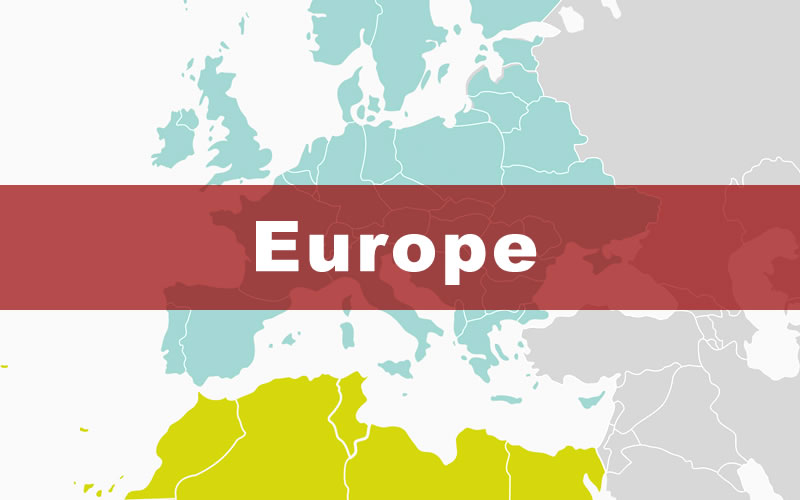
Browse property across established markets, historic cities and lifestyle destinations.
Explore Europe →
Discover residential and investment property opportunities across Middle Eastern markets.
Explore the Middle East →
Explore properties across Canada, the United States, Mexico and their varied markets.
Explore North America →
Find property opportunities across South American countries, cities and regions.
Explore South America →Looking to buy, rent or explore property in another location? Search listings from estate agents and private advertisers, discover new markets and contact the people advertising the properties that interest you.
Explore houses, apartments, villas, land and other properties advertised by agents and private sellers.
Find rental opportunities in different countries and locations, whether you are planning a move or looking for a place to stay.
Research countries, cities and regions to discover property opportunities and learn more about the markets that interest you.
Find properties listed by estate agents and private owners, then contact the advertiser directly to discuss a property.
Whether you are an estate agent marketing a portfolio of properties or a private owner selling or renting one property, IPD gives you a dedicated place to present your listing to a wider audience.
Advertise properties for sale or rent and give prospective buyers or tenants the information they need to learn more.
Promote your agency and property listings to people searching across locations and international markets.
Market your own property without having to appoint an estate agent to advertise it through IPD.
Use photographs, property descriptions, pricing and relevant details to help interested people understand your offering.
CONNECT WITH YOUR LOCAL MARKET
Promote properties to people searching in your town, city or region. Present your available listings to prospective buyers and tenants researching opportunities close to home.
REACH ACROSS YOUR COUNTRY
Give your listings visibility beyond your immediate area. Present properties to people exploring different cities, regions and property markets throughout your country.
YOUR NEXT CLIENT COULD BE OVERSEAS
International buyers research property markets across borders before deciding where to purchase or invest. Give your listings an opportunity to be discovered by an international audience exploring property in your market.
IPD connects property buyers, renters, estate agents and private advertisers. Property enquiries and transaction arrangements are handled directly between the parties involved.
|