
Fukuoka Property: Property Market, Investment and Buying
Fukuoka has developed into one of Japan's most significant regional property markets and an increasingly important destination for international business, investment and tourism. Located on Kyushu's northern coast, the city combines a large urban population with strong transport connections, a major airport, universities, technology businesses and a growing concentration of redevelopment activity.
For overseas buyers, Fukuoka offers a different property environment from Tokyo and Osaka. The city is large enough to provide established residential and commercial markets, but its scale and urban structure remain relatively compact. Property demand is influenced by local employment, population growth, business formation, universities, transport and tourism, while major projects in Tenjin and Hakata are reshaping parts of the central city.
Fukuoka should nevertheless be researched at neighbourhood level. Prices, rental demand, development prospects and property types vary between the central wards, established residential districts, areas around major railway stations and locations farther from the city centre.
Fukuoka Property Market
Fukuoka is the principal commercial and administrative centre of Kyushu and acts as a gateway between Japan and other parts of East Asia. Its property market is supported by a combination of business activity, education, population growth, tourism and infrastructure.
The city has also been notable for population growth. Fukuoka City data based on Japan's Basic Resident Register shows that the city recorded the largest population increase among Japanese municipalities between January 2020 and January 2025, with an increase of 53,911 people. Japanese residents accounted for 41,962 of that increase.
Population growth does not automatically translate into rising property values across the entire city, but it provides an important demand indicator when considered alongside housing supply, employment and development activity.

|
PHILIPPINES |
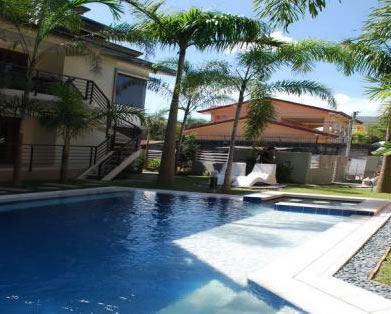
Property Type: Condo
Luxurious apartments, Philippines, this luxury development comprises of 12 units, all finished and ready to move in.
Property Terms: For Sale


|
Let your friends and colleagues know about this property.
|


Fukuoka Property Prices
Land values in Fukuoka have been rising as part of the broader strengthening of Japanese urban property markets. The 2026 national prefectural land survey recorded continued increases across Japan, although the rate of change varied between regions and uses. Among the four major regional cities identified by the Ministry of Land, Infrastructure, Transport and Tourism, including Fukuoka, land prices continued to rise but the rate of increase moderated.
For an investor, city-wide averages are only a starting point. The value of a property in central Fukuoka can be substantially different from a property in an outer residential area, while land close to a major station or redevelopment zone can have very different characteristics from comparable land farther away.
Japan's official Real Estate Information Library provides individual land-price information and can be used alongside transaction data, zoning, population and other geographic information when researching specific locations.
Central Fukuoka Property
The central city contains some of Fukuoka's most active property markets. Tenjin is the major commercial and business district, while Hakata is an important transport and business centre built around Hakata Station.
Central locations benefit from employment, retail, restaurants, hotels, universities and public transport. For residential investors, proximity to railway and subway stations can be particularly important because the city has a strong urban transport network and a large population living in apartments.
Central property can also be more closely connected to redevelopment activity. Older buildings may offer redevelopment potential, while newer projects can command higher prices because of their location, construction standards and proximity to employment and services.
Tenjin Property and Redevelopment
Tenjin is at the centre of one of Fukuoka's most significant urban redevelopment programmes. The Tenjin Big Bang initiative combines redevelopment of older buildings with measures that have allowed greater building heights and floor-area ratios in appropriate locations.
The objective is to create more modern and resilient commercial space while strengthening Tenjin's position as a business and urban centre. The programme therefore matters to property research beyond the individual development sites because new offices, hotels, retail and mixed-use buildings can alter the surrounding commercial environment.
For investors, redevelopment creates both opportunities and questions. New construction can increase the attractiveness of an area, but it can also introduce additional supply, higher land values and competition for older properties.
Hakata Property Market
Hakata provides a second major focus for Fukuoka property research. Hakata Station is the city's principal railway hub and connects Fukuoka with the wider Kyushu region and Japan's high-speed rail network.
The area has developed as a major business, transport and commercial centre, with offices, hotels, retail, residential buildings and development projects clustered around the station and surrounding districts.
Hakata's property market therefore has a particularly strong relationship with transport accessibility. For residential and commercial property, proximity to the station and the surrounding employment and retail areas can influence both demand and investment value.
Fukuoka Residential Property
Apartments form an important part of Fukuoka's residential market. The city's population, universities, employment centres and relatively compact urban structure create substantial demand for apartments close to transport and services.
Residential property research should distinguish between owner-occupied housing and investment property. A family apartment may be selected for schools, space and neighbourhood amenities, while an investment apartment may depend more heavily on tenant demand, transport access, building management and achievable rent.
Older apartment buildings can offer lower entry prices but may require greater attention to maintenance, seismic standards, management arrangements and future repair costs. Newer properties generally involve a higher initial price but may provide different maintenance and tenant-demand characteristics.
Fukuoka Rental Property
Fukuoka's rental market is supported by employment, universities, students, young professionals and households attracted to the city's combination of urban facilities and relatively compact geography.
Rental demand varies by location and property type. Apartments near stations and employment centres can serve a different tenant market from larger family homes in suburban districts, while properties aimed at students can have highly seasonal demand.
Investors should compare achievable rents with actual purchase prices and then account for management fees, repairs, taxes, insurance, vacancy and other ownership costs. A headline rental yield based only on advertised rent can give an incomplete picture of the investment.
Fukuoka Property Investment
Fukuoka provides several possible approaches to property investment. Residential apartments can provide exposure to the city's growing urban population, while offices, retail, hotels and mixed-use buildings provide access to commercial demand.
Development and redevelopment provide another investment category. The continuing transformation of Tenjin and Hakata means that land, older buildings and development sites need to be considered in relation to planning policy and future supply.
For overseas investors, Fukuoka can also form part of a wider Japanese property strategy. The city can be compared with Tokyo, Osaka, Kyoto and other regional markets according to purchase price, rental demand, population trends, tourism, liquidity and development activity.
Fukuoka Property Development
Development is an important part of the city's current property story. Tenjin Big Bang is encouraging the rebuilding of older commercial properties, while Hakata and other central areas continue to experience investment in offices, hotels, residential projects and mixed-use developments.
Fukuoka's position as a business and transport centre also supports demand for new commercial space. The city government describes Tenjin Big Bang and Hakata Connected as major urban development initiatives intended to strengthen Fukuoka's business environment.
Development land should nevertheless be assessed on its own characteristics. Zoning, permitted use, floor-area ratio, building height, road access, infrastructure, site area and construction costs can all determine whether a project is economically viable.
Fukuoka Property and Transport
Transport is one of the strongest structural features of Fukuoka's property market. Hakata Station provides national rail connections, while Fukuoka Airport provides domestic and international air links. The city's subway and other public transport services connect residential districts with the central business areas.
Fukuoka Airport handled more than 26 million passengers in 2024 according to data published by Fukuoka City from the Ministry of Land, Infrastructure, Transport and Tourism's airport statistics. Its proximity to the urban centre is unusual among major international airports and is an important feature of the city's accessibility.
For property investors, transport accessibility should be examined at the individual property level. A location close to a station can have different rental and resale prospects from a property requiring a longer connection to the main urban centres.
Fukuoka Property and Tourism
Tourism contributes to demand for hotels, serviced accommodation, retail, restaurants and other visitor-related property. Fukuoka's position as a gateway to Kyushu and its connections with East Asia give it an international visitor market in addition to domestic tourism.
Tourism-related investment should nevertheless be separated from ordinary residential investment. A property suitable for long-term residential occupation does not automatically have the permissions required for short-term accommodation.
Japan's accommodation regulations and local rules can determine how a property may be operated. Investors considering hotels, guest accommodation or short-term rentals should therefore establish the permitted use and applicable local requirements before incorporating tourism income into an investment calculation.
Fukuoka Property for Overseas Buyers
Foreigners can generally purchase property in Japan, including residential and commercial real estate in Fukuoka. Japanese property ownership does not normally require the buyer to be a Japanese citizen or resident.
For a buyer located overseas, the practical process involves identifying a property, reviewing title and building information, checking permitted use, arranging the contract and payment, completing registration and managing the property after acquisition.
Non-resident buyers also need to consider Japan's foreign-exchange reporting rules. The Ministry of Finance requires non-residents acquiring Japanese real property to submit a report through the Bank of Japan within the applicable period, subject to specified exemptions. The rules were amended in April 2026, making current advice important when planning a purchase.
Japan Foreign Property Ownership
Buying Property in Fukuoka
The buying process in Fukuoka follows the general Japanese property transaction framework, but the local market requires location-specific research. An overseas buyer should establish the intended purpose of the property before comparing individual listings.
For residential property, this means investigating neighbourhood demand, transport, building age, comparable transactions and rental potential. For commercial property, tenant demand, leases, operating income and refurbishment requirements become more important. For land, zoning and development potential are central.
Property inspections and legal checks should be completed before the buyer becomes committed to the transaction. This is particularly important for older buildings, where renovation, structural condition and compliance can have a significant effect on the total investment cost.
Fukuoka Property Taxes and Costs
Buying property in Fukuoka involves costs beyond the agreed purchase price. Registration and licence tax, real estate acquisition tax, stamp duty, professional fees and other transaction expenses need to be considered when calculating the total acquisition cost.
Owners may also be liable for fixed asset tax and city planning tax where applicable. Investment properties create additional considerations involving rental income, management costs, repairs and taxation of eventual disposal.
For an overseas buyer, the tax position should be established before the purchase rather than treated as an adjustment after the property has been selected. The ownership structure and intended use can affect the overall cost of holding the property.
Fukuoka Neighbourhoods and Property Research
Fukuoka is divided into seven wards, each containing a mixture of central commercial districts, established residential neighbourhoods, university areas, waterfront locations and suburban communities. The most suitable location depends on the purpose of the property.
Chuo Ward includes Tenjin and other central districts, while Hakata Ward contains Hakata Station and a large concentration of transport, business and commercial activity. Other wards provide different combinations of residential space, universities, employment and access to the city centre.
For international buyers, researching the ward is only the beginning. Station distance, local amenities, building age, surrounding land uses and comparable transactions can all influence the individual property.
Fukuoka Property Market Data
Fukuoka property research benefits from the availability of official Japanese data. The Ministry of Land, Infrastructure, Transport and Tourism's Real Estate Information Library provides land-price information that can be viewed geographically alongside planning, population and other datasets.
The 2026 prefectural land survey provides individual benchmark points as of July 1, 2026, while the wider Japanese property information system includes transaction-related data that can help researchers investigate actual market conditions.
Combining land values with population, transport, development and transaction information provides a more useful picture than relying on a city-wide average. This is particularly important in Fukuoka because redevelopment and infrastructure investment can produce substantial differences between individual districts.
Fukuoka Property Market Trends
Several long-term factors are shaping the Fukuoka property market: population growth, business formation, urban redevelopment, transport connectivity and international tourism. These factors support demand in parts of the city, although they do not affect every property equally.
The city's population growth is particularly relevant when compared with many other Japanese regional markets. At the same time, rising land and construction costs can make new development more expensive and can influence the price relationship between new and older properties.
Redevelopment is another major factor. As Tenjin and Hakata gain new offices, hotels, retail and mixed-use buildings, the surrounding property market can change through improved amenities, increased employment and additional competition from new supply.
Fukuoka Property: Investment and Lifestyle
Fukuoka can appeal to more than one type of international property buyer. Investors may be interested in residential rental property or commercial opportunities, while lifestyle buyers may be looking for a home in a major Japanese city with strong transport links and access to Kyushu.
The city's compact geography and airport connectivity can also make it practical for buyers who expect to spend time elsewhere in Japan or elsewhere in Asia. However, lifestyle suitability should not be confused with investment performance. A property that works well as a personal residence may have different rental and resale characteristics.
Researching Fukuoka Property from Overseas
International buyers should begin with the reason for buying and then work backwards through the market. Identify whether the objective is a home, rental investment, commercial investment, development or a combination of uses.
The next step is to compare Fukuoka's districts and property types using actual transaction information, land values, rental evidence, transport access and development activity. Once a suitable area has been identified, the individual property can be assessed for title, building condition, permitted use, taxes, management requirements and resale prospects.
This approach is particularly useful in Fukuoka because the city's property market is being influenced by several overlapping forces. Population growth, redevelopment, tourism and business expansion can create opportunities, but the effect depends on the exact location and property.
Fukuoka Property: From Research to Purchase
Fukuoka has developed into a substantial Japanese property market with a strong urban economy, growing population, major transport connections and significant redevelopment activity. Tenjin and Hakata provide the principal commercial focus, while residential markets extend across the wider city.
For investors, Fukuoka offers exposure to residential, rental, commercial and development property without requiring the same market assumptions used for Tokyo or Osaka. Its regional role, population trends and connection with East Asia provide a distinctive foundation for property research.
For overseas buyers, the most useful approach is to research Fukuoka at several levels: city, ward, neighbourhood, property type and individual asset. Comparing market data with transport, population, development and rental evidence provides a stronger basis for evaluating Fukuoka property than relying on price or location alone.
Asia Pacific Property Market Snapshot
| Population | More than 4 billion people live across the broader Asia Pacific region, encompassing East Asia, Southeast Asia, South Asia, Australia, New Zealand and the Pacific island states. The precise geographical definition of Asia Pacific varies between organisations and sources |
|---|---|
| Area | Asia Pacific covers an extensive area stretching from South Asia and the Indian Ocean through East and Southeast Asia to Australia, New Zealand and the Pacific islands. Because regional definitions differ, the total area varies considerably between sources |
| Major Airports | Major international gateways include Singapore Changi, Hong Kong International, Tokyo Haneda and Narita, Seoul Incheon, Bangkok Suvarnabhumi, Kuala Lumpur International, Sydney, Melbourne, Auckland, Beijing Capital and Daxing, Shanghai Pudong, Delhi, Mumbai, Jakarta, Manila, Brisbane, Perth and major airports serving other regional centres |
| Currencies | Asia Pacific uses a wide range of national currencies. Major currencies include the Chinese yuan, Japanese yen, South Korean won, Singapore dollar, Australian dollar, New Zealand dollar, Indian rupee, Indonesian rupiah, Thai baht, Malaysian ringgit, Philippine peso and Vietnamese dong. Currency conditions, exchange-rate arrangements and restrictions on moving funds vary substantially between countries |
| Foreign Ownership | Foreign property ownership varies substantially across Asia Pacific and can differ according to nationality, property type, location, residency status and the structure of the purchase. Some markets provide relatively open access to residential or investment property, while others restrict foreign ownership of land or impose limits on apartments, houses, development land or agricultural property. International buyers should obtain independent local legal advice before purchasing |
| Major Property Markets | Major international property markets include Australia, Japan, Singapore, Hong Kong, China, South Korea, India, Thailand, Malaysia, Indonesia, Vietnam, the Philippines and New Zealand. Sydney, Melbourne, Brisbane, Tokyo, Osaka, Singapore, Hong Kong, Seoul, Bangkok, Kuala Lumpur, Jakarta, Bali, Manila, Ho Chi Minh City, Hanoi, Mumbai and Delhi are among the region's significant urban and investment markets |
| Main Overseas Buyers | International demand comes from a diverse mix of investors, expatriates, entrepreneurs, high-net-worth individuals, retirees, second-home buyers, lifestyle purchasers and people seeking residential property connected with employment, education or relocation. Important sources of overseas demand include neighbouring Asian countries, the Middle East, Europe, North America and Australia and New Zealand, together with substantial intra-regional investment |
| Tourism | Tourism is an important driver of property demand across much of Asia Pacific. Major tourism markets include Thailand, Indonesia, Japan, Australia, New Zealand, Vietnam, Malaysia, the Philippines and the Pacific islands. Beach resorts, tropical islands, cultural destinations, ski areas, major cities, cruise facilities and luxury hospitality developments support demand for hotels, serviced residences, vacation homes, branded residences and short-term rental property |
| Main Luxury Markets | Luxury property markets include Singapore, Hong Kong, Tokyo, Osaka, Sydney, Melbourne, Auckland, Seoul, Bangkok, Phuket, Bali, Jakarta, Kuala Lumpur, Mumbai and selected resort and island destinations across Thailand, Indonesia, Australia, New Zealand and the Pacific. Prime districts, waterfront locations, resort communities, branded residences and high-end new developments form important segments of the regional luxury market |
| Residency Routes | A number of Asia Pacific countries offer residence or migration routes connected with investment, employment, entrepreneurship, retirement, family circumstances or other qualifying criteria. Property ownership may support relocation or investment objectives in some markets, but buying property does not automatically provide residency. Eligibility, investment thresholds and programme conditions vary by country and can change over time |
| Property Taxes | Property taxes, stamp duty, transfer taxes, registration charges, land taxes, municipal charges, rental taxation, capital gains treatment and taxes affecting foreign buyers vary considerably across Asia Pacific. Some markets apply additional transaction taxes or surcharges to foreign purchasers, while others have different rules depending on property type and residency status. Buyers should assess acquisition, ownership, rental and disposal costs before purchasing |
| Investment Opportunities | Asia Pacific offers opportunities across apartments, houses, villas, luxury residences, beachfront property, resort developments, commercial real estate, hospitality, development land, new-build and off-plan projects. Major investment themes include established city markets in Australia, Japan, Singapore and South Korea; rapidly developing markets in Southeast Asia; major Indian cities; tourism destinations such as Thailand, Bali and the Pacific islands; and residential and lifestyle markets across Australia and New Zealand. Pricing, rental demand, infrastructure, taxation, regulation and foreign-buyer access vary considerably between countries and individual locations |
Major Asia Pacific Countries That Appeal to International Investors and Buyers:
Southeast Asia
 Cambodia Properties
Growing urban and coastal markets attracting international buyers and investors.  Indonesia Properties
Bali, Jakarta and other destinations offer apartments, villas and tourism-linked property opportunities.  Malaysia Properties
Kuala Lumpur, Penang and other established markets attract international buyers and investors.  Philippines Properties
Manila, Cebu and resort destinations offer apartments, condos and lifestyle property.  Singapore Properties
A major international real estate centre with prime residential and investment markets.  Thailand Properties
Bangkok, Phuket, Pattaya and other destinations attract substantial international property interest.  Vietnam Properties
Major cities and coastal destinations offer growing opportunities for overseas buyers. East Asia
 China Properties
Major metropolitan and coastal property markets with significant international connections.  Japan Properties
Tokyo, Osaka, Kyoto and resort markets attract international residential investors.  South Korea Properties
Seoul, Busan and other major markets offer urban and lifestyle property opportunities.  Taiwan Properties
Taipei and other established markets offer apartments and residential investment opportunities. South Asia
 India Properties
Mumbai, Delhi, Goa and other major markets attract overseas buyers and investors.  Maldives Properties
Luxury resorts, islands and beachfront property create a distinctive international market.  Sri Lanka Properties
Coastal, resort and city properties attract overseas buyers seeking lifestyle opportunities. Oceania & Pacific
 Australia Properties
Sydney, Melbourne, Brisbane and major coastal markets have a long-established international profile.  Fiji Properties
Beachfront and resort property provide a focused international lifestyle market.  New Zealand Properties
Auckland, Wellington and lifestyle markets attract overseas buyers within regulated ownership rules. Territories
 Hong Kong Properties
International property market and financial centre with a highly developed urban real estate sector. Territory.  Macau Properties
Highly developed urban and resort property market with strong international connections. Territory. |
|

