
Buying Property in Japan: A Guide for Overseas Buyers
Buying property in Japan can be approached by an overseas buyer in much the same way as any major international property purchase: identify the market, research the property, establish what is actually being acquired, check the legal and physical condition, understand the costs and complete the transaction correctly. The important difference is that an overseas purchaser may be dealing with Japanese property documents, local registration procedures, Japanese-language contracts and obligations that continue after completion.
Japan also offers a wide range of property markets. An apartment in Tokyo, a house in Kyoto, a ski property in Hokkaido, a resort property in Okinawa and rural land can represent very different purchases. Buyers should therefore research the location and property type before treating Japan as one uniform market. The Japan property markets guide provides the broader market context.
Can Foreigners Buy Property in Japan?
Foreign nationals can generally purchase real estate in Japan, including land and buildings, without Japanese citizenship. A buyer does not have to become a resident of Japan simply because they purchase property there.
However, ownership and immigration are separate matters. Buying a house or apartment does not itself provide a Japanese residence status or the right to live in Japan indefinitely. An overseas purchaser therefore needs to consider the property transaction separately from any intended visa or residency arrangements.
The buyer's residency status can also affect administrative requirements. In particular, non-residents acquiring Japanese real property can be subject to reporting requirements under Japan's Foreign Exchange and Foreign Trade Act.
Start With the Property, Not the Purchase Price
The first stage of buying property in Japan should be property research rather than negotiation. An attractive asking price does not establish whether the property is suitable for the buyer's intended purpose.
Research should establish the property's exact location, land and building configuration, age, construction type, floor area, access, permitted use, management arrangements and surrounding environment. For land, the question of what can legally be built or operated on the site can be more important than the size of the parcel.
For apartments, buyers should investigate the individual unit together with the building's management arrangements. Management fees, reserve funds, planned repairs, building rules and restrictions on use can affect the cost and usefulness of the property.

|
PHILIPPINES |
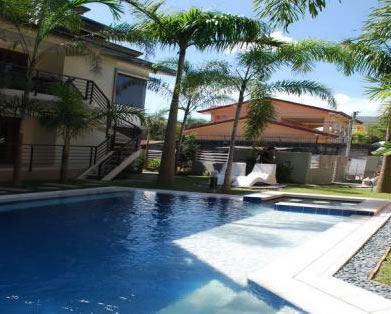
Property Type: Condo
Luxurious apartments, Philippines, this luxury development comprises of 12 units, all finished and ready to move in.
Property Terms: For Sale


|
Let your friends and colleagues know about this property.
|


Choose the Right Japanese Property Market
Japan's geography creates substantial differences between its property markets. Tokyo and the surrounding metropolitan area provide a very different environment from Osaka, Kyoto or regional cities, while resort markets such as Hokkaido and Okinawa have additional tourism and second-home considerations.
An international buyer should therefore decide whether the objective is a permanent or occasional home, a rental property, a commercial investment, a development opportunity or another use before comparing properties. Location should then be assessed against that objective.
Infrastructure, transport, employment, tourism, population trends, local services and future development can all influence the usefulness and resale prospects of a property. These factors are more informative than simply comparing headline prices between Japanese cities.
Research the Land and Building
Japanese property purchases can involve different combinations of land and building rights. A detached house may involve ownership of both the building and underlying land, while a condominium involves ownership of the individual unit together with rights and obligations relating to common areas and the land beneath the building.
Buyers should establish exactly what the sales contract covers and confirm the registered ownership and property description. The Japanese real property registration system records information concerning property and rights, making registration records an important part of the due-diligence process.
For an overseas buyer, this is one reason professional assistance can be particularly valuable. Japan's judicial scriveners handle property-registration procedures and can represent clients in connection with registration applications.
Check the Property Registry
Before completing a purchase, the buyer should establish who owns the property and what registered rights or encumbrances exist. Registry information can help confirm the land and building description and the rights recorded against them.
Japan's Ministry of Justice provides procedures for obtaining real property registration certificates, maps and related plans. These records form part of the documentary evidence that should be examined during due diligence.
Foreign buyers living outside Japan may also have additional documentation requirements when becoming the registered owner. Since April 2024, Japan has specific rules concerning address-certification documents for foreign individuals and foreign corporations resident outside Japan. Foreign-language documents may require Japanese translations.
Inspect the Building and Its Condition
Legal ownership is only one part of buying Japanese property. The physical condition of the building should be investigated before the purchaser becomes committed to the transaction.
For an older house, this may include the structure, roof, foundations, plumbing, electrical systems, insulation, access and previous renovation work. Traditional houses can have considerable character but may also require specialist maintenance or renovation.
For condominiums, the buyer should investigate the building as well as the apartment. The condition of common areas, repair history, reserve funds and future major works can affect future ownership costs.
Older or vacant properties can sometimes appear inexpensive compared with newer accommodation. The relevant comparison is therefore the total cost of acquiring, repairing, maintaining and operating the property rather than the initial purchase price alone.
Understand the Purchase Contract
Once a suitable property has been identified, the buyer normally moves from property research into formal negotiation and contractual arrangements. The precise process can vary according to the property and the professionals involved, so an overseas purchaser should ensure that they understand each document before signing.
The contract should make clear what property is being transferred, the agreed purchase price, payment arrangements, completion conditions, any included fixtures or equipment and the responsibilities of the parties. Conditions concerning inspections, defects or other matters should be understood before the contract becomes binding.
Language is an important practical consideration. A buyer who cannot comfortably understand Japanese legal and property terminology should arrange appropriate translation and professional advice rather than relying on an informal summary of the documents.
Property Registration After Purchase
Completion of the transaction and registration of ownership are important parts of the Japanese buying process. Japan's real property registration system publicly records the condition of property and the rights associated with it.
Judicial scriveners commonly assist with the registration procedure. For an overseas buyer, using a professional familiar with transactions involving non-residents can help coordinate the documentation, identification and registration requirements.
The buyer should retain the completed transaction documents and registration records because they may be needed later for taxation, financing, property management or resale.
Reporting When a Non-Resident Buys Property
Buying Japanese property from overseas can involve a separate reporting obligation. The Ministry of Finance states that a non-resident acquiring real property in Japan or certain rights relating to real property may have to submit a report under the Foreign Exchange and Foreign Trade Act.
The current rules include changes that took effect on April 1, 2026, together with specified exemptions depending on the purpose and circumstances of the acquisition. Where the reporting requirement applies, the report is submitted through the Bank of Japan to the Minister of Finance, generally within 20 days of the acquisition.
This is an administrative reporting requirement rather than a general restriction on foreign ownership. Because the rules depend on the buyer's circumstances and the purpose of the property, overseas purchasers should check the current requirements at the time of purchase rather than relying on older property guides.
Research the Actual Purchase Price
Japanese asking prices should be compared with evidence from completed transactions where possible. The Ministry of Land, Infrastructure, Transport and Tourism operates a Real Estate Information Library containing transaction-price information alongside land-price, planning, disaster and other property-related information.
The transaction information is collected and processed so that individual properties cannot readily be identified, and the data is published on a quarterly basis. It can therefore provide useful evidence when assessing whether an asking price is broadly consistent with transactions in the surrounding market.
Transaction evidence should still be interpreted property by property. Location, land area, building condition, access, floor area and other individual characteristics can produce substantial differences between apparently comparable properties.
Calculate the Full Cost of Buying Property in Japan
The purchase price is only one component of the cost of acquiring Japanese real estate. Buyers should establish the applicable transaction taxes, registration-related costs, professional fees, brokerage costs, financing costs and other acquisition expenses before agreeing to a purchase.
There are also continuing costs after completion. These can include property-related taxes, condominium management charges, reserve contributions, insurance, utilities, maintenance and property management where the owner lives overseas.
For an investment property, the calculation should go further. Rental income needs to be considered alongside vacancy, management, maintenance, taxation, financing and eventual disposal costs. This is why the Japan property investment market should be researched separately from the basic buying process.
Buying Property in Japan From Overseas
An overseas buyer does not necessarily need to become a Japanese resident before purchasing property. However, buying remotely creates practical questions that a domestic buyer may not face.
These include identifying a trustworthy local representative, arranging property inspections, signing documents, transferring funds, completing registration, managing the property after completion and dealing with maintenance when the owner is abroad.
The buyer should decide before completion who will deal with the property when they are not in Japan. For a second home this may involve a local management arrangement. For a rental property, professional management may be necessary depending on the location and the owner's ability to respond to tenants and maintenance issues.
Buying a Japanese Property for Rental Use
A property intended for rental should be researched differently from a personal residence. The buyer needs evidence of local tenant demand, achievable rents, competing supply, operating expenses and the condition of the building.
Short-term accommodation introduces another layer of regulation and should never be assumed to be permitted simply because a property is suitable for visitors. Local rules, building regulations and the applicable accommodation framework need to be checked before buying specifically for this purpose.
The same principle applies to condominiums. Building management rules may restrict particular uses, so the purchaser should obtain and review the relevant documentation before assuming that an intended rental strategy is available.
Buying Land for Development
Land can look attractive to an international buyer because the purchase appears to offer greater flexibility than an existing building. In practice, development land requires additional research.
Zoning, permitted uses, road access, utilities, planning controls, agricultural or forestry classifications, environmental considerations and local development requirements can all affect what can be done with land. A large parcel may also fall within statutory land-transaction reporting requirements.
For a development purchase, the question should therefore be “what can be developed here?” rather than simply “how much land is available?”
Foreign Buyers and the Japanese Property Market
Foreign ownership is only one part of the Japanese property market. Recent Japanese government research into condominium transactions has examined acquisitions by people whose registered address is outside Japan, as well as other characteristics of new and existing condominium transactions.
The research illustrates why broad assumptions about “foreign buyers” can be misleading. Foreign purchasers include people buying homes, second homes and investment properties, while non-resident purchasers represent only one part of the wider group. Property type and location also matter when interpreting market data.
For an overseas buyer, the useful question is therefore not simply how much foreign demand exists, but how the particular market being considered works and whether the property fits the intended purpose.
A Practical Research Sequence for Buying in Japan
A sensible international buying process begins with the market and location, followed by the property type and intended use. The next stage is detailed property research, including ownership, registry information, physical condition, permitted use and management arrangements.
Only after those questions have been answered should the buyer move into price negotiation and contract discussions. The financial calculation should include acquisition and ongoing costs, while overseas purchasers should separately establish the applicable registration and reporting requirements.
Professional advice should then be obtained for the legal, registration and tax aspects of the specific transaction. This is particularly important where the purchase involves development land, a company structure, financing, rental activity or an overseas owner who will not be present in Japan.
Buying Property in Japan: Research Before Commitment
Japan provides a broad range of property opportunities for international buyers, but the safest way to approach the market is to research the individual property rather than relying on general assumptions about foreign ownership.
The purchase should establish what is being bought, what rights accompany it, what restrictions apply, what the property has recently traded for, what it will cost to own and how it will be managed after completion. For a buyer living overseas, the administrative and reporting requirements should be confirmed before the transaction is completed.
Japan's property market is therefore best approached as a research-to-purchase process: understand the market, compare locations and property types, investigate the individual property, verify the transaction, calculate the complete cost and then proceed with appropriate professional support.
Asia Pacific Property Market Snapshot
| Population | More than 4 billion people live across the broader Asia Pacific region, encompassing East Asia, Southeast Asia, South Asia, Australia, New Zealand and the Pacific island states. The precise geographical definition of Asia Pacific varies between organisations and sources |
|---|---|
| Area | Asia Pacific covers an extensive area stretching from South Asia and the Indian Ocean through East and Southeast Asia to Australia, New Zealand and the Pacific islands. Because regional definitions differ, the total area varies considerably between sources |
| Major Airports | Major international gateways include Singapore Changi, Hong Kong International, Tokyo Haneda and Narita, Seoul Incheon, Bangkok Suvarnabhumi, Kuala Lumpur International, Sydney, Melbourne, Auckland, Beijing Capital and Daxing, Shanghai Pudong, Delhi, Mumbai, Jakarta, Manila, Brisbane, Perth and major airports serving other regional centres |
| Currencies | Asia Pacific uses a wide range of national currencies. Major currencies include the Chinese yuan, Japanese yen, South Korean won, Singapore dollar, Australian dollar, New Zealand dollar, Indian rupee, Indonesian rupiah, Thai baht, Malaysian ringgit, Philippine peso and Vietnamese dong. Currency conditions, exchange-rate arrangements and restrictions on moving funds vary substantially between countries |
| Foreign Ownership | Foreign property ownership varies substantially across Asia Pacific and can differ according to nationality, property type, location, residency status and the structure of the purchase. Some markets provide relatively open access to residential or investment property, while others restrict foreign ownership of land or impose limits on apartments, houses, development land or agricultural property. International buyers should obtain independent local legal advice before purchasing |
| Major Property Markets | Major international property markets include Australia, Japan, Singapore, Hong Kong, China, South Korea, India, Thailand, Malaysia, Indonesia, Vietnam, the Philippines and New Zealand. Sydney, Melbourne, Brisbane, Tokyo, Osaka, Singapore, Hong Kong, Seoul, Bangkok, Kuala Lumpur, Jakarta, Bali, Manila, Ho Chi Minh City, Hanoi, Mumbai and Delhi are among the region's significant urban and investment markets |
| Main Overseas Buyers | International demand comes from a diverse mix of investors, expatriates, entrepreneurs, high-net-worth individuals, retirees, second-home buyers, lifestyle purchasers and people seeking residential property connected with employment, education or relocation. Important sources of overseas demand include neighbouring Asian countries, the Middle East, Europe, North America and Australia and New Zealand, together with substantial intra-regional investment |
| Tourism | Tourism is an important driver of property demand across much of Asia Pacific. Major tourism markets include Thailand, Indonesia, Japan, Australia, New Zealand, Vietnam, Malaysia, the Philippines and the Pacific islands. Beach resorts, tropical islands, cultural destinations, ski areas, major cities, cruise facilities and luxury hospitality developments support demand for hotels, serviced residences, vacation homes, branded residences and short-term rental property |
| Main Luxury Markets | Luxury property markets include Singapore, Hong Kong, Tokyo, Osaka, Sydney, Melbourne, Auckland, Seoul, Bangkok, Phuket, Bali, Jakarta, Kuala Lumpur, Mumbai and selected resort and island destinations across Thailand, Indonesia, Australia, New Zealand and the Pacific. Prime districts, waterfront locations, resort communities, branded residences and high-end new developments form important segments of the regional luxury market |
| Residency Routes | A number of Asia Pacific countries offer residence or migration routes connected with investment, employment, entrepreneurship, retirement, family circumstances or other qualifying criteria. Property ownership may support relocation or investment objectives in some markets, but buying property does not automatically provide residency. Eligibility, investment thresholds and programme conditions vary by country and can change over time |
| Property Taxes | Property taxes, stamp duty, transfer taxes, registration charges, land taxes, municipal charges, rental taxation, capital gains treatment and taxes affecting foreign buyers vary considerably across Asia Pacific. Some markets apply additional transaction taxes or surcharges to foreign purchasers, while others have different rules depending on property type and residency status. Buyers should assess acquisition, ownership, rental and disposal costs before purchasing |
| Investment Opportunities | Asia Pacific offers opportunities across apartments, houses, villas, luxury residences, beachfront property, resort developments, commercial real estate, hospitality, development land, new-build and off-plan projects. Major investment themes include established city markets in Australia, Japan, Singapore and South Korea; rapidly developing markets in Southeast Asia; major Indian cities; tourism destinations such as Thailand, Bali and the Pacific islands; and residential and lifestyle markets across Australia and New Zealand. Pricing, rental demand, infrastructure, taxation, regulation and foreign-buyer access vary considerably between countries and individual locations |
Major Asia Pacific Countries That Appeal to International Investors and Buyers:
Southeast Asia
 Cambodia Properties
Growing urban and coastal markets attracting international buyers and investors.  Indonesia Properties
Bali, Jakarta and other destinations offer apartments, villas and tourism-linked property opportunities.  Malaysia Properties
Kuala Lumpur, Penang and other established markets attract international buyers and investors.  Philippines Properties
Manila, Cebu and resort destinations offer apartments, condos and lifestyle property.  Singapore Properties
A major international real estate centre with prime residential and investment markets.  Thailand Properties
Bangkok, Phuket, Pattaya and other destinations attract substantial international property interest.  Vietnam Properties
Major cities and coastal destinations offer growing opportunities for overseas buyers. East Asia
 China Properties
Major metropolitan and coastal property markets with significant international connections.  Japan Properties
Tokyo, Osaka, Kyoto and resort markets attract international residential investors.  South Korea Properties
Seoul, Busan and other major markets offer urban and lifestyle property opportunities.  Taiwan Properties
Taipei and other established markets offer apartments and residential investment opportunities. South Asia
 India Properties
Mumbai, Delhi, Goa and other major markets attract overseas buyers and investors.  Maldives Properties
Luxury resorts, islands and beachfront property create a distinctive international market.  Sri Lanka Properties
Coastal, resort and city properties attract overseas buyers seeking lifestyle opportunities. Oceania & Pacific
 Australia Properties
Sydney, Melbourne, Brisbane and major coastal markets have a long-established international profile.  Fiji Properties
Beachfront and resort property provide a focused international lifestyle market.  New Zealand Properties
Auckland, Wellington and lifestyle markets attract overseas buyers within regulated ownership rules. Territories
 Hong Kong Properties
International property market and financial centre with a highly developed urban real estate sector. Territory.  Macau Properties
Highly developed urban and resort property market with strong international connections. Territory. |
|

