
Japan Cities Property Markets: Tokyo, Osaka, Kyoto, Fukuoka and More
Japan's property market is not a single market. For international buyers, the differences between Tokyo, Osaka, Kyoto, Fukuoka and other Japanese cities can be substantial, reflecting population, employment, tourism, transport, land availability, development patterns and the types of property being offered.
This Japan cities property guide provides a starting point for researching individual urban markets. It is designed for overseas buyers, investors and sellers who want to understand how location changes the property opportunity before looking at individual properties.
Japan City Property Markets
Japan's major cities perform different economic and property roles. Tokyo is the country's dominant global business centre and has an exceptionally broad range of residential, commercial and investment property. Osaka is a major commercial city with a large metropolitan population and an important tourism and redevelopment market. Kyoto has a distinctive property environment shaped by historic buildings, tourism and restrictions affecting parts of the urban landscape. Fukuoka has developed a strong regional role as the principal urban centre of Kyushu and a gateway to other parts of Asia.
These differences matter when comparing property. A city with strong tourism may offer opportunities connected with short-term accommodation or visitor demand, while another may be driven more strongly by employment, universities, manufacturing, technology or long-term residential demand.
Japan's national land survey also shows why location needs to be considered carefully. In 2026, average land prices increased nationally across residential, commercial and industrial categories, but the strength of the market varied considerably between metropolitan and regional areas. Tokyo, Osaka and Nagoya metropolitan markets recorded different rates of change, while regional cities followed their own local patterns.
Tokyo Property Market
Tokyo is the largest and most internationally recognised property market in Japan. For overseas buyers, its importance comes from the depth of the market rather than from a single property type or neighbourhood.
The metropolitan area contains established residential districts, high-rise condominiums, detached houses, investment apartments, commercial property and redevelopment sites. Central Tokyo has a very different property environment from outer residential districts and the wider metropolitan region.
International research into Tokyo property should therefore move beyond the city name and examine individual wards, transport connections, building age, land value, rental demand and the relationship between purchase price and expected income. Our Tokyo Property Market guide provides a more detailed city-level starting point.

|
PHILIPPINES |
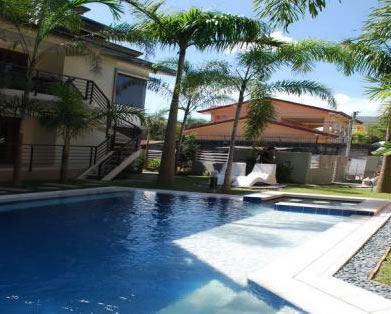
Property Type: Condo
Luxurious apartments, Philippines, this luxury development comprises of 12 units, all finished and ready to move in.
Property Terms: For Sale


|
Let your friends and colleagues know about this property.
|


Osaka Property Market
Osaka is one of Japan's principal metropolitan markets and has a property environment distinct from Tokyo. The city combines established residential districts with major commercial areas, tourism, transport infrastructure and continuing redevelopment.
Areas around central Osaka and major transport hubs can attract different forms of residential and investment demand. The wider metropolitan area also provides alternatives for buyers who are not looking specifically for a central-city property.
For overseas buyers, Osaka can be researched through several overlapping themes: residential property, rental demand, tourism, redevelopment, accessibility and the relationship between city-centre and suburban markets. Our Osaka Property Market guide examines these factors in more detail.
Kyoto Property Market
Kyoto has an unusually distinctive property market because its international profile is closely connected with history, culture and tourism. Property can range from conventional apartments and houses to traditional buildings and properties in areas where architectural character is an important part of the market.
Location is particularly important in Kyoto. The property environment around central historic districts can differ substantially from areas around Kyoto Station, southern Kyoto and neighbourhoods further from the principal tourist concentrations.
International buyers should also distinguish between owning a property in a highly visited city and being able to use that property for particular forms of accommodation. Tourism demand does not automatically mean that every residential property can be operated as short-term accommodation.
Our Kyoto Property Market guide provides a more detailed examination of the city's property structure, locations and market considerations.
Fukuoka Property Market
Fukuoka has become an increasingly important city for international property research because of its role as the principal urban centre of Kyushu, its transport connections and its proximity to other parts of East Asia.
The city has a relatively compact urban structure, with Hakata and Tenjin forming important centres for business, transport, shopping and city life. Fukuoka Airport is unusually close to the central city, while Hakata Station provides a major rail connection to other parts of Japan.
For property investors, Fukuoka needs to be considered as both a residential city and a regional business and tourism centre. Development, population movement, employment, transport infrastructure and rental demand can all influence individual locations.
Our Fukuoka Property guide looks at the city's property market, investment opportunities, locations and buying considerations.
City Centre and Suburban Property
Comparing Japanese cities only by average property price can be misleading. Within every major urban market there are differences between central business districts, established residential neighbourhoods, railway suburbs, redevelopment areas and locations further from the principal employment centres.
Transport is one of the most important factors when researching these differences. Japanese urban property markets are strongly influenced by railway networks, stations and commuting patterns. A property close to an important station can therefore have a very different market position from another property in the same municipality but with weaker transport access.
International buyers should also consider whether they are comparing a city with its surrounding metropolitan area. Tokyo, Osaka and other major urban centres extend beyond the administrative boundaries of the central municipality, while property demand can cross those boundaries every day.
Residential Property in Japanese Cities
Urban residential property includes condominiums, detached houses, older properties, newly built homes and land for redevelopment. The balance between these categories varies from one city to another.
Condominiums are particularly important in major urban markets because they provide access to central locations where detached housing and individual plots may be comparatively limited. Older houses and apartments can offer different purchase prices, but their age, condition, construction standards and future maintenance requirements need to be investigated carefully.
Land should be treated as a separate property category rather than simply another form of residential property. The value and potential use of a site can depend on zoning, road access, building restrictions, planning conditions and the characteristics of the surrounding neighbourhood.
Our Japan Property Types guide provides a broader introduction to the principal categories available to overseas buyers.
Japanese City Rental Markets
Rental demand is another important distinction between Japanese cities. Employment centres, universities, transport hubs, tourism and population movement can create different rental patterns within the same metropolitan area.
An overseas investor researching an apartment for rental should therefore look beyond the advertised rent. Vacancy, building age, management costs, maintenance, property taxes, financing, refurbishment requirements and the likely tenant market all affect the economics of ownership.
Short-term visitor accommodation is a separate consideration. Japan has national and local rules governing accommodation businesses, and individual municipalities can impose additional requirements or restrictions. Tourism statistics can indicate demand for accommodation, but they should not be treated as evidence that any particular residential property can legally be used for that purpose.
See our Japan Rental Market research for the wider rental picture.
Property Investment by City
Investment decisions in Japan can be based on very different objectives. Some buyers are interested in rental income, others in long-term ownership, redevelopment, a second home or exposure to a particular urban market.
Tokyo may appeal to buyers seeking a large and internationally recognised metropolitan market. Osaka offers a different combination of commercial activity, tourism and redevelopment. Kyoto has a more specialised market shaped by its cultural and visitor economy, while Fukuoka provides exposure to a major regional centre with strong connections across Kyushu and East Asia.
None of these characteristics removes the need to assess an individual property. The building, location, tenure, rental evidence, acquisition costs and ongoing expenses remain important regardless of the city selected for research.
Our Japan Property Investment guide examines the wider investment environment.
Japanese City Property Data
Reliable property research should combine city-level analysis with actual transaction evidence. Japan's Ministry of Land, Infrastructure, Transport and Tourism provides an extensive Real Estate Information Library containing transaction-price information, land-price information, planning information and other property data.
Transaction data should be interpreted carefully. Property prices can vary because of land area, building size, age, condition, road access, floor level, orientation and the circumstances of a particular transaction. A city-wide average therefore cannot tell an overseas buyer what a specific property is worth.
Our Japan Property Market Data research provides a broader framework for understanding Japanese property statistics and transaction information.
Buying Property in Japan
Once a city and location have been selected, the research process moves from market comparison towards the individual transaction. Overseas buyers should establish the ownership structure, property rights, building condition, land status, transaction costs, taxation and any applicable reporting requirements before committing funds.
The purchase process can also differ according to the property type. A condominium purchase involves management arrangements and the rights associated with the individual unit, while detached houses and land require closer examination of the site, building and access arrangements.
International buyers should obtain appropriate Japanese legal, tax and property advice where necessary, particularly when purchasing an unfamiliar property type or considering an investment structure.
See our Buying Property in Japan guide for the wider purchasing process.
Researching Japan by City
City research is most useful when it is combined with property type and transaction research. Instead of starting with a property listing and trying to understand the location afterwards, an overseas buyer can work through the market in stages: Japan, region, city, neighbourhood, property type, price evidence and transaction requirements.
This approach is particularly important in Japan because the country contains several very different urban property environments. Tokyo should not automatically be used as a proxy for Osaka, Kyoto or Fukuoka, and a national property statistic cannot describe every local market.
International Property Directory provides city, country and property research to help overseas buyers move from broad geographical research towards individual property decisions. Use the city guides below as starting points, then combine them with our Japan market, investment, property-type and buying research.
Japan Cities and Regional Markets
Japan's urban property landscape extends well beyond the four city markets currently covered in detail by IPD. Major centres such as Nagoya, Sapporo, Yokohama, Kobe and Hiroshima have their own economic structures, transport systems, housing markets and development patterns.
Regional cities can also provide a very different research proposition from Tokyo and Osaka. Population trends, local employment, tourism, industrial activity, universities, infrastructure and land availability can all influence the direction of a market. The right comparison is therefore not simply which city has the lowest or highest property price, but what creates property demand in each location and how that demand relates to the type of property being considered.
As the Japan city directory develops, individual city research can be used alongside the wider Japan Property Markets guide to build a more detailed geographical understanding of the country.
Asia Pacific Property Market Snapshot
| Population | More than 4 billion people live across the broader Asia Pacific region, encompassing East Asia, Southeast Asia, South Asia, Australia, New Zealand and the Pacific island states. The precise geographical definition of Asia Pacific varies between organisations and sources |
|---|---|
| Area | Asia Pacific covers an extensive area stretching from South Asia and the Indian Ocean through East and Southeast Asia to Australia, New Zealand and the Pacific islands. Because regional definitions differ, the total area varies considerably between sources |
| Major Airports | Major international gateways include Singapore Changi, Hong Kong International, Tokyo Haneda and Narita, Seoul Incheon, Bangkok Suvarnabhumi, Kuala Lumpur International, Sydney, Melbourne, Auckland, Beijing Capital and Daxing, Shanghai Pudong, Delhi, Mumbai, Jakarta, Manila, Brisbane, Perth and major airports serving other regional centres |
| Currencies | Asia Pacific uses a wide range of national currencies. Major currencies include the Chinese yuan, Japanese yen, South Korean won, Singapore dollar, Australian dollar, New Zealand dollar, Indian rupee, Indonesian rupiah, Thai baht, Malaysian ringgit, Philippine peso and Vietnamese dong. Currency conditions, exchange-rate arrangements and restrictions on moving funds vary substantially between countries |
| Foreign Ownership | Foreign property ownership varies substantially across Asia Pacific and can differ according to nationality, property type, location, residency status and the structure of the purchase. Some markets provide relatively open access to residential or investment property, while others restrict foreign ownership of land or impose limits on apartments, houses, development land or agricultural property. International buyers should obtain independent local legal advice before purchasing |
| Major Property Markets | Major international property markets include Australia, Japan, Singapore, Hong Kong, China, South Korea, India, Thailand, Malaysia, Indonesia, Vietnam, the Philippines and New Zealand. Sydney, Melbourne, Brisbane, Tokyo, Osaka, Singapore, Hong Kong, Seoul, Bangkok, Kuala Lumpur, Jakarta, Bali, Manila, Ho Chi Minh City, Hanoi, Mumbai and Delhi are among the region's significant urban and investment markets |
| Main Overseas Buyers | International demand comes from a diverse mix of investors, expatriates, entrepreneurs, high-net-worth individuals, retirees, second-home buyers, lifestyle purchasers and people seeking residential property connected with employment, education or relocation. Important sources of overseas demand include neighbouring Asian countries, the Middle East, Europe, North America and Australia and New Zealand, together with substantial intra-regional investment |
| Tourism | Tourism is an important driver of property demand across much of Asia Pacific. Major tourism markets include Thailand, Indonesia, Japan, Australia, New Zealand, Vietnam, Malaysia, the Philippines and the Pacific islands. Beach resorts, tropical islands, cultural destinations, ski areas, major cities, cruise facilities and luxury hospitality developments support demand for hotels, serviced residences, vacation homes, branded residences and short-term rental property |
| Main Luxury Markets | Luxury property markets include Singapore, Hong Kong, Tokyo, Osaka, Sydney, Melbourne, Auckland, Seoul, Bangkok, Phuket, Bali, Jakarta, Kuala Lumpur, Mumbai and selected resort and island destinations across Thailand, Indonesia, Australia, New Zealand and the Pacific. Prime districts, waterfront locations, resort communities, branded residences and high-end new developments form important segments of the regional luxury market |
| Residency Routes | A number of Asia Pacific countries offer residence or migration routes connected with investment, employment, entrepreneurship, retirement, family circumstances or other qualifying criteria. Property ownership may support relocation or investment objectives in some markets, but buying property does not automatically provide residency. Eligibility, investment thresholds and programme conditions vary by country and can change over time |
| Property Taxes | Property taxes, stamp duty, transfer taxes, registration charges, land taxes, municipal charges, rental taxation, capital gains treatment and taxes affecting foreign buyers vary considerably across Asia Pacific. Some markets apply additional transaction taxes or surcharges to foreign purchasers, while others have different rules depending on property type and residency status. Buyers should assess acquisition, ownership, rental and disposal costs before purchasing |
| Investment Opportunities | Asia Pacific offers opportunities across apartments, houses, villas, luxury residences, beachfront property, resort developments, commercial real estate, hospitality, development land, new-build and off-plan projects. Major investment themes include established city markets in Australia, Japan, Singapore and South Korea; rapidly developing markets in Southeast Asia; major Indian cities; tourism destinations such as Thailand, Bali and the Pacific islands; and residential and lifestyle markets across Australia and New Zealand. Pricing, rental demand, infrastructure, taxation, regulation and foreign-buyer access vary considerably between countries and individual locations |
Major Asia Pacific Countries That Appeal to International Investors and Buyers:
Southeast Asia
 Cambodia Properties
Growing urban and coastal markets attracting international buyers and investors.  Indonesia Properties
Bali, Jakarta and other destinations offer apartments, villas and tourism-linked property opportunities.  Malaysia Properties
Kuala Lumpur, Penang and other established markets attract international buyers and investors.  Philippines Properties
Manila, Cebu and resort destinations offer apartments, condos and lifestyle property.  Singapore Properties
A major international real estate centre with prime residential and investment markets.  Thailand Properties
Bangkok, Phuket, Pattaya and other destinations attract substantial international property interest.  Vietnam Properties
Major cities and coastal destinations offer growing opportunities for overseas buyers. East Asia
 China Properties
Major metropolitan and coastal property markets with significant international connections.  Japan Properties
Tokyo, Osaka, Kyoto and resort markets attract international residential investors.  South Korea Properties
Seoul, Busan and other major markets offer urban and lifestyle property opportunities.  Taiwan Properties
Taipei and other established markets offer apartments and residential investment opportunities. South Asia
 India Properties
Mumbai, Delhi, Goa and other major markets attract overseas buyers and investors.  Maldives Properties
Luxury resorts, islands and beachfront property create a distinctive international market.  Sri Lanka Properties
Coastal, resort and city properties attract overseas buyers seeking lifestyle opportunities. Oceania & Pacific
 Australia Properties
Sydney, Melbourne, Brisbane and major coastal markets have a long-established international profile.  Fiji Properties
Beachfront and resort property provide a focused international lifestyle market.  New Zealand Properties
Auckland, Wellington and lifestyle markets attract overseas buyers within regulated ownership rules. Territories
 Hong Kong Properties
International property market and financial centre with a highly developed urban real estate sector. Territory.  Macau Properties
Highly developed urban and resort property market with strong international connections. Territory. |
|

