
Japan Property Development: Land, Construction and Real Estate Projects
Property development in Japan ranges from the redevelopment of urban sites and construction of new apartments to hotels, commercial buildings, detached housing and projects in regional and resort markets. For an international developer or investor, the opportunity begins with the land and its permitted use, but the development process extends through planning, finance, construction, infrastructure, sales or operation and ultimately the long-term performance of the completed property.
Japan is not one development market. Tokyo, Osaka, Nagoya, Fukuoka, Sapporo, Kyoto, Okinawa and regional locations have different land markets, demand patterns, planning environments and development economics. An overseas developer therefore needs to understand the local market before evaluating a particular site.
Understanding Development Land in Japan
Development starts with establishing exactly what can be done with a parcel of land. Ownership of land does not automatically mean that every form of construction or commercial use is permitted.
Planning designation, zoning, permitted uses, building coverage ratio, floor-area ratio, road access and infrastructure can all affect the development potential of a site. The surrounding buildings and existing pattern of land use can also provide important evidence about how the location functions.
For an overseas developer, the first question should therefore be the development potential of the site rather than its price per square metre. A relatively inexpensive parcel may have limited development potential, while a more expensive urban site may support a substantially different project.
Land-Use Regulation and Development
Japan has a national framework for land-use planning together with planning controls administered at local level. The Ministry of Land, Infrastructure, Transport and Tourism describes the purpose of its land-use regulation system as promoting appropriate and rational use of land.
Development research should establish the planning designation of the site, permitted uses and applicable development controls before a project is designed around assumptions that may not be achievable.
Large land transactions can also be subject to notification requirements. Under Japan's National Land Use Planning Act, post-transaction notification generally applies to land transactions meeting specified area thresholds: 2,000 square metres or more in designated urbanisation areas, 5,000 square metres or more in other urban planning areas and 10,000 square metres or more outside urban planning areas.
These thresholds concern land transactions and should not be confused with planning permission for a development project. They are a separate part of the regulatory process.

|
PHILIPPINES |
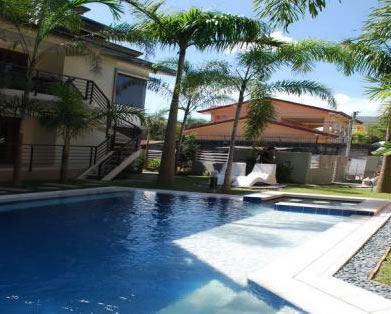
Property Type: Condo
Luxurious apartments, Philippines, this luxury development comprises of 12 units, all finished and ready to move in.
Property Terms: For Sale


|
Let your friends and colleagues know about this property.
|


Urban Redevelopment
Urban redevelopment is a significant part of Japanese property development. Established cities contain older buildings, underused sites and locations where changing transport infrastructure or land-use patterns can support new development.
Redevelopment can involve replacing an existing building, combining adjoining parcels, converting an existing property or creating a larger project through land assembly. The complexity increases where multiple owners, existing tenants, access rights or neighbouring properties are involved.
For international developers, urban redevelopment requires local knowledge as well as financial resources. The value of the finished project depends not only on construction but also on the ability to assemble and control the site and obtain the necessary approvals.
Residential Development
Residential development is one of the most established forms of property development in Japan. Projects can include detached housing, condominium buildings, rental apartments and larger mixed-use developments containing residential space.
The appropriate product depends on the local housing market. A development designed for young single occupants may require a very different location and floor plan from family housing. Metropolitan developments can also be shaped by proximity to railway stations, employment centres, universities and other sources of recurring demand.
For developers, the research process should begin with the likely purchaser or tenant and work backwards to the site, rather than designing a generic residential project and then searching for demand.
Condominium Development
Condominium development is particularly important in Japan's major urban markets. Developers need to consider not only the construction of the individual units but also the long-term management of the completed building.
Unit size, layout, common areas, parking, building facilities and location all affect the marketability of the completed project. The eventual condominium management structure also needs to be considered during the design and development process.
Recent Bank of Japan analysis found that residential demand remained firm in major metropolitan areas, particularly around Tokyo, while construction costs and labour shortages were constraining new supply. This creates a development environment in which demand and supply conditions need to be considered alongside rising development costs.
Rental Housing Development
Rental development is based on the long-term ability of a location to attract tenants rather than simply the ability to sell completed units. Employment, education, transport, household formation and local services can all contribute to rental demand.
Developers should also consider competing existing stock and future construction. An apparently undersupplied market can change if several new projects enter the area at the same time.
Building design and operating costs matter as much as headline rent. Energy performance, maintenance requirements, common areas and management arrangements can affect the property's performance over many years.
Commercial Property Development
Commercial development includes offices, retail buildings, restaurants, logistics facilities, mixed-use projects and other business property. Each asset class depends on a different combination of tenants, infrastructure and economic activity.
Office development, for example, is strongly influenced by employment concentrations, transport access and corporate demand. Retail development depends on catchment population, accessibility and competing centres, while logistics property is more closely associated with transport infrastructure, land availability and distribution networks.
Commercial development should therefore be researched according to the end user. The location that works for one asset class may be unsuitable for another.
Hotel and Tourism Development
Japan's tourism economy creates development opportunities in major cities as well as destinations associated with culture, skiing, hot springs, beaches and other attractions. Hotel and tourism projects can include new hotels, ryokan, resort accommodation and the redevelopment of existing buildings.
Tourism development requires a different feasibility assessment from ordinary residential construction. Visitor volumes, seasonality, room rates, operating costs, staffing, transport access and the competitive accommodation supply all need to be examined.
International developers should also distinguish between owning a building and operating a hospitality business. A viable development may require an experienced operator, appropriate licences and a management structure capable of dealing with seasonal demand.
Construction Costs and Labour
Construction cost is one of the major development considerations in Japan. The Bank of Japan reported in 2026 that construction costs had been rising because of higher material prices and labour shortages. It also noted that these pressures were contributing to delays in construction schedules and revisions to development plans.
This makes the relationship between land cost and construction cost particularly important. A development site that appears attractive when judged against land prices alone may become less viable when current construction costs, financing and contingencies are included.
Developers should therefore obtain realistic construction estimates early in the feasibility process and allow for the possibility that costs and delivery periods may change before completion.
Infrastructure and Site Access
Infrastructure is fundamental to development feasibility. A site may be physically large enough for a project but still be unsuitable if access, utilities or other infrastructure cannot support the proposed use.
Road access is particularly important for development land. The relationship between a site and the public road network can affect both planning and the practical ability to construct and occupy a building.
Transport access is equally important from a market perspective. In residential and commercial development, proximity to railway stations and established transport routes can strongly influence demand. In logistics and industrial development, road and distribution infrastructure can be more important.
Redevelopment of Existing Buildings
Japan's existing building stock creates opportunities for redevelopment and conversion. An existing property can potentially be renovated, extended, converted to another use or replaced with a new structure, depending on the site and applicable regulations.
However, redevelopment should not be assumed to be cheaper than new construction. Existing structures can contain hidden defects, outdated building systems or constraints that make conversion expensive.
A proper feasibility study should compare at least the principal alternatives: retain and renovate, partially redevelop, convert to another use or demolish and rebuild. The correct solution depends on the building, land, location and intended end product.
Rural and Regional Development
Development opportunities outside Japan's largest cities require a different approach. Regional markets can offer lower land costs, established communities, tourism demand or specific industrial and logistics opportunities, but they may also face population decline and weaker housing demand.
For an international developer, local evidence is particularly important. Population trends, employment, infrastructure, local planning policy, existing housing stock and competing development should all be examined before a site is acquired.
Rural development can also involve agricultural or forestry land, where additional restrictions may apply. A parcel should not be valued as a residential development site until its legal and planning status has been confirmed.
Resort and Second-Home Development
Resort development occupies a distinct part of Japan's property market. Hokkaido's ski destinations, Okinawa's resort markets and hot-spring and mountain areas offer development models based partly on tourism and second-home demand.
These projects can be highly dependent on seasonality. Developers need to consider not only peak visitor demand but also the economics of operating the project during quieter periods.
Climate, access, infrastructure, utilities and property management can be especially important in resort locations. A successful development needs to work as a physical asset and as a destination.
Foreign Developers and Land Acquisition
Foreign participation in Japanese property development is possible, but international developers need to understand the distinction between buying property and undertaking a development project. The latter introduces planning, construction, financing, tax, corporate and operating considerations in addition to ownership.
Japan's government now publishes information on certain large-scale land acquisitions involving foreign individuals and foreign corporations. The data covers transactions subject to the statutory large-land notification system rather than all foreign property acquisitions.
For July through December 2025, the Ministry of Land, Infrastructure, Transport and Tourism recorded 68 notifications involving foreign individuals or foreign corporations out of 9,573 notifications under that particular system. The figures demonstrate why this dataset should be treated as evidence about large land transactions rather than as a measure of all foreign participation in Japanese real estate.
Development Finance
Financing is an important part of development feasibility. The amount and structure of finance available to a project depend on the developer, site, project type, expected value, construction risk and proposed exit strategy.
The Bank of Japan reported in 2026 that real estate-related lending had continued to grow faster than overall bank lending, reflecting sustained funding demand from the real estate industry. It also noted that banks were paying attention to risks associated with real estate prices and changes in the composition of borrowers.
An international developer should not assume that financing conditions available to an established Japanese developer will automatically be available to an overseas entity. Local banking relationships, project structure, guarantees, equity requirements and the developer's track record can all affect financing.
Development Feasibility in Japan
A Japanese development feasibility study should bring the major variables together before land is acquired. These include the acquisition price, permitted development, achievable floor area, construction cost, professional fees, financing, taxes, infrastructure, marketing and sales or operating costs.
The project should then be tested against realistic assumptions about the completed property's value or income. Residential developers may need to test achievable sales prices and absorption rates, while rental or commercial projects need realistic income and occupancy assumptions.
Development feasibility is therefore a process of testing the relationship between land, planning, construction and market demand rather than simply estimating the value of the finished building.
Researching Development Sites in Japan
Government information can provide an important starting point for site research. Japan's Ministry of Land, Infrastructure, Transport and Tourism publishes land transaction information and maintains property and land-use data that can help establish market context.
The Real Estate Information Library can also provide transaction information for comparing land and buildings in the surrounding area. Such evidence is particularly useful when assessing the proposed acquisition price against completed transactions.
Local planning information should then be checked for the specific site. An international developer should use professional local advice to confirm matters such as permitted use, development controls, access, utilities and approval requirements before relying on an initial desktop assessment.
Development Risk and Project Timing
Development risk does not end when planning permission is obtained. Construction costs can change, labour availability can affect delivery, financing can become more expensive and market conditions can alter between land acquisition and completion.
Japan's current development environment illustrates this relationship. The Bank of Japan has identified rising construction costs and labour shortages as constraints on supply, while property demand remains firm in some major metropolitan markets. The effect is not uniform across Japan, so developers need to assess the individual market rather than applying national conditions to every site.
Contingency planning should therefore be part of the development model from the beginning. Projects with little room for changes in cost, timing or achievable sales prices can be particularly exposed to market movements.
Japan Property Development: From Site to Completed Project
Successful development research in Japan begins with understanding the site and its permitted use. The next stage is to identify the market for the completed property and establish whether the location, design and scale of the proposed project match that demand.
Only then can land cost, construction, financing and project timing be brought together into a realistic feasibility model. For an overseas developer, local professional advice is essential because planning, construction, registration and other procedures are closely connected with Japanese law and local practice.
Japan offers development opportunities across residential, commercial, tourism, redevelopment and regional markets. The strongest research process is therefore not based on a generic search for development land, but on matching a specific site with a permitted use, a viable project and identifiable demand for the finished property.
Asia Pacific Property Market Snapshot
| Population | More than 4 billion people live across the broader Asia Pacific region, encompassing East Asia, Southeast Asia, South Asia, Australia, New Zealand and the Pacific island states. The precise geographical definition of Asia Pacific varies between organisations and sources |
|---|---|
| Area | Asia Pacific covers an extensive area stretching from South Asia and the Indian Ocean through East and Southeast Asia to Australia, New Zealand and the Pacific islands. Because regional definitions differ, the total area varies considerably between sources |
| Major Airports | Major international gateways include Singapore Changi, Hong Kong International, Tokyo Haneda and Narita, Seoul Incheon, Bangkok Suvarnabhumi, Kuala Lumpur International, Sydney, Melbourne, Auckland, Beijing Capital and Daxing, Shanghai Pudong, Delhi, Mumbai, Jakarta, Manila, Brisbane, Perth and major airports serving other regional centres |
| Currencies | Asia Pacific uses a wide range of national currencies. Major currencies include the Chinese yuan, Japanese yen, South Korean won, Singapore dollar, Australian dollar, New Zealand dollar, Indian rupee, Indonesian rupiah, Thai baht, Malaysian ringgit, Philippine peso and Vietnamese dong. Currency conditions, exchange-rate arrangements and restrictions on moving funds vary substantially between countries |
| Foreign Ownership | Foreign property ownership varies substantially across Asia Pacific and can differ according to nationality, property type, location, residency status and the structure of the purchase. Some markets provide relatively open access to residential or investment property, while others restrict foreign ownership of land or impose limits on apartments, houses, development land or agricultural property. International buyers should obtain independent local legal advice before purchasing |
| Major Property Markets | Major international property markets include Australia, Japan, Singapore, Hong Kong, China, South Korea, India, Thailand, Malaysia, Indonesia, Vietnam, the Philippines and New Zealand. Sydney, Melbourne, Brisbane, Tokyo, Osaka, Singapore, Hong Kong, Seoul, Bangkok, Kuala Lumpur, Jakarta, Bali, Manila, Ho Chi Minh City, Hanoi, Mumbai and Delhi are among the region's significant urban and investment markets |
| Main Overseas Buyers | International demand comes from a diverse mix of investors, expatriates, entrepreneurs, high-net-worth individuals, retirees, second-home buyers, lifestyle purchasers and people seeking residential property connected with employment, education or relocation. Important sources of overseas demand include neighbouring Asian countries, the Middle East, Europe, North America and Australia and New Zealand, together with substantial intra-regional investment |
| Tourism | Tourism is an important driver of property demand across much of Asia Pacific. Major tourism markets include Thailand, Indonesia, Japan, Australia, New Zealand, Vietnam, Malaysia, the Philippines and the Pacific islands. Beach resorts, tropical islands, cultural destinations, ski areas, major cities, cruise facilities and luxury hospitality developments support demand for hotels, serviced residences, vacation homes, branded residences and short-term rental property |
| Main Luxury Markets | Luxury property markets include Singapore, Hong Kong, Tokyo, Osaka, Sydney, Melbourne, Auckland, Seoul, Bangkok, Phuket, Bali, Jakarta, Kuala Lumpur, Mumbai and selected resort and island destinations across Thailand, Indonesia, Australia, New Zealand and the Pacific. Prime districts, waterfront locations, resort communities, branded residences and high-end new developments form important segments of the regional luxury market |
| Residency Routes | A number of Asia Pacific countries offer residence or migration routes connected with investment, employment, entrepreneurship, retirement, family circumstances or other qualifying criteria. Property ownership may support relocation or investment objectives in some markets, but buying property does not automatically provide residency. Eligibility, investment thresholds and programme conditions vary by country and can change over time |
| Property Taxes | Property taxes, stamp duty, transfer taxes, registration charges, land taxes, municipal charges, rental taxation, capital gains treatment and taxes affecting foreign buyers vary considerably across Asia Pacific. Some markets apply additional transaction taxes or surcharges to foreign purchasers, while others have different rules depending on property type and residency status. Buyers should assess acquisition, ownership, rental and disposal costs before purchasing |
| Investment Opportunities | Asia Pacific offers opportunities across apartments, houses, villas, luxury residences, beachfront property, resort developments, commercial real estate, hospitality, development land, new-build and off-plan projects. Major investment themes include established city markets in Australia, Japan, Singapore and South Korea; rapidly developing markets in Southeast Asia; major Indian cities; tourism destinations such as Thailand, Bali and the Pacific islands; and residential and lifestyle markets across Australia and New Zealand. Pricing, rental demand, infrastructure, taxation, regulation and foreign-buyer access vary considerably between countries and individual locations |
Major Asia Pacific Countries That Appeal to International Investors and Buyers:
Southeast Asia
 Cambodia Properties
Growing urban and coastal markets attracting international buyers and investors.  Indonesia Properties
Bali, Jakarta and other destinations offer apartments, villas and tourism-linked property opportunities.  Malaysia Properties
Kuala Lumpur, Penang and other established markets attract international buyers and investors.  Philippines Properties
Manila, Cebu and resort destinations offer apartments, condos and lifestyle property.  Singapore Properties
A major international real estate centre with prime residential and investment markets.  Thailand Properties
Bangkok, Phuket, Pattaya and other destinations attract substantial international property interest.  Vietnam Properties
Major cities and coastal destinations offer growing opportunities for overseas buyers. East Asia
 China Properties
Major metropolitan and coastal property markets with significant international connections.  Japan Properties
Tokyo, Osaka, Kyoto and resort markets attract international residential investors.  South Korea Properties
Seoul, Busan and other major markets offer urban and lifestyle property opportunities.  Taiwan Properties
Taipei and other established markets offer apartments and residential investment opportunities. South Asia
 India Properties
Mumbai, Delhi, Goa and other major markets attract overseas buyers and investors.  Maldives Properties
Luxury resorts, islands and beachfront property create a distinctive international market.  Sri Lanka Properties
Coastal, resort and city properties attract overseas buyers seeking lifestyle opportunities. Oceania & Pacific
 Australia Properties
Sydney, Melbourne, Brisbane and major coastal markets have a long-established international profile.  Fiji Properties
Beachfront and resort property provide a focused international lifestyle market.  New Zealand Properties
Auckland, Wellington and lifestyle markets attract overseas buyers within regulated ownership rules. Territories
 Hong Kong Properties
International property market and financial centre with a highly developed urban real estate sector. Territory.  Macau Properties
Highly developed urban and resort property market with strong international connections. Territory. |
|

