
Japan Property Types: Houses, Apartments, Land and Investment Property
Japan offers a much wider range of property types than the familiar image of a Tokyo apartment might suggest. International buyers can research condominiums, detached houses, traditional homes, new-build property, older and vacant houses, land, rental property, commercial buildings, hotels and development sites. Each has a different ownership structure, maintenance requirement, location profile and potential use.
For an overseas buyer, choosing the property type should come after understanding the purpose of the purchase. A property intended as a home, second residence, rental investment, holiday property or development project needs to be assessed differently. The wider Japan property market also varies considerably between Tokyo, Osaka, Kyoto, regional cities, resort areas and rural locations.
Condominiums and Apartments
Condominiums are one of the most accessible Japanese property types for an international buyer researching an urban market. They are particularly relevant in large cities where land is scarce and apartment living is an established part of the housing market.
A condominium purchase normally concerns an individual unit within a larger building, together with rights relating to common areas and, depending on the ownership structure, the underlying land. The buyer therefore needs to investigate more than the apartment itself.
Management fees, reserve funds, planned repairs, building rules and the condition of the wider building can influence the long-term cost of ownership. Japan's Ministry of Land, Infrastructure, Transport and Tourism maintains extensive condominium statistics and research, including information on the country's condominium stock and older buildings.
For an overseas purchaser, the age of the building can be particularly important. An inexpensive older apartment may offer a different proposition from a newer building with higher acquisition costs but different maintenance requirements.

|
PHILIPPINES |
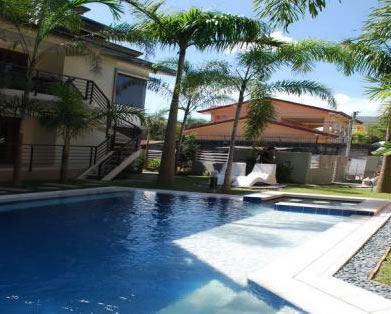
Property Type: Condo
Luxurious apartments, Philippines, this luxury development comprises of 12 units, all finished and ready to move in.
Property Terms: For Sale


|
Let your friends and colleagues know about this property.
|


Detached Houses
Detached houses provide a very different ownership experience from condominiums. They can be found throughout Japan, from major metropolitan suburbs to regional cities and rural communities.
A house purchase generally requires investigation of both the building and the land. The buyer should establish the legal description of the site, access, road arrangements, utilities, permitted use, building condition and any restrictions affecting future alterations or redevelopment.
Location is especially important with detached houses. A property that appears inexpensive in comparison with a Tokyo or Osaka apartment may be located in a market with weaker local demand, limited transport connections or fewer services. Price therefore needs to be considered alongside the reason the property is being sold and the likely future use.
Traditional Japanese Houses
Traditional houses can be among the most distinctive properties available to international buyers in Japan. Older wooden houses, including properties sometimes described as traditional or historic houses, can appeal to buyers seeking architecture and lifestyle rather than simply accommodation.
However, architectural character does not remove the need for technical due diligence. Age, construction methods, seismic considerations, roof condition, insulation, plumbing, electrical systems and previous alterations should all be investigated.
Renovation can also be more complicated than it initially appears. Before purchasing an older house, the buyer should establish which improvements are practical, what permissions may be required and what the completed property will cost to operate and maintain.
Vacant and Older Houses
Japan has a substantial stock of vacant and older homes, creating a distinct property category for buyers prepared to undertake more research. Some vacant houses may offer opportunities for renovation, while others may have physical, legal or location-related problems that explain their low asking prices.
The existence of a vacant house should not by itself be interpreted as an investment opportunity. The buyer needs to understand why the property became vacant, whether it can be renovated economically, whether access and utilities are satisfactory and whether there is sufficient demand for the intended use.
Japan's government has developed specific measures dealing with vacant houses, including legislation addressing properties that may create problems for surrounding communities. This makes the condition and management of an older vacant property an important part of the buying decision.
New-Build Property
New-build property can appeal to buyers who want modern construction, contemporary layouts and less immediate renovation work. New condominiums and houses are found particularly in urban growth areas and locations benefiting from new infrastructure or redevelopment.
The important comparison is not simply new against old. A new property may reduce some immediate maintenance concerns but can command a substantial premium over an existing property in the same area. Buyers should compare location, floor area, construction quality, management arrangements and completed transaction evidence.
For an overseas buyer purchasing before completion, additional questions arise concerning the developer, construction timetable, specifications, payment schedule and what happens if the project changes before completion.
Land Without a Building
Land is a separate property category and should not be treated as an empty version of a house. The potential value of land depends heavily on planning controls, access, infrastructure, permitted use, location and the development possibilities associated with the site.
Japan's property transaction data distinguishes land-only transactions from transactions involving land and buildings. The Ministry of Land, Infrastructure, Transport and Tourism's Real Estate Information Library also provides information such as land area, shape, road conditions, surrounding land use, zoning and building coverage and floor-area ratios.
This information can be particularly valuable to an international buyer considering development land. The key question is not simply how large the site is, but what can legally and practically be done with it.
Residential Rental Property
Rental property can take several forms, including individual condominium units, detached houses and buildings containing multiple residential units. The appropriate property type depends heavily on the local tenant market and the owner's intended management arrangement.
An apartment in a major employment centre may have a different rental profile from a house in a regional location. A property in a tourist destination may have a different operating model again, particularly if the owner is considering short-term accommodation.
International investors should therefore research tenant demand, achievable rents, competing supply, management costs, maintenance and applicable rules before buying. A property should not be classified as a rental investment simply because it is physically capable of being occupied.
Resort and Second-Home Property
Japan's geography provides opportunities for second homes and resort properties in areas associated with skiing, hot springs, beaches, mountains and tourism. Hokkaido, Okinawa and other destination markets can attract a different type of buyer from the major metropolitan areas.
Resort property needs to be assessed against seasonal demand and the practical realities of ownership from overseas. Access outside peak periods, property management, weather exposure, maintenance and local services can all influence the usefulness of the property.
For a buyer intending occasional personal use, the property should be evaluated as a lifestyle asset as well as a financial purchase. A holiday property may have a very different economic rationale from a long-term residential rental.
Commercial Property
Commercial property includes offices, shops, restaurants, warehouses and mixed-use buildings. These properties are generally more dependent on local economic activity, tenant demand and the physical characteristics of the building than a straightforward residential purchase.
An international buyer considering commercial property should investigate existing leases, tenant obligations, building condition, permitted uses, operating expenses and the likely cost of future refurbishment.
Mixed-use buildings can be particularly interesting because residential and commercial uses may exist within the same property. However, the different uses also create additional management and regulatory considerations.
Hotels and Tourism Property
Hotels, ryokan, guest accommodation and other tourism-related property represent another category within the Japanese market. These assets are linked to visitor demand and can be concentrated in major cities, cultural destinations, ski areas, hot-spring regions and other tourism markets.
A hotel purchase should not be evaluated in the same way as an ordinary residential property. The condition of the building, operating business, licences and permissions, location, staffing requirements and management model all need to be examined.
For international buyers, this distinction is important because a property that looks attractive as a building may have very different economics when operated as a hospitality business.
Development Property
Development sites range from small urban plots to large parcels intended for residential, commercial, tourism or mixed-use projects. Development property can offer greater control over the finished asset but introduces considerably more due diligence.
Planning designation, permitted uses, building coverage, floor-area ratio, road access, utilities and local development requirements should be established before land is valued as a development opportunity. Agricultural and forestry land can involve additional restrictions and should not be assumed to be readily convertible to residential or commercial use.
Large land transactions can also fall within statutory notification systems depending on the size and location of the site. Development research should therefore begin well before a purchase contract is signed.
Property Types and Actual Transaction Data
Japan provides unusually useful public property data for comparing different asset types. The Ministry of Land, Infrastructure, Transport and Tourism's Real Estate Information Library separates transactions into categories including land, land and buildings, used condominiums, agricultural land and forest land.
For residential transactions, the data can include information such as area, floor plan, building age, construction type, land use, road characteristics and transaction price. This provides a useful starting point when comparing an asking price with evidence from completed transactions.
The data should still be treated as market evidence rather than a valuation of a particular property. Individual location, condition, access and other characteristics can create substantial differences between properties that appear similar from a distance.
Property Type and Location Must Be Considered Together
The same property type can behave very differently in different parts of Japan. A condominium in central Tokyo is part of a different market from a condominium in a regional city. A detached house near a major railway station is different from a rural house, while a resort property depends on a different set of demand factors.
This is why international property research should connect asset class with geography. Buyers should establish which locations support the intended use and then compare suitable properties within those locations rather than starting with a generic search for the cheapest available property.
Japan's extensive geography also creates opportunities outside the largest cities, but those opportunities require careful research into local population, employment, tourism, transport, services and future development.
Choosing a Japanese Property Type From Overseas
An overseas buyer can begin with a simple question: what is the property expected to do? A permanent home, second residence, rental investment, renovation project, commercial investment and development site all require different research.
The next question is whether the physical property is appropriate for that purpose. The buyer should then investigate ownership, planning, condition, management, costs and evidence of local demand before comparing the asking price with other properties.
For buyers who do not live in Japan, management after completion is another important part of the decision. A property that requires regular maintenance, tenant management or renovation supervision may need reliable local support from the outset.
Researching Japanese Property Types Before Buying
Japan's property market cannot be reduced to apartments in Tokyo or traditional houses in rural areas. It includes a broad spectrum of residential, investment, commercial, tourism and development property, each with its own research requirements.
For an international buyer, the useful sequence is to identify the intended purpose, choose the appropriate property type, research the location, investigate the individual asset and then establish the full cost of ownership. This prevents a low purchase price or an attractive building from becoming the starting point for a decision before the underlying market has been understood.
Property type is therefore one part of the wider Japan research process. The strongest comparison comes from considering the asset, its location, its permitted use, its condition and its likely role in the buyer's overall property objective together.
Asia Pacific Property Market Snapshot
| Population | More than 4 billion people live across the broader Asia Pacific region, encompassing East Asia, Southeast Asia, South Asia, Australia, New Zealand and the Pacific island states. The precise geographical definition of Asia Pacific varies between organisations and sources |
|---|---|
| Area | Asia Pacific covers an extensive area stretching from South Asia and the Indian Ocean through East and Southeast Asia to Australia, New Zealand and the Pacific islands. Because regional definitions differ, the total area varies considerably between sources |
| Major Airports | Major international gateways include Singapore Changi, Hong Kong International, Tokyo Haneda and Narita, Seoul Incheon, Bangkok Suvarnabhumi, Kuala Lumpur International, Sydney, Melbourne, Auckland, Beijing Capital and Daxing, Shanghai Pudong, Delhi, Mumbai, Jakarta, Manila, Brisbane, Perth and major airports serving other regional centres |
| Currencies | Asia Pacific uses a wide range of national currencies. Major currencies include the Chinese yuan, Japanese yen, South Korean won, Singapore dollar, Australian dollar, New Zealand dollar, Indian rupee, Indonesian rupiah, Thai baht, Malaysian ringgit, Philippine peso and Vietnamese dong. Currency conditions, exchange-rate arrangements and restrictions on moving funds vary substantially between countries |
| Foreign Ownership | Foreign property ownership varies substantially across Asia Pacific and can differ according to nationality, property type, location, residency status and the structure of the purchase. Some markets provide relatively open access to residential or investment property, while others restrict foreign ownership of land or impose limits on apartments, houses, development land or agricultural property. International buyers should obtain independent local legal advice before purchasing |
| Major Property Markets | Major international property markets include Australia, Japan, Singapore, Hong Kong, China, South Korea, India, Thailand, Malaysia, Indonesia, Vietnam, the Philippines and New Zealand. Sydney, Melbourne, Brisbane, Tokyo, Osaka, Singapore, Hong Kong, Seoul, Bangkok, Kuala Lumpur, Jakarta, Bali, Manila, Ho Chi Minh City, Hanoi, Mumbai and Delhi are among the region's significant urban and investment markets |
| Main Overseas Buyers | International demand comes from a diverse mix of investors, expatriates, entrepreneurs, high-net-worth individuals, retirees, second-home buyers, lifestyle purchasers and people seeking residential property connected with employment, education or relocation. Important sources of overseas demand include neighbouring Asian countries, the Middle East, Europe, North America and Australia and New Zealand, together with substantial intra-regional investment |
| Tourism | Tourism is an important driver of property demand across much of Asia Pacific. Major tourism markets include Thailand, Indonesia, Japan, Australia, New Zealand, Vietnam, Malaysia, the Philippines and the Pacific islands. Beach resorts, tropical islands, cultural destinations, ski areas, major cities, cruise facilities and luxury hospitality developments support demand for hotels, serviced residences, vacation homes, branded residences and short-term rental property |
| Main Luxury Markets | Luxury property markets include Singapore, Hong Kong, Tokyo, Osaka, Sydney, Melbourne, Auckland, Seoul, Bangkok, Phuket, Bali, Jakarta, Kuala Lumpur, Mumbai and selected resort and island destinations across Thailand, Indonesia, Australia, New Zealand and the Pacific. Prime districts, waterfront locations, resort communities, branded residences and high-end new developments form important segments of the regional luxury market |
| Residency Routes | A number of Asia Pacific countries offer residence or migration routes connected with investment, employment, entrepreneurship, retirement, family circumstances or other qualifying criteria. Property ownership may support relocation or investment objectives in some markets, but buying property does not automatically provide residency. Eligibility, investment thresholds and programme conditions vary by country and can change over time |
| Property Taxes | Property taxes, stamp duty, transfer taxes, registration charges, land taxes, municipal charges, rental taxation, capital gains treatment and taxes affecting foreign buyers vary considerably across Asia Pacific. Some markets apply additional transaction taxes or surcharges to foreign purchasers, while others have different rules depending on property type and residency status. Buyers should assess acquisition, ownership, rental and disposal costs before purchasing |
| Investment Opportunities | Asia Pacific offers opportunities across apartments, houses, villas, luxury residences, beachfront property, resort developments, commercial real estate, hospitality, development land, new-build and off-plan projects. Major investment themes include established city markets in Australia, Japan, Singapore and South Korea; rapidly developing markets in Southeast Asia; major Indian cities; tourism destinations such as Thailand, Bali and the Pacific islands; and residential and lifestyle markets across Australia and New Zealand. Pricing, rental demand, infrastructure, taxation, regulation and foreign-buyer access vary considerably between countries and individual locations |
Major Asia Pacific Countries That Appeal to International Investors and Buyers:
Southeast Asia
 Cambodia Properties
Growing urban and coastal markets attracting international buyers and investors.  Indonesia Properties
Bali, Jakarta and other destinations offer apartments, villas and tourism-linked property opportunities.  Malaysia Properties
Kuala Lumpur, Penang and other established markets attract international buyers and investors.  Philippines Properties
Manila, Cebu and resort destinations offer apartments, condos and lifestyle property.  Singapore Properties
A major international real estate centre with prime residential and investment markets.  Thailand Properties
Bangkok, Phuket, Pattaya and other destinations attract substantial international property interest.  Vietnam Properties
Major cities and coastal destinations offer growing opportunities for overseas buyers. East Asia
 China Properties
Major metropolitan and coastal property markets with significant international connections.  Japan Properties
Tokyo, Osaka, Kyoto and resort markets attract international residential investors.  South Korea Properties
Seoul, Busan and other major markets offer urban and lifestyle property opportunities.  Taiwan Properties
Taipei and other established markets offer apartments and residential investment opportunities. South Asia
 India Properties
Mumbai, Delhi, Goa and other major markets attract overseas buyers and investors.  Maldives Properties
Luxury resorts, islands and beachfront property create a distinctive international market.  Sri Lanka Properties
Coastal, resort and city properties attract overseas buyers seeking lifestyle opportunities. Oceania & Pacific
 Australia Properties
Sydney, Melbourne, Brisbane and major coastal markets have a long-established international profile.  Fiji Properties
Beachfront and resort property provide a focused international lifestyle market.  New Zealand Properties
Auckland, Wellington and lifestyle markets attract overseas buyers within regulated ownership rules. Territories
 Hong Kong Properties
International property market and financial centre with a highly developed urban real estate sector. Territory.  Macau Properties
Highly developed urban and resort property market with strong international connections. Territory. |
|

