
Japan Property Taxes: Buying, Owning and Selling Real Estate
Property taxation is an important part of buying and owning real estate in Japan, particularly for an international buyer who may be unfamiliar with the Japanese system. Taxes can arise when property is acquired, during ownership, when it produces rental income and when it is eventually sold or transferred.
The tax position depends on the property, transaction, ownership structure and circumstances of the taxpayer. A non-resident owner can also have Japanese tax obligations even while living permanently outside Japan. For that reason, Japanese property taxes should be researched as part of the complete purchase process rather than treated as a single acquisition cost.
This guide explains the principal taxes and tax-related issues an overseas buyer should investigate. Rates and special measures can change, so the current rules should always be confirmed for the particular transaction.
Property Taxes When Buying in Japan
Several different costs can arise when Japanese real estate is purchased. They should not all be described as a single “property purchase tax”, because different taxes apply to different parts of the transaction.
The principal areas to investigate include real estate acquisition tax, registration and licence tax, stamp duty and, depending on the transaction and property, consumption tax. The tax treatment can also differ between land and buildings.
The purchase price used for a tax calculation is not necessarily the same figure as the negotiated market price. Some Japanese property taxes use assessed values or other statutory tax bases, so an overseas buyer should not assume that a simple percentage of the agreed purchase price will produce the final liability.
Real Estate Acquisition Tax
Real estate acquisition tax is a prefectural tax associated with the acquisition of land or buildings in Japan. It can apply when property is acquired by purchase and in certain other forms of acquisition.
The tax is generally based on the assessed value used for tax purposes rather than simply the amount paid for the property. There are special rules and reductions for qualifying residential property and land, and these can depend on the property and transaction date.
For an international buyer, this means that the acquisition-tax calculation should be made against the specific property rather than estimated solely from its advertised price.

|
PHILIPPINES |
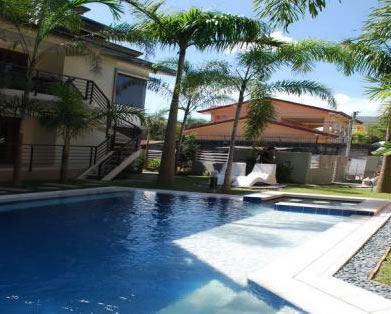
Property Type: Condo
Luxurious apartments, Philippines, this luxury development comprises of 12 units, all finished and ready to move in.
Property Terms: For Sale


|
Let your friends and colleagues know about this property.
|


Registration and Licence Tax
Registration and licence tax is a national tax associated with registrations made in Japan. It is particularly relevant when ownership of land or a building is registered following a purchase.
Japan's National Tax Agency states that, as of April 1, 2026, the statutory rate for registration of a transfer of land ownership by sale is 2%, with a temporary reduced rate of 1.5% applying to qualifying registrations made by March 31, 2029. The tax base is generally the property's assessed value recorded for fixed-asset tax purposes rather than simply the purchase price.
Buildings have separate registration rules and rates, while mortgages and other registered rights can create additional registration tax. Residential properties may qualify for particular reductions subject to statutory conditions.
These distinctions are important when calculating the true cost of acquisition because the land and building components do not necessarily receive identical treatment.
Stamp Duty on Japanese Property Transactions
Stamp tax can apply to documents such as real estate sale and purchase agreements. The amount depends on the document and the transaction value, with statutory reductions applying to certain real estate contracts during specified periods.
The tax is connected to the taxable document rather than simply being an additional percentage of the property's market value. The buyer should therefore establish the stamp-tax treatment of the actual contract being prepared.
For overseas buyers, professional assistance is useful because the Japanese-language contractual documentation may contain the information needed to determine the applicable stamp tax.
Consumption Tax and Japanese Property
Consumption tax has a different role in Japanese real estate because the treatment of land and buildings is not identical.
The sale or transfer of land is generally outside the scope of consumption tax, while a building sold as part of a taxable business transaction can be subject to consumption tax. The circumstances of the seller and the nature of the transaction therefore matter.
Residential rent is generally treated differently from the rent of business premises. Japan's National Tax Agency states that ordinary residential house rent is not subject to consumption tax, while rent for office buildings is generally taxable. Short rental periods and certain parking arrangements can have different treatment.
An investor comparing residential and commercial property should therefore establish whether consumption tax forms part of the acquisition or operating economics of the particular asset.
Annual Property Taxes in Japan
Owning Japanese property can create continuing annual tax obligations. The two principal local property taxes are fixed asset tax and city planning tax, although the applicability and calculation depend on the property and location.
Fixed asset tax is imposed on land and buildings based on assessed values recorded in the fixed asset tax system. City planning tax can apply to land and buildings located within designated city planning areas, subject to the applicable local rules.
These taxes are separate from the purchase-related taxes. A buyer should therefore include recurring property taxes in the ownership budget rather than considering the transaction complete once acquisition taxes have been paid.
Fixed Asset Tax
Fixed asset tax is administered by municipalities and is generally imposed on land and buildings owned as of the relevant annual assessment date.
The tax is based on the municipality's assessed value rather than the property's current asking price. The assessment system is therefore an important part of understanding the annual cost of ownership.
Residential properties can qualify for specific reductions or special treatment under Japanese law. The applicable calculation can depend on the land area, building use and other characteristics of the property.
International buyers should obtain the current tax assessment and confirm the applicable liability when evaluating an existing property, rather than attempting to infer the annual tax solely from the purchase price.
City Planning Tax
City planning tax is another local tax that can apply to land and buildings in areas designated under Japan's urban planning system. It is closely associated with properties located within designated urban planning areas.
The tax is calculated using the relevant assessed value and is separate from fixed asset tax. Whether it applies depends on the location of the property.
This is one reason why two properties with similar purchase prices can have different annual ownership costs. The buyer should investigate the actual municipal tax position of the property being considered.
Tax on Rental Income
An international owner who rents out Japanese property needs to consider Japanese taxation of rental income. Income generated from real estate located in Japan is relevant to the Japanese tax system even when the owner lives overseas.
The taxable result is not simply the total amount collected from tenants. Depending on the circumstances, allowable expenses can include certain management, maintenance, depreciation, interest and other property-related costs. The correct treatment depends on the owner's status and the nature of the activity.
Non-resident owners may also have withholding obligations associated with payments made to them. Professional tax advice is particularly important where the owner lives outside Japan because Japanese tax filing obligations and the tax system of the owner's home country can both need to be considered.
Rental Property and Consumption Tax
The tax treatment of rental income depends partly on the type of property being rented. Ordinary residential rent is generally non-taxable for consumption-tax purposes, while business premises can fall within the taxable system.
The distinction matters to investors comparing residential apartments with offices, shops or other commercial property. A commercial property may generate taxable rental sales and involve consumption-tax accounting that would not apply in the same way to ordinary residential rent.
Short-term accommodation can also have different treatment from ordinary residential leasing. Investors considering holiday or tourism accommodation should therefore establish the tax treatment associated with the actual operating model.
Capital Gains Tax When Selling Japanese Property
Selling Japanese real estate can create a taxable capital gain. The calculation generally begins with the sale proceeds and deducts the relevant acquisition cost and eligible selling expenses, subject to the Japanese rules applying to the particular taxpayer and property.
The period for which the property has been owned is important because Japanese capital-gains taxation distinguishes between short-term and long-term ownership. The tax treatment can therefore change depending on whether the property is sold within or after the applicable holding period.
The original acquisition cost can include more than the headline purchase price. Certain acquisition and improvement costs may form part of the tax calculation, while depreciation can affect the treatment of buildings used for income-producing purposes.
Selling Japanese Property as a Non-Resident
Non-resident owners require particular attention when selling Japanese real estate. Japan has withholding rules that can apply when a Japanese property is purchased from a non-resident or foreign corporation.
The National Tax Agency states that, in principle, the purchaser paying consideration to a non-resident or foreign corporation for Japanese land, buildings or related rights must withhold 10.21% of the payment as income tax and reconstruction special income tax. There is an exception for certain purchases by individuals for their own or relatives' residential use where the consideration does not exceed ¥100 million.
This withholding mechanism is not necessarily the final tax liability of the seller. It is a withholding system that must be considered alongside the seller's actual Japanese tax position and any applicable tax treaty.
A non-resident owner planning a sale should therefore obtain Japanese tax advice before completion so that the withholding and filing position can be established in advance.
Inheritance and Gift Tax on Japanese Property
Japanese real estate can also have inheritance and gift-tax implications. The position can become particularly important where an overseas owner intends to pass Japanese property to family members.
The Japanese tax system contains specific rules governing inheritance and gifts involving property in Japan, and the tax position depends on factors including the relationship between the parties, their residence and citizenship circumstances and the location of the assets.
An international owner should therefore consider succession planning before purchasing substantial Japanese real estate. Ownership through a company or other structure does not automatically remove the need for specialist Japanese and international tax advice.
Non-Resident Property Owners
Living outside Japan does not remove the owner's Japanese property obligations. A non-resident can continue to own Japanese land or buildings and may have Japanese tax, reporting and administrative responsibilities associated with that ownership.
Japan's Ministry of Finance also has a separate reporting requirement under the Foreign Exchange and Foreign Trade Act for certain non-resident acquisitions of Japanese real property. For acquisitions on or after April 1, 2026, the exemptions differ from the earlier rules and depend on the purpose and circumstances of the acquisition.
Where the reporting requirement applies, the report must generally be submitted to the Minister of Finance through the Bank of Japan within 20 days of the acquisition. It is written in Japanese and can be submitted by the non-resident or an agent resident in Japan.
This reporting requirement is separate from taxation, but it belongs in the same purchase checklist because both can affect an overseas buyer's transaction.
Taxation of Japanese Property for Companies
Property owned through a company introduces additional considerations. A corporate owner can have different income-tax, accounting, consumption-tax and property-tax implications from an individual owner.
The structure can also affect financing, administration, the treatment of rental income, the eventual sale of the property and the tax position when profits are distributed or the company is transferred.
An overseas investor should therefore establish the intended ownership structure before signing a purchase agreement. Changing the ownership structure after acquisition can create additional costs and tax consequences.
Property Taxes and the Cost of Ownership
The most useful way to research Japanese property taxes is to divide them into three stages: acquisition, ownership and disposal.
Acquisition can involve real estate acquisition tax, registration and licence tax, stamp duty and potentially consumption tax. Ownership can involve fixed asset tax, city planning tax and taxation of rental income. Disposal can involve capital-gains taxation and, for a non-resident seller, potentially withholding at the time of sale.
There can also be professional fees, accounting costs, management expenses and other transaction costs that are not technically taxes but still affect the financial result.
Tax Research for International Property Buyers
Tax should be researched alongside the property rather than after the purchase price has been agreed. The buyer should establish whether the property is land, residential or commercial property, whether it will be occupied or rented, who will own it and whether the owner will be resident or non-resident.
The buyer should then obtain the relevant assessed values and current municipal information and calculate the acquisition and annual ownership costs. For an investment property, rental taxation and potential disposal taxes should be included in the financial model from the beginning.
International buyers should also consider taxation in their country of residence. A Japanese property can create obligations in both Japan and the owner's home jurisdiction, with tax treaties potentially affecting how particular income or gains are treated.
Japan Property Taxes: Check the Current Rules
Japanese property taxation is detailed and transaction-specific. The tax treatment of an urban condominium can differ from that of development land, a commercial building, a rental property or a second home, while the position can change again when the owner is a non-resident or uses a corporate structure.
For an international buyer, the important starting point is therefore not a single headline tax rate but a complete calculation of the taxes that apply to the intended property and ownership structure.
Tax rates, exemptions and temporary reductions can change over time. Before completing a purchase, the current rules should be confirmed with the relevant Japanese authority and, where appropriate, a qualified Japanese tax professional who can assess the buyer's individual circumstances.
Asia Pacific Property Market Snapshot
| Population | More than 4 billion people live across the broader Asia Pacific region, encompassing East Asia, Southeast Asia, South Asia, Australia, New Zealand and the Pacific island states. The precise geographical definition of Asia Pacific varies between organisations and sources |
|---|---|
| Area | Asia Pacific covers an extensive area stretching from South Asia and the Indian Ocean through East and Southeast Asia to Australia, New Zealand and the Pacific islands. Because regional definitions differ, the total area varies considerably between sources |
| Major Airports | Major international gateways include Singapore Changi, Hong Kong International, Tokyo Haneda and Narita, Seoul Incheon, Bangkok Suvarnabhumi, Kuala Lumpur International, Sydney, Melbourne, Auckland, Beijing Capital and Daxing, Shanghai Pudong, Delhi, Mumbai, Jakarta, Manila, Brisbane, Perth and major airports serving other regional centres |
| Currencies | Asia Pacific uses a wide range of national currencies. Major currencies include the Chinese yuan, Japanese yen, South Korean won, Singapore dollar, Australian dollar, New Zealand dollar, Indian rupee, Indonesian rupiah, Thai baht, Malaysian ringgit, Philippine peso and Vietnamese dong. Currency conditions, exchange-rate arrangements and restrictions on moving funds vary substantially between countries |
| Foreign Ownership | Foreign property ownership varies substantially across Asia Pacific and can differ according to nationality, property type, location, residency status and the structure of the purchase. Some markets provide relatively open access to residential or investment property, while others restrict foreign ownership of land or impose limits on apartments, houses, development land or agricultural property. International buyers should obtain independent local legal advice before purchasing |
| Major Property Markets | Major international property markets include Australia, Japan, Singapore, Hong Kong, China, South Korea, India, Thailand, Malaysia, Indonesia, Vietnam, the Philippines and New Zealand. Sydney, Melbourne, Brisbane, Tokyo, Osaka, Singapore, Hong Kong, Seoul, Bangkok, Kuala Lumpur, Jakarta, Bali, Manila, Ho Chi Minh City, Hanoi, Mumbai and Delhi are among the region's significant urban and investment markets |
| Main Overseas Buyers | International demand comes from a diverse mix of investors, expatriates, entrepreneurs, high-net-worth individuals, retirees, second-home buyers, lifestyle purchasers and people seeking residential property connected with employment, education or relocation. Important sources of overseas demand include neighbouring Asian countries, the Middle East, Europe, North America and Australia and New Zealand, together with substantial intra-regional investment |
| Tourism | Tourism is an important driver of property demand across much of Asia Pacific. Major tourism markets include Thailand, Indonesia, Japan, Australia, New Zealand, Vietnam, Malaysia, the Philippines and the Pacific islands. Beach resorts, tropical islands, cultural destinations, ski areas, major cities, cruise facilities and luxury hospitality developments support demand for hotels, serviced residences, vacation homes, branded residences and short-term rental property |
| Main Luxury Markets | Luxury property markets include Singapore, Hong Kong, Tokyo, Osaka, Sydney, Melbourne, Auckland, Seoul, Bangkok, Phuket, Bali, Jakarta, Kuala Lumpur, Mumbai and selected resort and island destinations across Thailand, Indonesia, Australia, New Zealand and the Pacific. Prime districts, waterfront locations, resort communities, branded residences and high-end new developments form important segments of the regional luxury market |
| Residency Routes | A number of Asia Pacific countries offer residence or migration routes connected with investment, employment, entrepreneurship, retirement, family circumstances or other qualifying criteria. Property ownership may support relocation or investment objectives in some markets, but buying property does not automatically provide residency. Eligibility, investment thresholds and programme conditions vary by country and can change over time |
| Property Taxes | Property taxes, stamp duty, transfer taxes, registration charges, land taxes, municipal charges, rental taxation, capital gains treatment and taxes affecting foreign buyers vary considerably across Asia Pacific. Some markets apply additional transaction taxes or surcharges to foreign purchasers, while others have different rules depending on property type and residency status. Buyers should assess acquisition, ownership, rental and disposal costs before purchasing |
| Investment Opportunities | Asia Pacific offers opportunities across apartments, houses, villas, luxury residences, beachfront property, resort developments, commercial real estate, hospitality, development land, new-build and off-plan projects. Major investment themes include established city markets in Australia, Japan, Singapore and South Korea; rapidly developing markets in Southeast Asia; major Indian cities; tourism destinations such as Thailand, Bali and the Pacific islands; and residential and lifestyle markets across Australia and New Zealand. Pricing, rental demand, infrastructure, taxation, regulation and foreign-buyer access vary considerably between countries and individual locations |
Major Asia Pacific Countries That Appeal to International Investors and Buyers:
Southeast Asia
 Cambodia Properties
Growing urban and coastal markets attracting international buyers and investors.  Indonesia Properties
Bali, Jakarta and other destinations offer apartments, villas and tourism-linked property opportunities.  Malaysia Properties
Kuala Lumpur, Penang and other established markets attract international buyers and investors.  Philippines Properties
Manila, Cebu and resort destinations offer apartments, condos and lifestyle property.  Singapore Properties
A major international real estate centre with prime residential and investment markets.  Thailand Properties
Bangkok, Phuket, Pattaya and other destinations attract substantial international property interest.  Vietnam Properties
Major cities and coastal destinations offer growing opportunities for overseas buyers. East Asia
 China Properties
Major metropolitan and coastal property markets with significant international connections.  Japan Properties
Tokyo, Osaka, Kyoto and resort markets attract international residential investors.  South Korea Properties
Seoul, Busan and other major markets offer urban and lifestyle property opportunities.  Taiwan Properties
Taipei and other established markets offer apartments and residential investment opportunities. South Asia
 India Properties
Mumbai, Delhi, Goa and other major markets attract overseas buyers and investors.  Maldives Properties
Luxury resorts, islands and beachfront property create a distinctive international market.  Sri Lanka Properties
Coastal, resort and city properties attract overseas buyers seeking lifestyle opportunities. Oceania & Pacific
 Australia Properties
Sydney, Melbourne, Brisbane and major coastal markets have a long-established international profile.  Fiji Properties
Beachfront and resort property provide a focused international lifestyle market.  New Zealand Properties
Auckland, Wellington and lifestyle markets attract overseas buyers within regulated ownership rules. Territories
 Hong Kong Properties
International property market and financial centre with a highly developed urban real estate sector. Territory.  Macau Properties
Highly developed urban and resort property market with strong international connections. Territory. |
|

