
Climate Risk and Property in Asia-Pacific – Guide for International Buyers
Climate and environmental conditions are important considerations when buying property in Asia-Pacific. The region extends from the temperate climates of Japan, South Korea, Australia and New Zealand to tropical Southeast Asia, the Indian Ocean islands and the Pacific. Each environment creates different requirements for building design, maintenance, insurance, infrastructure and long-term property ownership.
For international buyers researching a property from overseas, understanding the local environment is an essential part of assessing whether a property is suitable for its intended purpose. A beachfront villa, an apartment in a major city, a rural house, a mountain retreat and a new resort development may face very different environmental conditions, even when located within the same country.
Climate risk can affect more than the physical condition of a building. It may influence insurance availability, repair expenses, rental demand, access to services, financing decisions and future resale prospects. These considerations are particularly relevant to buyers planning to hold property for many years or manage it from another country.
Understanding Climate Risk in Asia-Pacific Property Markets
Climate risk refers to the potential effects of environmental conditions and changing climate patterns on a property, its surroundings and the systems needed to support it. These effects may be sudden, such as storm damage or flooding, or gradual, such as increasing heat, coastal erosion, water stress and changes in maintenance requirements.
Asia-Pacific contains a wide range of hazards. Depending on the location, properties may be exposed to tropical cyclones, typhoons, heavy rainfall, river flooding, coastal inundation, earthquakes, landslides, volcanic activity, extreme heat or prolonged dry conditions. The relevant combination varies by country, region and individual site.
Climate risk should not be assessed by country name alone. Two properties in the same city can have different levels of exposure because of elevation, drainage, construction quality, building orientation, proximity to the coast and the resilience of local infrastructure.
For overseas buyers, the objective is to understand the specific environmental conditions affecting the property and establish whether the building, location and ownership costs are appropriate for those conditions.
Tropical Cyclones, Typhoons and Severe Storms
Parts of East Asia, Southeast Asia and the Pacific experience tropical cyclones and severe storms. These events can bring high winds, intense rainfall, storm surge, power interruptions and damage to buildings, roads, utilities and other infrastructure.
Storm exposure is relevant to residential property, holiday homes, resort developments, coastal apartments and commercial buildings. Roof design, external fittings, windows, drainage, building materials and maintenance can influence how well a property withstands severe weather.
Buyers should investigate the property's location in relation to historical storm impacts and local hazard information. They should also establish whether the building was designed and maintained in accordance with applicable construction requirements, and whether suitable insurance is available.
A property that appears undamaged during a viewing may still require further investigation into previous repairs, water intrusion, roof condition or storm-related structural issues. For a new development, the buyer should review the construction specifications and determine which protective features are included rather than relying solely on marketing descriptions.
Storm risk also affects the practical use of a property. Access roads, electricity, water supply, communications and nearby services can be disrupted even where the building itself remains intact. These wider effects matter to permanent residents, rental investors and owners who use a property only during part of the year.
Flooding and Heavy Rainfall
Flooding can affect properties near rivers, drainage channels, low-lying coastal areas and locations where heavy rainfall overwhelms local drainage systems. Urban development can change how water moves through an area, while blocked drains, inadequate infrastructure and changes to surrounding land can increase local exposure.
Flood risk is not limited to properties directly beside a river or sea. Water may collect in low-lying streets, underground parking areas, ground-floor accommodation and developments built on land with inadequate drainage. Sloping sites can also experience runoff, erosion or landslides under certain conditions.
International buyers should investigate the site's elevation, drainage, access routes and available flood information. Where the potential consequences are significant, an independent technical assessment may be appropriate. Buyers should also ask about previous water damage, repairs and any known drainage problems.
Insurance requires particular attention because policies may distinguish between different sources of water damage. A general statement that a property is insured does not necessarily establish that flooding, storm surge or other relevant hazards are covered.
The dedicated Asia-Pacific coastal flooding and property guide provides a more focused starting point for investigating flood-related exposure.

|
PHILIPPINES |
Property Type: Condo
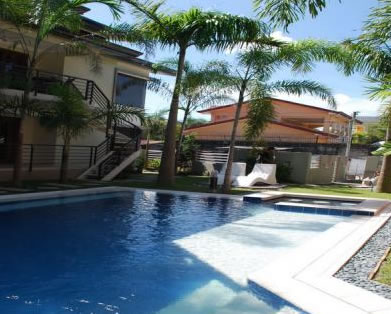
Luxurious apartments, Philippines, this luxury development comprises of 12 units, all finished and ready to move in.
Property Terms: For Sale


|
Let your friends and colleagues know about this property.
|


Coastal Erosion and Rising Sea Levels
Coastal property is an important part of the Asia-Pacific real estate market. Buyers are attracted to beachfront homes, island residences, resort developments and properties offering access to beaches and waterfront activities. However, proximity to the coast can introduce environmental considerations that are less significant for inland property.
Coastal erosion, storm surge, wave action, shoreline change and rising sea levels can affect the land, buildings and infrastructure supporting a coastal development. The nature and severity of these issues vary according to the coastline, local geology, exposure, protective infrastructure and other site-specific conditions.
For international buyers, the relevant question is not simply whether a property has a sea view or direct beach access. It is whether the land and building are suitable for long-term ownership, whether access and services are resilient, and whether environmental conditions could affect future use or resale.
Buyers should investigate local coastal planning requirements, known erosion concerns, setback rules and any restrictions on construction or rebuilding. They should also establish whether seawalls or other protective structures are privately maintained, shared by a development or managed by a public authority.
Beachfront property may also require more frequent maintenance because of salt exposure, humidity and wind. These ongoing expenses should be considered alongside the purchase price and any expected rental income.
Extreme Heat, Humidity and Water Availability
Heat and humidity can affect property across tropical, subtropical and increasingly hot temperate locations. Buildings may require effective shading, ventilation, insulation, cooling systems and materials suited to local conditions. Without appropriate design and maintenance, heat and moisture can contribute to higher energy consumption, discomfort, mould and deterioration.
These factors are relevant to both new and established property. An older house may have limited insulation or inefficient cooling, while a modern apartment can still have high operating costs if its design, glazing or orientation increases the demand for air conditioning.
Water availability is another consideration in some locations. Seasonal shortages, drought conditions, pressure on municipal supplies and dependence on local water infrastructure can affect residential use, landscaping, tourism developments and agricultural property.
International buyers should assess whether a property has reliable access to water and electricity, how cooling systems operate, and what the expected utility and maintenance costs may be. For a property intended for permanent occupation, the reliability of essential services can be as important as the building itself.
For a rental investment, these conditions can also influence tenant expectations, occupancy and operating expenses. The relevant assessment should reflect the property's intended use rather than assuming that all buyers or tenants have the same requirements.
Earthquakes, Landslides and Other Physical Hazards
Some Asia-Pacific locations experience earthquakes, volcanic activity, landslides or other geological hazards. These risks are distinct from climate-related hazards, although they belong within a wider assessment of environmental and physical property risk.
Earthquake exposure can make construction standards, structural condition and the quality of previous repairs particularly important. In areas with steep terrain, heavy rainfall may contribute to slope instability or landslides. Volcanic hazards can also affect certain locations and may disrupt transport, utilities and daily life.
Buyers should research the hazards relevant to the precise location and seek appropriate professional advice where necessary. Building age alone does not establish whether a property is structurally suitable, and a recently completed building should not automatically be assumed to meet every relevant requirement.
For apartments, the assessment should consider the wider building and shared infrastructure, not simply the interior unit. For houses and development land, foundations, slope conditions, retaining structures, access and drainage may be especially important.
The Asia-Pacific earthquake risk guide provides a related research pathway for buyers considering locations where seismic exposure is relevant.
Climate Risk and Property Insurance
Insurance is a major consideration when environmental hazards may affect a property. Premiums, deductibles, exclusions, coverage limits and the availability of suitable policies can all influence the cost and practicality of ownership.
Insurance conditions may differ between neighbouring locations and between individual properties. A building's construction, previous claims, elevation, maintenance history and exposure to particular hazards can influence the terms available. Some risks may be excluded from a standard policy or require additional cover.
International buyers should obtain insurance information relevant to the actual property before completing a purchase. Where possible, they should review the policy wording and establish how it treats the hazards most relevant to the location. A general estimate based on another property may not provide a reliable guide to the eventual premium or coverage.
Owners should also consider whether insurance limits are sufficient for rebuilding and whether temporary accommodation, debris removal, liability or other expenses are covered where relevant. The practical consequences of a major event can extend beyond the cost of repairing the building.
Insurance should form part of the broader ownership budget rather than being treated as a minor administrative expense. The Asia-Pacific property insurance guide explains further considerations for researching cover.
Climate Risk, Property Values and Resale
Environmental exposure can affect the long-term attractiveness of a property. Buyers may become more cautious about locations with repeated flooding, rising insurance costs, difficult maintenance requirements or uncertain infrastructure resilience. These factors can influence demand, the time needed to sell and the price a future buyer is prepared to pay.
Climate risk does not affect every property in the same way. A well-maintained building with appropriate design, reliable infrastructure and manageable operating costs may have a different outlook from a similar property with unresolved drainage, structural or insurance concerns.
International owners should consider the likely future buyer market. A second home aimed at overseas purchasers, a holiday rental dependent on tourism and a conventional residence serving local households may have different demand patterns. The ability to sell can also depend on ownership rules, property type, financing availability and local market conditions.
It is therefore important to assess environmental exposure alongside conventional property factors such as location, price, rental demand, legal title and liquidity. Climate considerations should inform the investment decision rather than replace broader market research.
The property exit and liquidity risk guide provides further context for buyers planning a long-term holding or eventual resale.
Climate Risk for Resort and Holiday Property
Resort and holiday properties can be particularly sensitive to environmental conditions because their appeal often depends on beaches, scenery, outdoor activities and reliable visitor access. A property may be attractive during a viewing but still require careful assessment of its exposure to storms, flooding, heat, erosion and disruption to local services.
Tourism-related demand can also be affected when environmental events damage transport links, public facilities or the wider destination. Even where a particular building escapes direct damage, temporary closures or reduced visitor confidence can affect rental income.
Buyers considering a holiday home or resort investment should examine the property's construction, maintenance arrangements, insurance, access and the resilience of surrounding infrastructure. They should also establish whether projected rental income accounts for seasonal conditions, potential disruption and ongoing operating expenses.
For developments that are still being built, investigate whether environmental considerations have been incorporated into the design and approvals. Future facilities or protective works described in promotional material should not be treated as completed or guaranteed unless their status has been verified.
Climate exposure is only one part of the investment assessment, but it can have a direct effect on the property's suitability, operating costs and potential resale value.
Climate Considerations for Off-Plan Property
Buying an off-plan property means committing to a building or development before it is complete. This limits the buyer's ability to inspect the finished structure and verify how it responds to local environmental conditions.
Before committing, international buyers should review the specifications, approved plans, construction standards and contractual descriptions of relevant building features. These may include drainage, roofing, structural design, ventilation, cooling, water systems and other measures appropriate to the location.
Buyers should also investigate the developer's experience and the project's approval status. A development's environmental claims should be checked against the actual design and contractual obligations rather than accepted solely on the strength of marketing language.
Where environmental performance is central to the purchase, an independent technical adviser may help assess whether the proposed construction and site arrangements are appropriate. The buyer should understand what happens if specified features are changed, delayed or not delivered.
The Asia-Pacific off-plan property risk guide and developer risk guide provide additional context for evaluating these transactions.
Assessing Climate Risk Before Buying From Abroad
International buyers should use a structured process that moves from the general location to the individual property. National climate descriptions can provide context, but they cannot establish the exposure of a particular building or plot of land.
A practical assessment should include the following steps:
- Identify the environmental hazards relevant to the country, region and local area.
- Investigate the property's precise location, elevation, drainage, coastal exposure and surrounding terrain.
- Review the building's construction, condition, maintenance history and relevant approvals.
- Ask about previous damage, repairs, flooding, storm impacts and known environmental concerns.
- Confirm the availability, exclusions, deductibles and cost of suitable insurance.
- Estimate ongoing maintenance, utilities, cooling and other operating expenses.
- Assess the resilience of roads, water, electricity, communications and other essential services.
- Consider how environmental conditions could affect rental demand, future repairs and eventual resale.
- Obtain independent inspections or specialist reports where the value or complexity of the purchase justifies them.
Information should be verified through appropriate local sources and qualified professionals. Depending on the location, useful evidence may come from planning authorities, hazard maps, building records, insurers, surveyors, engineers and local infrastructure providers.
Climate Risk and the Cost of Property Ownership
The financial impact of environmental conditions should be included in the total cost of ownership. Purchase price and transaction expenses are only part of the calculation. Insurance, maintenance, repairs, utilities and potential periods of reduced rental income can influence the cost of holding a property over many years.
A property with a relatively low purchase price may be less attractive if it requires extensive maintenance, has limited insurance options or faces expensive infrastructure challenges. Conversely, environmental exposure should be assessed in context rather than used as a broad assumption that every property in a particular country or coastal region is unsuitable.
Buyers should compare properties using realistic operating budgets and consider how costs might change over their intended holding period. For rental investments, expected income should be tested against periods of vacancy, disruption and additional maintenance rather than relying only on projected gross yield.
The Asia-Pacific property ownership costs guide provides a framework for considering recurring expenses alongside environmental and market risks.
Researching Climate and Property Risk Across Asia-Pacific
Asia-Pacific's geographical diversity creates a wide range of property environments, from dense metropolitan districts to tropical coastlines, mountain communities and remote island markets. Environmental conditions can influence building design, maintenance, insurance, ownership costs and long-term property use, but the level and type of exposure must be established locally.
For international buyers, the most useful approach is to combine regional research with property-specific due diligence. Begin by understanding the country and location, then investigate the actual building, its construction, environmental exposure, insurance arrangements and surrounding infrastructure.
IPD's Asia-Pacific property risks guide provides a broader framework for assessing legal, financial, market and physical risks. More focused research into flooding, earthquakes, typhoons, insurance and ownership costs can then help identify the questions relevant to a particular purchase.
The objective is not to predict every environmental event or eliminate all uncertainty. It is to understand the property's exposure, determine whether its design and location are appropriate, establish the likely financial consequences and make an informed decision before committing capital to an overseas property.
Asia Pacific Property Market Snapshot
| Population | More than 4 billion people live across the broader Asia Pacific region, encompassing East Asia, Southeast Asia, South Asia, Australia, New Zealand and the Pacific island states. The precise geographical definition of Asia Pacific varies between organisations and sources |
|---|---|
| Area | Asia Pacific covers an extensive area stretching from South Asia and the Indian Ocean through East and Southeast Asia to Australia, New Zealand and the Pacific islands. Because regional definitions differ, the total area varies considerably between sources |
| Major Airports | Major international gateways include Singapore Changi, Hong Kong International, Tokyo Haneda and Narita, Seoul Incheon, Bangkok Suvarnabhumi, Kuala Lumpur International, Sydney, Melbourne, Auckland, Beijing Capital and Daxing, Shanghai Pudong, Delhi, Mumbai, Jakarta, Manila, Brisbane, Perth and major airports serving other regional centres |
| Currencies | Asia Pacific uses a wide range of national currencies. Major currencies include the Chinese yuan, Japanese yen, South Korean won, Singapore dollar, Australian dollar, New Zealand dollar, Indian rupee, Indonesian rupiah, Thai baht, Malaysian ringgit, Philippine peso and Vietnamese dong. Currency conditions, exchange-rate arrangements and restrictions on moving funds vary substantially between countries |
| Foreign Ownership | Foreign property ownership varies substantially across Asia Pacific and can differ according to nationality, property type, location, residency status and the structure of the purchase. Some markets provide relatively open access to residential or investment property, while others restrict foreign ownership of land or impose limits on apartments, houses, development land or agricultural property. International buyers should obtain independent local legal advice before purchasing |
| Major Property Markets | Major international property markets include Australia, Japan, Singapore, Hong Kong, China, South Korea, India, Thailand, Malaysia, Indonesia, Vietnam, the Philippines and New Zealand. Sydney, Melbourne, Brisbane, Tokyo, Osaka, Singapore, Hong Kong, Seoul, Bangkok, Kuala Lumpur, Jakarta, Bali, Manila, Ho Chi Minh City, Hanoi, Mumbai and Delhi are among the region's significant urban and investment markets |
| Main Overseas Buyers | International demand comes from a diverse mix of investors, expatriates, entrepreneurs, high-net-worth individuals, retirees, second-home buyers, lifestyle purchasers and people seeking residential property connected with employment, education or relocation. Important sources of overseas demand include neighbouring Asian countries, the Middle East, Europe, North America and Australia and New Zealand, together with substantial intra-regional investment |
| Tourism | Tourism is an important driver of property demand across much of Asia Pacific. Major tourism markets include Thailand, Indonesia, Japan, Australia, New Zealand, Vietnam, Malaysia, the Philippines and the Pacific islands. Beach resorts, tropical islands, cultural destinations, ski areas, major cities, cruise facilities and luxury hospitality developments support demand for hotels, serviced residences, vacation homes, branded residences and short-term rental property |
| Main Luxury Markets | Luxury property markets include Singapore, Hong Kong, Tokyo, Osaka, Sydney, Melbourne, Auckland, Seoul, Bangkok, Phuket, Bali, Jakarta, Kuala Lumpur, Mumbai and selected resort and island destinations across Thailand, Indonesia, Australia, New Zealand and the Pacific. Prime districts, waterfront locations, resort communities, branded residences and high-end new developments form important segments of the regional luxury market |
| Residency Routes | A number of Asia Pacific countries offer residence or migration routes connected with investment, employment, entrepreneurship, retirement, family circumstances or other qualifying criteria. Property ownership may support relocation or investment objectives in some markets, but buying property does not automatically provide residency. Eligibility, investment thresholds and programme conditions vary by country and can change over time |
| Property Taxes | Property taxes, stamp duty, transfer taxes, registration charges, land taxes, municipal charges, rental taxation, capital gains treatment and taxes affecting foreign buyers vary considerably across Asia Pacific. Some markets apply additional transaction taxes or surcharges to foreign purchasers, while others have different rules depending on property type and residency status. Buyers should assess acquisition, ownership, rental and disposal costs before purchasing |
| Investment Opportunities | Asia Pacific offers opportunities across apartments, houses, villas, luxury residences, beachfront property, resort developments, commercial real estate, hospitality, development land, new-build and off-plan projects. Major investment themes include established city markets in Australia, Japan, Singapore and South Korea; rapidly developing markets in Southeast Asia; major Indian cities; tourism destinations such as Thailand, Bali and the Pacific islands; and residential and lifestyle markets across Australia and New Zealand. Pricing, rental demand, infrastructure, taxation, regulation and foreign-buyer access vary considerably between countries and individual locations |
Major Asia Pacific Countries That Appeal to International Investors and Buyers:
Southeast Asia
 Cambodia Properties Growing urban and coastal markets attracting international buyers and investors.  Indonesia Properties Bali, Jakarta and other destinations offer apartments, villas and tourism-linked property opportunities.  Malaysia Properties Kuala Lumpur, Penang and other established markets attract international buyers and investors.  Philippines Properties Manila, Cebu and resort destinations offer apartments, condos and lifestyle property.  Singapore Properties A major international real estate centre with prime residential and investment markets.  Thailand Properties Bangkok, Phuket, Pattaya and other destinations attract substantial international property interest.  Vietnam Properties Major cities and coastal destinations offer growing opportunities for overseas buyers. East Asia
 China Properties Major metropolitan and coastal property markets with significant international connections.  Japan Properties Tokyo, Osaka, Kyoto and resort markets attract international residential investors.  South Korea Properties Seoul, Busan and other major markets offer urban and lifestyle property opportunities.  Taiwan Properties Taipei and other established markets offer apartments and residential investment opportunities. South Asia
 India Properties Mumbai, Delhi, Goa and other major markets attract overseas buyers and investors.  Maldives Properties Luxury resorts, islands and beachfront property create a distinctive international market.  Sri Lanka Properties Coastal, resort and city properties attract overseas buyers seeking lifestyle opportunities. Oceania & Pacific
 Australia Properties Sydney, Melbourne, Brisbane and major coastal markets have a long-established international profile.  Fiji Properties Beachfront and resort property provide a focused international lifestyle market.  New Zealand Properties Auckland, Wellington and lifestyle markets attract overseas buyers within regulated ownership rules. Territories
 Hong Kong Properties International property market and financial centre with a highly developed urban real estate sector. Territory.  Macau Properties Highly developed urban and resort property market with strong international connections. Territory. |
|

