
Asia-Pacific Property Developer Risk – Due Diligence for International Buyers
Buying a property directly from a developer is different from buying an established resale property. The finished building may not yet exist, the surrounding infrastructure may still be under construction and important elements of the development may depend on future phases. For an overseas buyer, the organisation responsible for delivering the project therefore becomes part of the property research.
Developer risk is not simply a question of whether a company has a good reputation. A development can involve a landowner, master developer, construction company, sales company, financial institution, government authority and property management company, each with different responsibilities. The buyer needs to understand how those parties fit together and which company is legally responsible for the property being purchased.
This is particularly important across Asia-Pacific because property markets, planning systems, ownership structures and development practices vary considerably between countries. A developer with experience in one market may operate under very different conditions in another.
Developer research should therefore form part of the wider Asia-Pacific property development process rather than being treated as a separate exercise.
What Developer Risk Means
Developer risk is the possibility that the company or project structure may not deliver the property, infrastructure or contractual obligations expected by the purchaser. The risk can arise from financial problems, construction delays, planning issues, inadequate project management, changes to the development or weaknesses in the contractual arrangements.
The nature of the risk changes according to the stage at which the buyer enters the development. Purchasing a completed property allows the buyer to inspect the finished building and surrounding area. Buying during construction provides less certainty, while an early off-plan development requires the buyer to rely much more heavily on future delivery.
Developer risk should also be separated from general property-market risk. A developer may deliver a project successfully while the surrounding market experiences weaker demand or an oversupply of similar properties. Conversely, a strong local market does not guarantee that an individual development will be completed successfully.
The developer and the market therefore need to be investigated as related but separate parts of the purchase.
Developer Experience and Completed Projects
A developer's previous work can provide useful evidence about its experience, construction standards, project management and ability to complete developments. Where comparable projects have already been delivered, an overseas buyer may be able to inspect the buildings and surrounding communities rather than relying entirely on promotional material.
However, experience should not be treated as a guarantee. A company may have completed successful projects and still encounter difficulties with a new development because of its scale, location, financing, planning requirements or changing market conditions.
Research should therefore look beyond the number of completed projects. Establish what types of developments the company has delivered, where they were located, whether they were completed on schedule and how the finished properties compare with the original specifications.
Where possible, investigate the experience of the wider project team as well. The principal contractor, architect, engineering consultants, project manager and property management company can all influence the final result.
The objective is not simply to establish whether the developer is familiar to the market. It is to establish whether there is credible evidence that the organisation behind the particular project can deliver it.

|
PHILIPPINES |
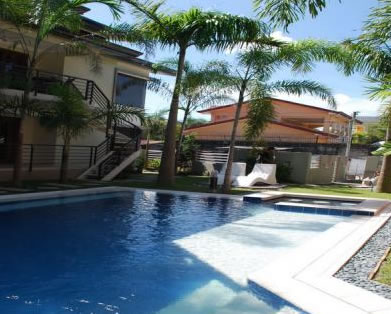
Property Type: Condo
Luxurious apartments, Philippines, this luxury development comprises of 12 units, all finished and ready to move in.
Property Terms: For Sale


|
Let your friends and colleagues know about this property.
|


Who Actually Controls the Development?
The company selling a property is not necessarily the company controlling every aspect of the development. Large projects can contain several layers of ownership and contractual relationships.
A master developer may control the overall land and infrastructure while individual developers construct separate buildings or residential phases. A landowner may contribute the site, while another company finances and develops the project. A hotel operator or management company may subsequently control part of the completed development.
For an international purchaser, these relationships should be identified before signing a contract. Establish the legal identity of the seller, the owner of the land and the entity responsible for construction and completion.
Also establish who will be responsible for shared infrastructure and facilities. Roads, utilities, landscaping, security, pools, community centres and commercial areas may fall under different ownership or management arrangements.
This is particularly important in master-planned communities, where the property being purchased may be only one component of a much larger development.
Land Ownership and Planning Approvals
A developer cannot deliver a project simply because it has acquired or controls land. The proposed use, density, building form and infrastructure may be subject to planning and development controls imposed by the relevant authorities.
International buyers should establish whether the developer has the legal rights to develop the land and whether the necessary approvals have been obtained for the particular property or phase being sold.
Planning approval for a wider master plan does not necessarily mean that every building, later phase or proposed facility has received all of its required permissions. The status of the individual property should therefore be checked separately.
Changes can also occur during the development process. Buildings may be redesigned, density may change, facilities may be relocated and later phases may be altered in response to planning requirements, engineering considerations or market conditions.
For development land, the investigation becomes even more important. The buyer needs to understand permitted uses, access, infrastructure, environmental restrictions and development feasibility before assigning value to a proposed project.
The IPD guide to Asia-Pacific development land provides the wider context for assessing land before development assumptions are incorporated into a purchase decision.
Developer Finance and Project Funding
Property development requires substantial capital before a project produces its final sales or operating income. Land acquisition, planning, construction, infrastructure, professional fees, marketing and finance all create financial commitments during the development cycle.
This makes project funding an important part of developer due diligence. A buyer should understand, where the information is available, how the project is financed and whether construction depends heavily on future sales.
Projects can also involve different financial arrangements from one jurisdiction to another. Buyer deposits, construction finance, escrow arrangements and payment schedules may be governed by local regulations and contractual structures.
International buyers should not assume that protections available in their home country apply to a development elsewhere in Asia-Pacific. The treatment of deposits, escrow funds, developer insolvency and incomplete projects needs to be established under the law governing the transaction.
The financial strength of the developer should also be considered alongside the project itself. A company may have substantial assets or previous experience while a particular project operates through a separate special-purpose company with its own financing arrangements.
Construction and Completion Risk
Construction is where the developer's plans become a physical property, but it is also where many practical uncertainties become visible. Labour availability, material costs, contractor performance, engineering problems, weather, infrastructure works and regulatory requirements can all affect delivery.
For an overseas buyer, the consequences of delay can extend beyond inconvenience. A purchaser may have arranged financing, sold another property, planned a relocation or calculated rental income around an expected completion date.
Before purchasing, establish the contractual completion date and understand what happens if the developer does not meet it. The contract should be reviewed for provisions covering extensions, compensation, cancellation, changes to specifications and the return or treatment of buyer funds.
Construction progress should also be assessed independently where appropriate. Marketing updates are useful, but they should not be treated as a substitute for professional verification of the physical condition and stage of construction.
A project that is visibly under construction is not necessarily a project that is financially or legally secure. Construction progress is one piece of the overall due diligence process.
Changes to the Property and Development Plan
Buying before completion means accepting that some elements of the final development may differ from the original presentation. Changes can occur to layouts, materials, landscaping, shared facilities and surrounding phases.
Some changes may be minor or necessary to address technical or regulatory requirements. Others can affect the property's value, appearance or intended use. The important question is whether the purchaser understands which features are contractual and which are illustrative or subject to change.
Computer-generated images and master plans should therefore be treated as representations of an intended development rather than evidence of an existing finished environment.
This becomes particularly relevant when purchasing in a large development that may take several years to complete. The surrounding land may remain under construction long after the individual property has been handed over.
Buyers should investigate the development plan, the remaining phases and the potential effect of future construction on views, access, traffic, privacy and the availability of amenities.
Developer Risk and Foreign Ownership
Foreign ownership should be established before the purchaser commits to a development rather than after the sales process has begun. Asia-Pacific countries have different rules governing ownership of land, apartments, houses and other forms of property by overseas purchasers.
The legal structure offered by a developer may also matter. A structure used for one type of property may not be appropriate or permitted for another. Leasehold, freehold, condominium ownership and company-based structures can carry different rights and obligations.
Buyers should obtain independent advice on the precise interest being acquired and how it will be registered. The relevant Asia-Pacific foreign ownership rules should be researched before substantial funds are committed.
The developer's preferred purchase structure should not be accepted simply because it is presented as the standard arrangement. The buyer needs to understand why the structure is being used and whether it provides the ownership and legal rights expected.
Contracts, Deposits and Buyer Protection
The purchase contract defines many of the rights and obligations that will apply if the development is delayed, changed or completed differently from the original proposal. For an overseas purchaser, this document can be more important than the sales brochure.
Review the payment schedule, deposit arrangements, completion provisions, permitted variations, cancellation rights, default provisions, warranties and handover requirements. Establish what happens to the purchaser's money if the project is abandoned, substantially delayed or unable to proceed.
Buyers should also understand whether payments are made directly to the developer, held in an escrow arrangement or handled through another mechanism. The precise protection depends on the jurisdiction and project structure.
Legal documents should be reviewed by an independent lawyer qualified in the relevant jurisdiction. A lawyer acting for the developer or sales company does not provide the same independent representation as a professional acting for the purchaser.
The IPD guide to property due diligence provides a broader framework for examining the legal, physical and commercial aspects of an overseas property purchase.
Developer Risk in Resort and Tourism Projects
Resort developments can create additional layers of developer risk because the residential property may depend on a wider tourism operation. Hotels, restaurants, leisure facilities, transport links and commercial services can all contribute to the intended environment.
A development may be marketed around a future resort concept even though some of its major components are still proposed. Buyers should identify which facilities are operating, which are under construction and which depend on later phases or other operators.
Tourism demand also changes the investment profile. A holiday property may be dependent on seasonal occupancy, visitor access and short-term rental regulations. The success of the development company does not automatically guarantee demand for the completed property.
IPD's guide to Asia-Pacific tourism development provides additional context for understanding the relationship between development, tourism infrastructure and property markets.
Developer Risk Versus Market Risk
It is useful to separate the question of whether a developer can deliver a project from whether the completed property will perform as expected in the market.
A developer may complete a building on time while the local market experiences weaker demand, increased competing supply or lower rental values. Equally, a strong property market cannot compensate for a project that encounters serious construction or financing problems.
International buyers should therefore investigate both sides. Developer research should cover the company, land, approvals, financing, construction and contracts. Market research should examine location, supply, demand, prices, rental conditions, infrastructure and the eventual resale market.
This distinction is particularly important when assessing investment property. A development can be successfully completed without producing the rental income or capital growth originally anticipated.
The wider Asia-Pacific property markets guide can be used to place an individual project within its local and regional market context.
A Developer Due Diligence Checklist
An international buyer can organise developer research around several practical questions. Who owns the land? Who is the legal seller? Which company is responsible for construction? What approvals have been obtained? How is the project financed? What stage is construction at? Which contractor is responsible for the work? What happens if completion is delayed?
The buyer should also ask which elements of the development are contractual, which facilities are proposed and who will manage the completed property. The developer's previous projects should be investigated alongside the specific project rather than used as a substitute for project-level research.
Where the purchase is intended as an investment, add questions about competing supply, rental demand, management costs and resale liquidity. Where it is intended as a home, investigate access, services, infrastructure and the timetable for completion of the wider community.
For overseas purchasers, the research should also include foreign ownership, taxation, currency exposure, transfer procedures and the availability of independent professional advice.
The objective is not to create an impression that every possible risk can be eliminated. Property development inherently involves future events. The purpose of due diligence is to identify which risks exist, which protections are available and which assumptions remain unverified before money becomes committed.
Researching a Developer Before Buying From Abroad
Developer risk is best assessed as part of a wider property research sequence. Start with the country and local market, establish the ownership rules and understand the location before examining the individual project.
Then investigate the developer, land ownership, planning status, financing, construction arrangements and purchase contract. Check the actual development against the marketing proposition and distinguish completed elements from proposed future facilities.
For an international buyer, independent legal and technical advice is particularly important where the property is unfinished, the development is large or the ownership structure is unfamiliar. The more money that is being committed before completion, the more important project-specific evidence becomes.
Developer reputation can be useful evidence, but it should never be the entire due diligence process. The relevant question is whether the developer, project structure and contractual protections provide a sufficiently clear understanding of what the buyer is actually purchasing.
Developer Risk Within the Asia-Pacific Property Research Framework
Property developer risk sits at the intersection of development, construction, finance, planning and property-market conditions. It is therefore particularly relevant when researching new-build, off-plan, resort, master-planned and large-scale development projects across Asia-Pacific.
The region contains mature property markets, rapidly expanding urban areas, emerging markets and smaller island economies. Development conditions can consequently differ substantially from one country to another. A developer assessment must always be connected to the legal, financial and planning environment in which the project operates.
For an overseas buyer, the most useful approach is to move from the broad market to the specific development, and then from the development to the individual property. This creates a clearer picture of the land, location, developer, construction programme, ownership structure and eventual property market.
Developer research should therefore be treated as an essential part of buying property from abroad, particularly where the property has not yet been completed. The objective is not simply to find a developer with an attractive project, but to understand the evidence behind the project and the obligations that will govern the purchase.
Asia Pacific Property Market Comparison by Key International Buyer Hotspots (2026)
| Location | Typical Property Types | Market Price Profile | Market Character |
|---|---|---|---|
| Singapore | Luxury apartments, condominiums, penthouses, landed homes, branded residences, investment properties | Premium to ultra-prime international tier Approx. USD ~$10,000 - $20,000+ per m² |
One of Asia's leading international residential and investment markets. Singapore combines a highly developed property sector, strong institutions, global financial connections and substantial international wealth. Prime districts command very high prices, while foreign ownership and additional buyer taxes are important considerations for overseas purchasers. |
| Hong Kong | Luxury apartments, high-rise residences, penthouses, serviced residences, waterfront homes, investment properties | Ultra-prime international tier Approx. USD ~$15,000 - $30,000+ per m² |
One of the world's most established high-value urban property markets. Hong Kong combines exceptional density, limited land supply, major financial activity and deep international connections. The market is heavily concentrated on apartments, with prime districts and luxury developments commanding exceptionally high prices. |
| Tokyo, Japan | City apartments, luxury residences, detached houses, investment apartments, branded residences, redevelopment projects | Premium to ultra-prime international tier Approx. USD ~$5,000 - $15,000+ per m² |
Tokyo is one of Asia Pacific's leading gateway markets for international capital. Its deep liquidity, transparency, infrastructure, tourism and diversified economy support strong international interest. Prime central districts and scarce luxury properties command substantial premiums, while the wider metropolitan market offers much greater variety. |
| Osaka and Kyoto, Japan | City apartments, traditional houses, luxury residences, investment properties, vacation homes, resort properties | Premium to international value tier Approx. USD ~$3,000 - $10,000+ per m² |
Osaka provides a large urban market with strong domestic and international demand, while Kyoto combines residential, tourism and heritage-driven property markets. Both benefit from Japan's established legal and infrastructure environment, with tourism and limited prime supply supporting selected locations. |
| Seoul, South Korea | Luxury apartments, high-rise residences, penthouses, urban investment properties, new developments | Premium to ultra-prime Asian tier Approx. USD ~$7,000 - $15,000+ per m² |
Seoul is one of East Asia's major metropolitan property markets, supported by a large domestic economy, technology sector, global cultural influence and substantial urban infrastructure. Prime districts can command very high prices, while government policy and foreign-buyer rules remain important considerations. |
| Taipei, Taiwan | City apartments, luxury residences, new-build apartments, investment properties, commercial-residential developments | Premium Asian urban tier Approx. USD ~$5,000 - $10,000+ per m² |
Taipei is Taiwan's principal international residential and business centre. The market combines a large established urban population with technology-sector wealth and substantial domestic demand. Prime central districts and newer luxury developments command significant premiums. |
| Shanghai, China | Luxury apartments, high-rise residences, villas, serviced residences, investment properties, new developments | Premium major-city tier Approx. USD ~$4,000 - $10,000+ per m² |
Shanghai is one of China's principal international business and property centres, with extensive high-rise residential development and a substantial domestic market. Prime districts offer luxury and investment opportunities, while overseas purchasers must consider China's specific property and ownership regulations. |
| Beijing, China | Luxury apartments, high-rise residences, villas, serviced residences, investment properties | Premium major-city tier Approx. USD ~$4,000 - $10,000+ per m² |
Beijing is a major political, business, technology and cultural centre with a large and established residential property market. International buyer participation is more regulated than in many Southeast Asian markets, while premium central districts and high-quality developments command substantial prices. |
| Bangkok, Thailand | Luxury condominiums, serviced apartments, penthouses, villas, investment properties, new developments | Value to premium international tier Approx. USD ~$2,000 - $6,000+ per m² |
Bangkok is Thailand's principal urban property market and one of Southeast Asia's largest international residential investment centres. Condominiums dominate the overseas-buyer market, with central Bangkok, riverside and luxury developments commanding premiums. Foreign ownership rules and condominium quotas are important considerations. |
| Phuket and Thai Resort Markets | Beachfront villas, resort apartments, condominiums, branded residences, holiday homes, investment properties | Value to premium resort tier Approx. USD ~$2,000 - $7,000+ per m² |
Phuket is one of Asia's best-known international resort property markets, attracting buyers from Europe, Asia, Australia, the Middle East and other regions. The market is dominated by villas, condominiums and resort developments, with beachfront, branded and established tourism locations commanding substantial premiums. |
| Kuala Lumpur, Malaysia | Luxury condominiums, apartments, serviced residences, penthouses, gated communities, investment properties | Value to premium Asian tier Approx. USD ~$1,500 - $4,500+ per m² |
Kuala Lumpur offers one of Southeast Asia's more accessible major-city property markets for international buyers. The city has a substantial supply of modern condominiums and serviced residences, with prime central districts and established expatriate areas offering higher-value opportunities. |
| Penang, Malaysia | Condominiums, waterfront apartments, landed homes, heritage properties, resort residences, investment properties | Value to premium lifestyle tier Approx. USD ~$1,500 - $4,000+ per m² |
Penang combines an established urban market with coastal, heritage and lifestyle property. George Town and the island's waterfront areas attract international residents, retirees and investors, while the market generally remains more accessible than Singapore and many major East Asian gateway cities. |
| Bali, Indonesia | Villas, resort residences, apartments, branded residences, holiday homes, hospitality-linked property | Value to premium international resort tier Approx. USD ~$1,500 - $5,000+ per m² |
Bali is one of Asia's strongest international lifestyle and tourism property markets. Demand is concentrated on villas, resort developments and tourism-linked investments in locations such as Canggu, Seminyak, Ubud and the Bukit Peninsula. Foreign ownership structures, land title and lease arrangements require particular attention. |
| Jakarta, Indonesia | Luxury apartments, condominiums, high-rise residences, gated communities, investment properties | Value to premium major-city tier Approx. USD ~$1,500 - $4,000+ per m² |
Jakarta is Indonesia's largest metropolitan property market and a major business centre. The market is primarily driven by domestic demand, with international interest concentrated in luxury apartments, central districts and investment properties. Foreign ownership structures differ significantly from freehold systems available in some other markets. |
| Manila, Philippines | Condominiums, luxury apartments, penthouses, serviced residences, investment properties, new developments | Value to premium international tier Approx. USD ~$2,000 - $5,000+ per m² |
Manila has one of Southeast Asia's largest urban residential markets, supported by population growth, business services, expatriate demand and substantial condominium development. International buyers are particularly active in condominium property, subject to foreign ownership limits and restrictions on land ownership. |
| Cebu and Philippine Resort Markets | Condominiums, beachfront residences, resort properties, villas, holiday homes, investment apartments | Value to premium resort tier Approx. USD ~$1,500 - $4,000+ per m² |
Cebu and other Philippine resort destinations provide a mixture of urban, coastal and tourism-led property markets. Condominiums are particularly relevant to international buyers, while beachfront and resort developments attract lifestyle and second-home demand. |
| Ho Chi Minh City, Vietnam | Luxury apartments, condominiums, serviced residences, new developments, investment properties | Value to premium emerging Asian tier Approx. USD ~$2,000 - $5,000+ per m² |
Ho Chi Minh City is Vietnam's largest commercial property market and a major destination for domestic and international investment. Rapid urbanisation, economic growth and new residential development have expanded the market, while foreign ownership limits and specific ownership terms remain important for overseas buyers. |
| Hanoi, Vietnam | Luxury apartments, condominiums, villas, gated communities, new developments, investment properties | Value to premium emerging Asian tier Approx. USD ~$1,500 - $4,000+ per m² |
Hanoi provides a large and increasingly sophisticated residential market supported by government, business and infrastructure investment. International demand is concentrated in modern apartments and selected higher-end developments, while foreign ownership regulations shape the available market. |
| Phnom Penh, Cambodia | Condominiums, serviced apartments, villas, gated communities, commercial-residential developments, investment properties | Value to emerging-market tier Approx. USD ~$1,500 - $3,500+ per m² |
Phnom Penh has developed a substantial condominium and modern residential sector alongside traditional villas and landed property. International interest is supported by urbanisation, regional investment and comparatively accessible pricing, although the market is smaller and less mature than Singapore, Bangkok or Kuala Lumpur. |
| Goa, India | Villas, apartments, resort residences, holiday homes, gated communities, investment properties | Value to premium lifestyle tier Approx. USD ~$1,000 - $3,500+ per m² |
Goa is one of India's most internationally recognisable lifestyle property markets, combining beaches, tourism, second homes and hospitality development. Demand is focused on villas, apartments and resort-style communities. India's rules for non-resident and foreign purchasers make legal and ownership structure particularly important. |
| Mumbai, India | Luxury apartments, high-rise residences, penthouses, branded residences, investment properties | Premium to ultra-prime Asian tier Approx. USD ~$3,000 - $10,000+ per m² |
Mumbai is India's principal financial centre and one of its highest-value residential markets. Luxury high-rise development, limited prime land and strong domestic wealth support high prices in established central and western districts. The market is substantially larger and more domestically driven than India's resort markets. |
| Delhi and National Capital Region, India | Luxury apartments, villas, gated communities, high-rise residences, investment properties, new developments | Premium major-city tier Approx. USD ~$1,500 - $5,000+ per m² |
Delhi and the wider National Capital Region form one of India's largest metropolitan property markets. Gurgaon and Noida have become major centres for modern residential development, business activity and international investment, while established Delhi neighbourhoods support high-value residential demand. |
| Maldives | Private-island resorts, beachfront villas, branded residences, resort residences, hotel-linked property | Premium to ultra-prime resort tier Approx. USD ~$4,000 - $15,000+ per m² |
The Maldives represents a highly specialised international resort property market dominated by luxury tourism, private-island developments and hospitality-linked residences. International demand is concentrated on high-end resort and lifestyle opportunities rather than conventional urban residential property. |
| Sri Lanka | Beachfront villas, apartments, resort properties, colonial homes, land, city residences | Value to premium lifestyle tier Approx. USD ~$800 - $3,000+ per m² |
Sri Lanka offers a diverse combination of coastal, resort, urban and heritage property. Colombo provides the principal modern residential market, while the south and west coasts attract international lifestyle and tourism demand. Pricing remains relatively accessible compared with many established Asian markets. |
| Sydney, Australia | Luxury apartments, penthouses, waterfront homes, detached houses, investment properties, new developments | Premium to ultra-prime international tier Approx. USD ~$7,000 - $18,000+ per m² |
Sydney is Australia's leading international residential property market and a major Asia Pacific gateway. Prime waterfront and inner-city locations command substantial prices, while the wider metropolitan market offers a large and diverse residential base. Foreign buyers face significant restrictions, particularly regarding established dwellings. |
| Melbourne, Australia | Luxury apartments, detached houses, townhouses, investment apartments, new developments | Premium international tier Approx. USD ~$4,000 - $10,000+ per m² |
Melbourne provides a large, diversified metropolitan property market supported by education, business, culture and migration. International demand has historically been significant, particularly in apartments and higher-value residential property, although foreign investment rules constrain some categories of purchase. |
| Brisbane and Queensland, Australia | Waterfront apartments, houses, luxury residences, resort properties, new developments, investment properties | Premium to value Australian tier Approx. USD ~$3,500 - $9,000+ per m² |
Brisbane and the wider Queensland market combine metropolitan, coastal and lifestyle property opportunities. Population growth, infrastructure investment and the state's tourism economy support international interest, while foreign residential investment remains subject to Australian ownership rules. |
| Auckland, New Zealand | Detached houses, apartments, waterfront homes, lifestyle properties, investment residences | Premium Pacific tier Approx. USD ~$3,500 - $8,000+ per m² |
Auckland is New Zealand's largest residential market and principal international gateway. The market combines urban apartments, suburban houses and high-value waterfront property. Overseas residential ownership is restricted, although policy changes have created specific pathways for certain high-value investor categories. |
| Fiji | Beachfront villas, resort residences, apartments, holiday homes, luxury developments, investment properties | Value to premium resort tier Approx. USD ~$1,500 - $5,000+ per m² |
Fiji provides a focused Pacific lifestyle and resort property market. International demand is concentrated around beachfront and tourism developments, particularly on Viti Levu and Denarau, with the market offering a very different profile from the large urban centres of Australia and New Zealand. |
| Macau | Luxury apartments, high-rise residences, serviced apartments, waterfront developments, investment properties | Premium international urban tier Approx. USD ~$6,000 - $10,000+ per m² |
Macau is a highly developed, densely built urban market closely linked to tourism, hospitality and the wider Greater Bay Area economy. Residential property is dominated by apartments and high-rise developments, with international connections but a market structure distinct from Hong Kong and mainland Chinese cities. |
Asia Pacific property markets vary enormously between countries, cities and individual developments. Singapore, Tokyo, Hong Kong, Seoul and Sydney represent established international gateway markets with deep property sectors, strong infrastructure and substantial international connections, while Bangkok, Kuala Lumpur, Bali, Manila and other Southeast Asian destinations provide different combinations of urban, investment, resort and lifestyle property. India, China, Japan and South Korea contain very large domestic markets alongside international investment opportunities. Cambodia, Vietnam, Sri Lanka, Fiji and other emerging or specialist markets provide additional opportunities but operate under very different ownership, regulatory and market conditions. The figures shown are broad indicative ranges rather than formal market averages: prime waterfront, branded, newly built and ultra-luxury properties can be considerably more expensive, while properties outside the principal international buyer locations can be substantially cheaper. For overseas buyers, foreign ownership rules, location, tenure, currency, rental demand, developer quality, infrastructure, taxation, residency options, financing conditions and market liquidity are important factors when comparing Asia Pacific property markets. Foreign ownership regulations can change, so buyers should verify the current rules applying to the specific property and buyer category before proceeding.
Major Asia Pacific Countries That Appeal to International Investors and Buyers:
Southeast Asia
 Cambodia Properties Growing urban and coastal markets attracting international buyers and investors.  Indonesia Properties Bali, Jakarta and other destinations offer apartments, villas and tourism-linked property opportunities.  Malaysia Properties Kuala Lumpur, Penang and other established markets attract international buyers and investors.  Philippines Properties Manila, Cebu and resort destinations offer apartments, condos and lifestyle property.  Singapore Properties A major international real estate centre with prime residential and investment markets.  Thailand Properties Bangkok, Phuket, Pattaya and other destinations attract substantial international property interest.  Vietnam Properties Major cities and coastal destinations offer growing opportunities for overseas buyers. East Asia
 China Properties Major metropolitan and coastal property markets with significant international connections.  Japan Properties Tokyo, Osaka, Kyoto and resort markets attract international residential investors.  South Korea Properties Seoul, Busan and other major markets offer urban and lifestyle property opportunities.  Taiwan Properties Taipei and other established markets offer apartments and residential investment opportunities. South Asia
 India Properties Mumbai, Delhi, Goa and other major markets attract overseas buyers and investors.  Maldives Properties Luxury resorts, islands and beachfront property create a distinctive international market.  Sri Lanka Properties Coastal, resort and city properties attract overseas buyers seeking lifestyle opportunities. Oceania & Pacific
 Australia Properties Sydney, Melbourne, Brisbane and major coastal markets have a long-established international profile.  Fiji Properties Beachfront and resort property provide a focused international lifestyle market.  New Zealand Properties Auckland, Wellington and lifestyle markets attract overseas buyers within regulated ownership rules. Territories
 Hong Kong Properties International property market and financial centre with a highly developed urban real estate sector. Territory.  Macau Properties Highly developed urban and resort property market with strong international connections. Territory. |
|

