
Property Development in China: A Guide to Real Estate Development
Property development in China is a complex market involving land-use rights, planning, construction, infrastructure, finance, developers and the eventual sale or operation of completed property. For international buyers and investors researching China from overseas, understanding how development works is essential before considering a new project, development investment or property purchased before completion.
China's development market is also highly local. The development environment in Shanghai is not the same as that in a provincial capital, manufacturing centre, tourism destination or smaller city. Land values, planning, demand, infrastructure, financing and the strength of local developers can all vary significantly.
For an overseas investor, the starting point should therefore be the development market and the legal structure of the project rather than the appearance or marketing of an individual development.
China's Property Development System
Urban real estate development in China operates within a system in which the underlying land is generally state-owned and developers obtain legally defined land-use rights for development.
The land-use right is therefore fundamental to a development project. The applicable land use, term, development conditions and obligations are established through the relevant land arrangements and planning framework.
This differs from a simple freehold land model. An international investor should establish exactly what rights the developer holds over the land and how those rights relate to the buildings that will eventually be constructed.
Land Comes Before the Development
Land is the foundation of a Chinese property development. Before a project can be assessed, the investor should understand how the developer obtained the relevant land-use rights and what the land can legally be used for.
Land-use rights for development are subject to planning and designated uses. Residential, commercial, industrial, tourism and other forms of development can have different requirements.
The proposed development should therefore be compared with the approved land use rather than simply with the developer's marketing description.

|
PHILIPPINES |
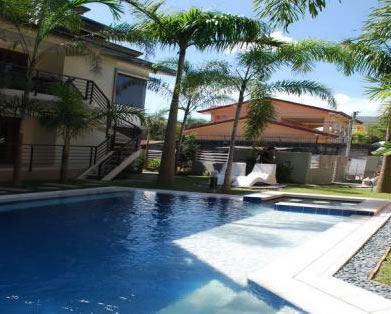
Property Type: Condo
Luxurious apartments, Philippines, this luxury development comprises of 12 units, all finished and ready to move in.
Property Terms: For Sale


|
Let your friends and colleagues know about this property.
|


Land-Use Rights and Development Terms
The remaining term of a land-use right can be relevant to the value and future use of a development. The investor should establish the original term, the commencement of the relevant rights and the position that will apply to the completed property.
This is particularly important when comparing older projects with newly acquired development land. Two apparently similar properties can have different underlying land arrangements.
Land-use rights should be verified through the project's official documentation rather than inferred from advertisements or informal descriptions.
Planning and Permitted Development
Chinese property development is closely connected to urban planning. A development project must conform to the applicable planning requirements, including its permitted use, scale and development conditions.
Planning controls can determine what can be built, the scale of construction, infrastructure requirements and the relationship between the project and surrounding development.
For an international investor, this means that proposed future development should be distinguished from development that already has the necessary approvals.
Residential Property Development
Residential development is one of the largest parts of China's property sector. Projects can range from individual apartment buildings to very large communities incorporating housing, retail, schools, public facilities and extensive infrastructure.
The scale of a residential project can influence both its appeal and its risk. A large project may provide extensive amenities and a substantial local market, but it can also introduce significant construction, financing, absorption and management requirements.
Buyers should therefore investigate the entire development rather than judging a unit independently from the project around it.
Mixed-Use Development
Mixed-use developments combine different property uses, such as residential, retail, offices, hotels and other commercial facilities.
These projects can create active neighbourhoods and provide residents with services close to their homes, but they also require more complicated planning and management.
An investor should establish exactly which component is being purchased and how it relates to the rest of the development. Residential ownership within a mixed-use project does not necessarily provide the same rights, costs or investment characteristics as ownership of a commercial component.
Commercial Development
Commercial development includes offices, retail centres, shops, business parks and other commercial property.
The success of a commercial development depends heavily on the economic activity supporting it. Developers and investors should examine employment, business formation, consumer demand, transport, competing developments and the existing commercial stock.
A newly constructed commercial building can add supply to a market that may already contain substantial vacant or underused space. Development potential should therefore always be assessed against existing competition.
Industrial and Logistics Development
Industrial and logistics development follows a different set of demand drivers from residential and office property.
Manufacturing clusters, ports, airports, highways, rail connections, distribution networks and access to major consumer markets can all influence the suitability of a location.
For logistics projects, the physical characteristics of the site and buildings can be particularly important. Site access, loading facilities, building configuration and transport connections need to be considered alongside the underlying land-use rights.
Tourism and Resort Development
Tourism development creates another distinctive part of China's property market. Projects can include hotels, resorts, serviced accommodation, retail, leisure facilities and residential property associated with tourism destinations.
The development case should be based on the underlying tourism economy rather than on projected visitor numbers alone. Transport access, seasonality, competing accommodation, local attractions and supporting infrastructure all affect demand.
International investors should be particularly careful when a project is marketed primarily through projected rental returns or future tourism growth.
The Role of the Developer
The developer is central to the success of a project. A development can have an attractive location and strong theoretical demand but still face problems if construction, financing or delivery is poorly managed.
International buyers should investigate the developer's experience, existing projects, ownership structure, financial position, construction record and history of completing developments.
Past projects should be examined where possible rather than relying solely on a developer's promotional material. The quality and delivery of completed developments can provide useful evidence about how the company operates.
Developer Financial Strength
Property development requires substantial capital throughout the development cycle. Land acquisition, planning, construction, infrastructure, marketing and financing all require funding before a project generates its final sales or operating income.
This makes developer financial strength an important part of project due diligence.
China's property-sector adjustment has demonstrated why the financial condition of a developer can matter as much as the location of a project. An international buyer should therefore assess the developer and project financing rather than assuming that a development will proceed simply because construction has begun.
Construction and Completion Risk
Buying into a development before completion creates construction risk. Delays can affect the buyer's plans, financing, rental expectations and eventual resale.
The investor should establish the project's construction status, expected completion arrangements, contractual delivery provisions and the parties responsible for construction and supervision.
Where a project is still at an early stage, the distinction between an approved project, a marketed project and a project under active construction should be made clear.
Infrastructure and Supporting Facilities
Large developments often depend on supporting infrastructure. Roads, public transport, schools, retail, healthcare, utilities and other facilities can influence the attractiveness of a project.
However, planned infrastructure should not be treated as existing infrastructure. A buyer should establish which facilities are operational, which are under construction and which remain proposed.
This is particularly important in newly developing districts where the surrounding environment may change substantially during the life of the project.
New Development and Pre-Completion Purchases
Buying property before completion can provide access to new buildings and a wider choice of units, but it requires more investigation than purchasing an established property.
The buyer is assessing not only the property but also the developer, project approvals, construction programme, contract, financing and eventual registration.
The buyer should establish what happens if completion is delayed, specifications change or the project cannot be delivered as originally planned. These issues should be addressed in the contractual documentation rather than left to informal assurances.
Development Sales and Buyer Demand
Developers need sufficient demand to absorb new housing and commercial space. An international investor should therefore investigate the actual market into which the project is being delivered.
Population growth can be useful background information, but it does not by itself prove that a development will sell or rent successfully. Employment, household formation, affordability, competing supply and infrastructure are often more useful indicators at the local level.
A development with substantial future supply around it may face a different market from an established neighbourhood where new construction is limited.
China's Development Pipeline
Development should be considered as a pipeline rather than a single completed product. Land acquisition is followed by planning and preparation, construction, marketing, completion and eventual occupation or operation.
At each stage, different risks become relevant. Early-stage projects have greater planning and financing uncertainty, while later-stage projects may have lower construction risk but still require investigation of title, contracts and completion.
Understanding the development stage helps an international investor compare projects that may appear similar but actually have very different risk profiles.
Urban Expansion and New Districts
Chinese cities have experienced extensive urban expansion, creating new districts and large-scale development areas.
These areas can offer modern infrastructure and large development opportunities, but they may initially have lower population density and less established commercial activity than older districts.
Investors should investigate how the new district fits into the wider city. The important question is not simply what is planned inside the development but how the area connects to established employment, transport and population centres.
Property Development and Transport
Transport infrastructure can have a major influence on development. Metro systems, rail connections, highways, airports and other infrastructure can change the accessibility of a district and influence where businesses and households choose to locate.
For development research, existing transport should be separated from planned infrastructure. A future connection may eventually influence demand, but the timing and final configuration should be independently verified.
Development Costs
The cost of developing property extends well beyond the acquisition of land-use rights. Developers can face planning, design, construction, infrastructure, financing, marketing, professional and administrative costs.
Changes in construction costs or financing conditions can affect the viability of a project, particularly where the development has been based on narrow projected margins.
An investor considering a development opportunity should understand the assumptions behind the project financial model rather than relying on a projected selling price alone.
Property Development and China's Market Adjustment
China's property sector has undergone a substantial adjustment, with changes in housing demand, developer financing, construction activity and buyer expectations.
This makes development analysis particularly important. A project that might have been viable under earlier market conditions may face different sales, financing or construction conditions later in the development cycle.
For international investors, current market conditions should therefore be examined alongside the fundamental characteristics of the development rather than assuming that historical sales performance will continue.
Foreign Investment in Chinese Development
International participation in Chinese property development requires careful consideration of the investment structure as well as the underlying real estate.
China's foreign investment framework uses a negative-list approach. Areas outside the applicable special restrictions are generally subject to national treatment, while activities within restricted areas can have additional requirements.
A foreign investor considering participation in a development company, joint venture or other commercial structure should therefore obtain advice on the specific investment arrangement rather than treating the project as equivalent to purchasing an individual residential property.
Foreign Buyers and New Developments
An overseas individual considering a new residential development should first establish whether the intended purchase is permitted under the rules applying to that buyer and location.
Being able to purchase a completed residential property for qualifying personal use does not automatically mean that every new development, investment structure or commercial project is available on the same basis.
Eligibility, intended use, local housing policies and the nature of the property should all be checked before paying a deposit.
See the IPD guide to buying property in China for the wider purchase process.
Development Approvals and Documentation
Development documentation should establish the legal basis for the project and the rights of the developer.
Depending on the project, this can involve land-use documentation, planning information, construction approvals, project contracts and other official records.
The investor should establish which approvals have already been obtained and which remain outstanding. A project that is being marketed before all relevant stages have been completed needs to be assessed accordingly.
Construction Quality and Inspection
Construction quality affects both the immediate value of a new property and its long-term maintenance costs.
International buyers should investigate the developer's construction record and, where possible, obtain independent inspection of completed units or buildings before accepting delivery.
Defects, finishing quality, building services and common-area condition should be assessed rather than assuming that a new building is automatically free of problems.
Registration After Development
Completion of construction is not the end of the property process. The completed property must be properly registered and the buyer should obtain the documentation establishing the relevant property rights.
China operates a registration system covering land-use rights and house ownership. The development process should therefore be assessed through to the point at which the buyer can receive the appropriate registration documentation.
International buyers should establish the expected registration process before committing to a new development.
Researching a Developer Before Buying
A developer investigation should begin with the company's identity and ownership structure and then move to its development record.
Look for completed projects that can be independently examined. Compare the developer's promises with what has actually been delivered in earlier developments. Examine the condition of completed buildings, the surrounding infrastructure and the way the developments have matured after occupation.
This can provide more useful evidence than promotional awards or descriptions of future projects.
Development Risk and Location
Location risk can remain significant even when the developer is financially strong. A project can be completed successfully but still struggle if the surrounding market does not develop as expected.
Investigate the existing population, employment base, transport, competing housing, commercial activity and development pipeline around the project.
The wider district is part of the development investment. A new building cannot be separated completely from the market in which it operates.
Development and Rental Property
Some developments are marketed to investors on the basis of future rental income. Such projections need to be tested against the actual rental market.
Compare proposed rents with existing comparable properties and investigate the amount of new rental supply expected in the area. A large development can create its own rental competition if a significant proportion of owners intend to let their units.
See the IPD China rental market guide for further research.
Development and Resale
The eventual resale market should be considered before purchasing a new development.
New properties can initially benefit from modern specifications and developer marketing, but buyers should also consider what the property will compete with once several similar developments have been completed.
Future supply can influence resale liquidity. A project in a district with extensive additional construction may face a different resale environment from a mature area where new supply is limited.
A Practical China Development Research Process
For an international investor, a useful development investigation can be divided into several stages. First, understand the city and local property market. Second, investigate the site and its surrounding development. Third, establish the land-use rights and permitted use. Fourth, investigate the developer and its financial and construction record.
Next, establish the project's planning and construction status, supporting infrastructure, financing and expected completion arrangements. Then review the purchase contract, payment schedule and registration process with independent professional advisers.
Only after these stages should the projected investment return be considered.
China Property Development Requires Project-Level Research
China offers a wide range of property development markets, from major metropolitan residential projects to commercial, industrial, logistics, tourism and mixed-use developments. Each is shaped by its own local economy, planning framework, land arrangements and demand.
For international buyers and investors, the most important distinction is between the development as it is marketed and the development as it is legally approved, financed, constructed and ultimately registered.
A development should therefore be researched from the land and planning stage through to completion and ownership. Investigating the developer, project approvals, land-use rights, construction, infrastructure, market demand and registration provides a much stronger basis for evaluating a Chinese property development than relying on the sales presentation alone.
Asia Pacific Property Market Snapshot
| Population | More than 4 billion people live across the broader Asia Pacific region, encompassing East Asia, Southeast Asia, South Asia, Australia, New Zealand and the Pacific island states. The precise geographical definition of Asia Pacific varies between organisations and sources |
|---|---|
| Area | Asia Pacific covers an extensive area stretching from South Asia and the Indian Ocean through East and Southeast Asia to Australia, New Zealand and the Pacific islands. Because regional definitions differ, the total area varies considerably between sources |
| Major Airports | Major international gateways include Singapore Changi, Hong Kong International, Tokyo Haneda and Narita, Seoul Incheon, Bangkok Suvarnabhumi, Kuala Lumpur International, Sydney, Melbourne, Auckland, Beijing Capital and Daxing, Shanghai Pudong, Delhi, Mumbai, Jakarta, Manila, Brisbane, Perth and major airports serving other regional centres |
| Currencies | Asia Pacific uses a wide range of national currencies. Major currencies include the Chinese yuan, Japanese yen, South Korean won, Singapore dollar, Australian dollar, New Zealand dollar, Indian rupee, Indonesian rupiah, Thai baht, Malaysian ringgit, Philippine peso and Vietnamese dong. Currency conditions, exchange-rate arrangements and restrictions on moving funds vary substantially between countries |
| Foreign Ownership | Foreign property ownership varies substantially across Asia Pacific and can differ according to nationality, property type, location, residency status and the structure of the purchase. Some markets provide relatively open access to residential or investment property, while others restrict foreign ownership of land or impose limits on apartments, houses, development land or agricultural property. International buyers should obtain independent local legal advice before purchasing |
| Major Property Markets | Major international property markets include Australia, Japan, Singapore, Hong Kong, China, South Korea, India, Thailand, Malaysia, Indonesia, Vietnam, the Philippines and New Zealand. Sydney, Melbourne, Brisbane, Tokyo, Osaka, Singapore, Hong Kong, Seoul, Bangkok, Kuala Lumpur, Jakarta, Bali, Manila, Ho Chi Minh City, Hanoi, Mumbai and Delhi are among the region's significant urban and investment markets |
| Main Overseas Buyers | International demand comes from a diverse mix of investors, expatriates, entrepreneurs, high-net-worth individuals, retirees, second-home buyers, lifestyle purchasers and people seeking residential property connected with employment, education or relocation. Important sources of overseas demand include neighbouring Asian countries, the Middle East, Europe, North America and Australia and New Zealand, together with substantial intra-regional investment |
| Tourism | Tourism is an important driver of property demand across much of Asia Pacific. Major tourism markets include Thailand, Indonesia, Japan, Australia, New Zealand, Vietnam, Malaysia, the Philippines and the Pacific islands. Beach resorts, tropical islands, cultural destinations, ski areas, major cities, cruise facilities and luxury hospitality developments support demand for hotels, serviced residences, vacation homes, branded residences and short-term rental property |
| Main Luxury Markets | Luxury property markets include Singapore, Hong Kong, Tokyo, Osaka, Sydney, Melbourne, Auckland, Seoul, Bangkok, Phuket, Bali, Jakarta, Kuala Lumpur, Mumbai and selected resort and island destinations across Thailand, Indonesia, Australia, New Zealand and the Pacific. Prime districts, waterfront locations, resort communities, branded residences and high-end new developments form important segments of the regional luxury market |
| Residency Routes | A number of Asia Pacific countries offer residence or migration routes connected with investment, employment, entrepreneurship, retirement, family circumstances or other qualifying criteria. Property ownership may support relocation or investment objectives in some markets, but buying property does not automatically provide residency. Eligibility, investment thresholds and programme conditions vary by country and can change over time |
| Property Taxes | Property taxes, stamp duty, transfer taxes, registration charges, land taxes, municipal charges, rental taxation, capital gains treatment and taxes affecting foreign buyers vary considerably across Asia Pacific. Some markets apply additional transaction taxes or surcharges to foreign purchasers, while others have different rules depending on property type and residency status. Buyers should assess acquisition, ownership, rental and disposal costs before purchasing |
| Investment Opportunities | Asia Pacific offers opportunities across apartments, houses, villas, luxury residences, beachfront property, resort developments, commercial real estate, hospitality, development land, new-build and off-plan projects. Major investment themes include established city markets in Australia, Japan, Singapore and South Korea; rapidly developing markets in Southeast Asia; major Indian cities; tourism destinations such as Thailand, Bali and the Pacific islands; and residential and lifestyle markets across Australia and New Zealand. Pricing, rental demand, infrastructure, taxation, regulation and foreign-buyer access vary considerably between countries and individual locations |
|

