
Asia-Pacific Property Management – Managing Rental Property and Investments
Property management becomes particularly important when an owner lives in another country. Across Asia-Pacific, rental property can range from city apartments and family houses to resort villas, holiday homes and mixed-use developments. Each requires a different approach to tenants, maintenance, inspections, administration and local services.
For an overseas property owner, management is not simply a matter of finding a tenant. Someone needs to deal with the property when the owner is not there, respond to problems, organise repairs, monitor the condition of the building and maintain communication with occupants. The management structure should therefore be considered before purchasing an income-producing property rather than after completion.
What Property Management Covers
Property management can cover a wide range of responsibilities. Depending on the property and agreement, a manager may advertise the property, find and screen tenants, prepare tenancy documentation, collect rent, arrange inspections, organise repairs, manage contractors and deal with tenant enquiries.
For overseas owners, the service can also provide a local point of contact when the owner cannot attend the property personally. The exact responsibilities vary between managers and markets, so an owner should establish precisely what is included rather than assuming that every property management service provides the same level of support.
Managing Property From Another Country
Distance changes the practical requirements of property ownership. A local owner may be able to inspect a property, meet a contractor or respond to a maintenance problem at short notice. An owner living overseas may need someone else to perform those tasks.
This is particularly relevant where the property is intended for rental. Tenants generally need a reliable local contact, while maintenance problems cannot always wait until the owner next visits the country.
The guide to managing property from abroad provides a wider framework for owners considering the practical implications of distance.
Long-Term Residential Property Management
Long-term rental property normally involves an ongoing relationship between the owner, tenant and manager. The manager may handle tenant enquiries, rent collection, inspections, repairs, renewals and the administration associated with changing occupants.
The requirements can differ according to whether the property is an apartment, condominium, house or villa. Larger properties may require more extensive maintenance, while apartments may involve building management and service charges in addition to the owner's own responsibilities.
The strength of the local rental market also matters. A manager operating in an established tenant market may have a different role from one working in a location where finding suitable occupants requires more active marketing.

|
PHILIPPINES |
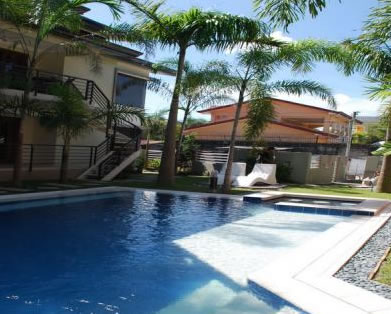
Property Type: Condo
Luxurious apartments, Philippines, this luxury development comprises of 12 units, all finished and ready to move in.
Property Terms: For Sale


|
Let your friends and colleagues know about this property.
|


Apartment and Condominium Management
Apartments and condominiums can be relatively straightforward to manage from overseas when the building has established management and maintenance systems. However, the owner still needs to understand the division of responsibilities between the building management, the property manager and the individual owner.
Building charges, common-area maintenance, lifts, security, shared facilities and major building repairs may fall partly or entirely outside the individual property manager's responsibilities. The owner should therefore establish who is responsible for each aspect of the property before agreeing a management arrangement.
The Asia-Pacific apartment property guide provides further context on buildings, facilities, rental demand and ownership considerations.
House and Villa Management
Houses and villas can involve more physical maintenance than apartments. Gardens, pools, roofs, external structures, driveways, utilities and security can all create additional management requirements.
Coastal and resort villas may require particularly regular inspections where properties are exposed to humidity, storms, salt air or periods of non-occupation. A management agreement should make clear how frequently the property is inspected and how maintenance issues are identified.
Where the property is also used as a second home, the manager may need to prepare it before the owner's arrival and check the property after departure. This creates a different management model from a property occupied continuously by a long-term tenant.
Finding and Managing Tenants
Tenant management begins before a tenancy starts. Advertising, enquiries, tenant selection, references, identity checks and tenancy documentation can all form part of the process.
The appropriate tenant profile depends on the location and property. A city apartment may attract local professionals, expatriates or students, while a larger house may be more suitable for families. Resort property can have an entirely different tenant or guest profile.
Owners should understand how prospective tenants are sourced and whether the manager relies on its own network, property portals, agents, corporate contacts or other marketing channels. The quality of tenant selection can affect both rental income and the condition of the property.
Rent Collection and Financial Administration
Rent collection is one of the most visible parts of property management, but the financial administration behind it can be equally important. Owners should know when rent is collected, when it is transferred to them, what currency is used and which management or banking charges are deducted.
Overseas owners may receive rental income in a local currency while their personal finances are maintained in another currency. Exchange-rate movements and transfer costs can therefore affect the amount ultimately received.
The currency and money transfers guide provides additional context for international owners receiving or moving property-related funds.
Maintenance and Repairs
Maintenance is one of the main reasons an overseas owner needs a reliable local management structure. Plumbing problems, electrical faults, appliance failures, leaks and other issues may require immediate attention.
A management agreement should establish how repairs are authorised. Minor repairs may be approved by the manager within a specified limit, while larger works may require the owner's approval. Clear procedures can reduce delays while retaining control over significant expenditure.
Owners should also understand whether the manager has preferred contractors and how contractor charges are checked. Where possible, larger maintenance projects should be supported by clear quotations and records of completed work.
Inspections and Property Condition
Regular inspections provide an opportunity to identify maintenance problems before they become more expensive. They can also help establish whether tenants are complying with the terms of the tenancy and whether the property remains in appropriate condition.
The frequency of inspections will depend on the type of property, tenancy arrangement and local rules. Holiday accommodation may require much more frequent checks than a long-term rental.
For an owner living abroad, inspection reports, photographs and documented maintenance records can provide useful evidence of what is happening at the property without requiring the owner to travel each time an issue arises.
Vacation and Short-Term Rental Management
Short-term rentals can require considerably more active management than conventional long-term accommodation. Guests may arrive and depart frequently, creating additional requirements for cleaning, linen, maintenance, check-in, check-out and communication.
Occupancy can also be seasonal. A manager may need to adjust marketing and pricing according to local demand, events and tourism patterns while ensuring that the property remains competitive against other accommodation.
Owners considering this model should establish whether short-term rental use is permitted. Local regulations, licensing requirements, planning rules and building management restrictions can affect whether a residential property may legally be operated as holiday accommodation.
The Asia-Pacific short-term rental guide provides further context on this type of rental operation.
Resort and Island Property Management
Resort and island properties can present additional management challenges because owners may be located a considerable distance from the property and the local infrastructure may be more limited than in major cities.
Some developments provide central management services for owners, while others allow owners to appoint independent managers. The distinction can be important because the management arrangement may affect rental marketing, maintenance, guest services, fees and the owner's ability to use the property personally.
Where a property is dependent on tourism, management capability can form an important part of the rental proposition. The resort property guide examines some of these characteristics in greater detail.
Property Management Costs
Property management is an operating cost and should be included when calculating the real return from a rental investment. Fees may be charged as a percentage of rental income, a fixed amount, or through a combination of management and individual service charges.
Additional costs can arise for tenant placement, renewals, inspections, maintenance coordination, emergency call-outs, cleaning, marketing and other services. Short-term rental management may involve a different fee structure because the manager is handling a larger number of guest-related tasks.
The important comparison is not simply the headline management percentage. Owners should establish the complete cost of operating the property and what services they receive in return.
Management and Rental Yield
Property management has a direct relationship with rental returns. A rental yield calculated from annual rent before expenses can look very different once management, maintenance, vacancy, insurance, taxes and building charges are included.
This is why management should be built into the financial assessment before purchasing the property. The Asia-Pacific rental yields guide explains the distinction between headline rental income and the wider economics of an income-producing property.
Management of New-Build and Off-Plan Property
New-build and off-plan property can create management questions before the rental operation has even started. The developer may offer a rental pool or central management service, while other projects leave the owner responsible for arranging a manager after completion.
Projected rental returns should not be treated as guaranteed income simply because they appear in development marketing. The future rental market, competing supply, management fees and actual operating costs all need to be considered.
The new-build property guide and off-plan property guide provide additional context for researching these properties.
Choosing a Property Manager
An overseas owner should investigate the manager in much the same way as any other professional service provider. Experience with the specific property type and location can be more useful than simply selecting a large company.
Questions can include how long the manager has operated locally, how many properties are managed, who will actually deal with the property, how emergencies are handled, how contractors are selected and how financial records are provided.
The proposed management agreement should also be read carefully. It should explain the services included, fees, additional charges, authority to approve repairs, handling of rental income, termination arrangements and responsibilities at the end of a tenancy.
Legal and Regulatory Responsibilities
Property management does not replace the owner's responsibility to understand the legal framework surrounding the property. Rental laws, tenancy rights, licensing, taxation, building regulations and short-term accommodation rules vary between Asia-Pacific markets.
Foreign ownership can introduce another layer of complexity. The right to purchase property does not necessarily answer every question about rental use, leasing arrangements or management.
The Asia-Pacific foreign ownership guide should therefore be considered alongside local legal and tax advice when assessing an overseas rental property.
Managing Property During Vacancy
A property needs attention even when nobody is renting it. Empty buildings can develop problems that remain unnoticed until significant damage has occurred. Water leaks, humidity, pests, electrical problems, security issues and weather-related damage can all become more serious when a property is unattended.
Regular inspections and basic preventative maintenance can therefore be particularly important for overseas owners. The management arrangement should specify what happens during vacant periods and who is responsible for monitoring the property.
Property Management and Personal Use
Second homes and holiday properties often have two competing objectives: personal use and rental income. Management arrangements need to accommodate both.
An owner may need the property available during particular periods, while a manager may be planning rental availability around periods of stronger demand. Owner bookings, cleaning, maintenance and preparation can all affect the rental calendar.
The Asia-Pacific second homes guide can be used to consider the wider relationship between personal use and property ownership.
Property Management as Part of the Investment
For an international owner, management is part of the property investment rather than an optional service added after purchase. The quality of local management can affect tenant relationships, maintenance, operating costs, rental continuity and the condition of the property.
This does not mean that every overseas property requires a full-service management company. Some owners may have trusted local contacts or may visit frequently enough to handle certain responsibilities themselves. The appropriate arrangement depends on distance, property type, rental model and the owner's ability to deal with local issues.
Researching Property Management Before Buying
Property management should be investigated alongside the property itself. Before committing to a rental investment, an overseas buyer can identify local management companies, compare their fee structures, understand what services they provide and establish how maintenance and emergencies are handled.
The research should then be incorporated into the financial model. Expected rent should be tested against management fees, vacancy, maintenance, insurance, taxes, building charges and other ownership costs. This provides a more realistic picture than using advertised rental income alone.
Managing Asia-Pacific Property From Abroad
Asia-Pacific contains a wide range of rental environments, from major metropolitan apartments to houses, resort villas and island properties. The management requirements differ accordingly, but the underlying principle is consistent: an overseas owner needs a reliable way to look after the property when they are not physically present.
Good property management connects the owner, tenant, building, contractors and local market. It can provide the practical infrastructure needed to operate an investment from another country, while clear financial and legal arrangements help the owner understand what the property is actually costing and producing.
Property management should therefore be researched at the same time as the rental market, property type and ownership structure. The wider Asia-Pacific rental markets provide the starting point for understanding where rental demand comes from, while individual property research determines what management arrangements are appropriate for the asset being considered.
Asia Pacific Residential Rental Yield Comparison by Key International Markets (2026)
| Location | Typical Rental Property | Indicative Gross Rental Yield | Rental Market Character |
|---|---|---|---|
| Singapore | Condominiums, luxury apartments, serviced residences, penthouses, landed homes and investment properties | Approx. 2.5% - 4% Prime luxury property generally toward the lower end |
Singapore is one of Asia's most established and expensive residential investment markets. High property prices tend to keep percentage rental yields relatively modest, although well-located smaller apartments can provide stronger income returns. Strong tenant demand, limited land and international business activity support a deep rental market. Current broad-market data places Singapore among Asia's lower-yield residential markets. |
| Hong Kong | City apartments, luxury apartments, serviced residences, penthouses, waterfront homes and investment properties | Approx. 2.5% - 4% | Hong Kong combines extremely high property values with a substantial long-term rental market. Smaller apartments and properties outside the most expensive districts can produce higher percentage yields than prime luxury residences. Current 2026 data indicates average gross residential yields of around the mid-3% range, making Hong Kong primarily a capital-intensive international market rather than a high-yield market. |
| Tokyo, Japan | City apartments, investment apartments, luxury residences, serviced apartments, detached homes and new developments | Approx. 3.5% - 5.5% Smaller investment apartments can be higher |
Tokyo has a deep and highly developed rental market supported by a huge metropolitan population, employment, tourism and international investment. Smaller apartments can provide stronger percentage yields than large luxury residences. Japan's established legal and infrastructure environment also makes Tokyo an important income-property market for international investors. Current broad Asian data places Japan around the mid-4% average range. |
| Osaka and Kyoto, Japan | City apartments, investment apartments, traditional houses, vacation homes, luxury residences and resort properties | Approx. 4% - 6% | Osaka generally offers a broader and more income-oriented rental market than Tokyo, while Kyoto has a stronger tourism and short-term accommodation component. Smaller apartments and properties close to transport and employment centres can produce attractive gross yields. Holiday letting can produce different revenues but involves greater management and seasonality. |
| Seoul, South Korea | Luxury apartments, high-rise residences, smaller investment apartments, serviced residences and new developments | Approx. 3.5% - 5% | Seoul is a large and sophisticated metropolitan rental market dominated by apartments. Prime residential values can compress percentage yields, while smaller units and locations outside the most expensive districts can provide stronger income returns. South Korea's major employment, technology and cultural centres support substantial rental demand. Broad 2026 data places South Korea around the low-to-mid 4% range. |
| Taipei, Taiwan | City apartments, smaller investment apartments, luxury residences, new-build apartments and mixed-use developments | Approx. 2% - 3.5% | Taipei is a mature urban rental market with strong domestic demand and substantial technology-sector employment. High purchase prices relative to rents limit gross yields, particularly in prime districts. Smaller apartments and properties outside the most expensive central areas can provide better income percentages. Current broad-market data places Taiwan toward the lower-yield end of Asia Pacific. |
| Shanghai, China | Luxury apartments, high-rise residences, serviced apartments, villas and investment properties | Approx. 2.5% - 4% | Shanghai has a large and sophisticated residential rental market supported by business, finance, technology and international employment. Prime property values tend to suppress gross yields, while smaller apartments and properties in established rental districts can produce stronger returns. China's broader residential rental market remains considerably more yield-oriented in some secondary locations than in Shanghai's prime districts. |
| Beijing, China | Luxury apartments, high-rise residences, villas, serviced residences and investment apartments | Approx. 2.5% - 4% | Beijing is a major employment and administrative centre with a large conventional rental market. Rental performance varies significantly between central luxury districts, established residential areas and outer metropolitan locations. Current broad-market data places China's residential yields below most Southeast Asian markets, with Beijing generally toward the lower end of the regional range. |
| Bangkok, Thailand | Condominiums, serviced apartments, luxury apartments, investment units, townhouses and new developments | Approx. 5% - 7% Smaller investment units can be higher |
Bangkok is one of Southeast Asia's major international rental and investment markets. Condominiums near mass transit, employment centres and established expatriate districts are particularly relevant to overseas investors. Current 2026 data places Thailand among the higher-yielding established Asian markets, with country-level gross yields around the mid-6% range. |
| Phuket and Thai Resort Markets | Resort apartments, condominiums, beachfront villas, branded residences, holiday homes and investment properties | Approx. 5% - 8% Short-term holiday yields can vary considerably |
Phuket combines long-term residential demand with a major international tourism and holiday-rental market. Well-located condominiums can produce attractive gross yields, while villas and luxury resort properties often rely more heavily on seasonal and short-term letting. Occupancy, management fees and tourism cycles can materially affect actual returns. |
| Kuala Lumpur, Malaysia | Condominiums, serviced residences, luxury apartments, investment units, penthouses and gated developments | Approx. 4.5% - 6% | Kuala Lumpur provides one of Southeast Asia's more accessible major-city investment markets. Large condominium and serviced-residence supply provides a wide choice of rental property. Central business districts, established expatriate areas and properties close to transport can attract stronger tenant demand. Current broad-market data places Malaysia around the mid-5% gross-yield range. |
| Penang, Malaysia | Condominiums, waterfront apartments, serviced residences, landed homes, heritage properties and resort residences | Approx. 4% - 6% | Penang combines conventional residential demand with tourism, expatriate and lifestyle rental markets. Apartments and condominiums in established locations can provide reasonable gross rental returns, while premium waterfront and heritage properties may produce lower percentage yields. The market is generally more accessible than Singapore. |
| Bali, Indonesia | Villas, resort residences, apartments, branded residences, holiday homes and tourism-linked properties | Approx. 6% - 10% Short-term villa yields can vary substantially |
Bali is one of Asia's major international lifestyle and tourism rental markets. Villas and resort residences can produce strong gross rental income where occupancy is high, particularly in established tourism areas. However, short-term rental performance is highly dependent on seasonality, management, furnishing, local regulations and operating costs. Current Indonesia-wide data is among the highest in Asia Pacific. |
| Jakarta, Indonesia | Luxury apartments, condominiums, serviced residences, investment apartments and high-rise developments | Approx. 6% - 9% | Jakarta has a substantial urban rental market supported by business, employment and expatriate demand. Apartments can provide relatively strong gross yields compared with the city's purchase prices, particularly in established business and expatriate districts. Indonesia's current broad-market residential yield is among the strongest in Asia Pacific, although individual Jakarta properties vary considerably. |
| Manila, Philippines | Condominiums, apartments, serviced residences, investment units, penthouses and new developments | Approx. 4.5% - 6% | Manila has a large condominium rental market supported by business services, expatriate employment, population growth and tourism. Smaller units in locations close to employment and transport can produce stronger yields than premium residences. Current Philippine residential yield data is around the 5% level on a broad-market basis. |
| Cebu and Philippine Resort Markets | Condominiums, resort apartments, beachfront residences, villas, holiday homes and investment properties | Approx. 5% - 8% Holiday rentals can produce higher gross revenues |
Cebu combines a conventional urban rental market with tourism and resort demand. Condominiums close to employment, universities and transport can provide relatively consistent long-term rental income, while resort properties depend more heavily on tourism, occupancy and seasonal demand. Management and operating costs should be assessed carefully. |
| Ho Chi Minh City, Vietnam | Luxury apartments, condominiums, serviced residences, investment apartments and new developments | Approx. 3% - 5% | Ho Chi Minh City has a large and expanding apartment rental market supported by business, manufacturing, professional employment and expatriate demand. Prime luxury developments generally produce lower percentage yields than more affordable investment apartments. Current Vietnam-wide gross residential yields are around the high-3% range, with individual city districts varying substantially. |
| Hanoi, Vietnam | Luxury apartments, condominiums, serviced residences, villas, gated communities and investment properties | Approx. 3% - 5% | Hanoi has a substantial conventional rental market alongside growing demand for modern apartments and expatriate-oriented housing. Yields vary by district, property type and purchase price. Modern apartments in established employment and international districts can provide stronger rental performance than high-end luxury residences. |
| Phnom Penh, Cambodia | Condominiums, serviced apartments, apartments, villas, gated communities and investment properties | Approx. 6% - 9% | Phnom Penh is one of the more income-oriented emerging residential markets in the region. Condominium and serviced-apartment developments provide a substantial rental-investment sector, while lower purchase prices can support higher gross yields than the mature gateway markets. Cambodia's broad 2026 residential yield is among the highest in Asia Pacific. |
| Goa, India | Villas, apartments, resort residences, holiday homes, gated communities and investment properties | Approx. 4% - 7% | Goa combines conventional residential rentals with tourism and seasonal holiday accommodation. Villas and apartments in established tourism areas can generate attractive gross income, but occupancy can vary considerably through the year. Long-term and short-term rental economics should be assessed separately. |
| Mumbai, India | Luxury apartments, high-rise residences, smaller investment apartments, serviced residences and branded residences | Approx. 3.5% - 5.5% | Mumbai is one of India's highest-value residential markets, with strong rental demand from financial, professional and business sectors. High capital values limit percentage yields in many prime districts, while smaller apartments and properties in established rental locations can produce stronger income returns. India's broad residential yield is currently around the 5% level. |
| Delhi and National Capital Region, India | Apartments, luxury residences, gated communities, villas, serviced apartments and investment properties | Approx. 4% - 6% | Delhi and the wider National Capital Region provide a large and diversified rental market. Gurgaon and Noida have developed substantial modern apartment sectors linked to business and technology employment. Smaller investment apartments can offer stronger percentage yields than premium family residences and large villas. |
| Maldives | Resort residences, beachfront villas, branded residences, private-island properties and hotel-linked accommodation | Approx. 4% - 8% Highly dependent on resort performance and management structure |
The Maldives is a specialist luxury tourism property market rather than a conventional urban rental market. Rental income is closely linked to resort occupancy, tourism performance, management agreements and the structure of branded or hotel-linked residences. Gross income figures should therefore not be compared directly with conventional long-term residential yields. |
| Sri Lanka | Beachfront villas, apartments, resort residences, furnished apartments, city residences and holiday homes | Approx. 4% - 7% | Sri Lanka combines conventional urban rental demand with tourism and coastal holiday accommodation. Colombo provides the main long-term residential market, while southern and western coastal areas have greater exposure to tourism and seasonal demand. Villas and holiday properties can produce different gross returns from conventional apartments. |
| Sydney, Australia | Apartments, luxury apartments, waterfront residences, detached houses, townhouses and investment properties | Approx. 3.5% - 5.5% Smaller apartments generally toward the upper end |
Sydney is a mature and highly developed rental market with strong long-term tenant demand but very high property values. Apartments generally provide higher percentage yields than detached houses and prime waterfront residences. Current 2026 market data shows Sydney apartment yields around the mid-4% to mid-5% range depending on location and unit size. |
| Melbourne, Australia | Apartments, detached houses, townhouses, investment apartments and new developments | Approx. 3.5% - 5.5% | Melbourne provides a large diversified rental market supported by employment, education, population growth and international students. Apartments generally provide stronger gross yields than higher-value detached houses. Current Australian data places the broad market around the 5% level, although city and property-type differences are substantial. |
| Brisbane and Queensland, Australia | Apartments, houses, waterfront properties, townhouses, resort residences and investment properties | Approx. 3.5% - 5.5% | Brisbane and Queensland combine metropolitan, coastal and lifestyle rental markets. Population growth and constrained housing supply have supported rental demand, while coastal and tourism markets introduce additional seasonal factors. Current market conditions vary considerably between Brisbane, Gold Coast, Sunshine Coast and other Queensland locations. |
| Auckland, New Zealand | Apartments, detached houses, townhouses, waterfront homes, lifestyle properties and investment residences | Approx. 3.5% - 5% | Auckland has New Zealand's largest conventional residential rental market. Detached houses form a major part of the rental stock, while apartments can provide higher percentage yields in selected locations. Current broad-market data places New Zealand around the low-4% range, with substantial variation between Auckland neighbourhoods and property types. |
| Fiji | Beachfront villas, resort apartments, resort residences, holiday homes and investment properties | Approx. 4% - 7% Tourism properties can vary considerably |
Fiji provides a specialist resort and lifestyle rental market rather than a large conventional urban investment market. Rental performance is closely linked to tourism, occupancy, resort management and location. Beachfront and resort properties can generate attractive gross income, but management and seasonal costs can be significant. |
| Macau | High-rise apartments, luxury residences, serviced apartments, waterfront developments and investment properties | Approx. 1.5% - 3% | Macau is a highly developed and densely built residential market with strong connections to tourism, hospitality and the wider Greater Bay Area. Very high property values relative to residential rents result in relatively low gross yields compared with Southeast Asian markets. Current broad-market data places Macau among Asia Pacific's lowest-yield residential markets. |
Rental yields shown are broad indicative gross rental yields for 2026 and are intended as a market comparison guide rather than formal investment forecasts. Gross yield is generally calculated from annual rental income divided by the property's purchase price before service charges, maintenance, management fees, vacancy, insurance, taxes, financing costs and other ownership expenses. Current Asia Pacific data shows substantial differences between markets: Indonesia and Cambodia are among the higher-yield markets, while Singapore, Hong Kong, Taiwan and Macau generally produce lower percentage yields because of high property values relative to rents. Japan, Thailand, Malaysia, India and the Philippines occupy a broad middle range, although individual cities and property types can vary considerably. Apartments and smaller investment units often produce higher percentage yields than large houses, prime waterfront properties and ultra-luxury residences. Short-term and holiday rentals can produce different gross revenues but involve greater management requirements, seasonality, furnishing costs, vacancy risk and operating expenses. Resort markets such as Bali, Phuket, the Maldives and Fiji should not be directly compared with conventional long-term residential markets without considering occupancy and management arrangements. Overseas buyers should consider purchase price, rental demand, occupancy, service charges, taxation, ownership rules, currency movements, financing, property management, liquidity and local market conditions before relying on any rental-yield figure. Rental yields and property regulations can change, so current local data should be verified before making an investment decision.
Major Asia Pacific Countries That Appeal to International Investors and Buyers:
Southeast Asia
 Cambodia Properties Growing urban and coastal markets attracting international buyers and investors.  Indonesia Properties Bali, Jakarta and other destinations offer apartments, villas and tourism-linked property opportunities.  Malaysia Properties Kuala Lumpur, Penang and other established markets attract international buyers and investors.  Philippines Properties Manila, Cebu and resort destinations offer apartments, condos and lifestyle property.  Singapore Properties A major international real estate centre with prime residential and investment markets.  Thailand Properties Bangkok, Phuket, Pattaya and other destinations attract substantial international property interest.  Vietnam Properties Major cities and coastal destinations offer growing opportunities for overseas buyers. East Asia
 China Properties Major metropolitan and coastal property markets with significant international connections.  Japan Properties Tokyo, Osaka, Kyoto and resort markets attract international residential investors.  South Korea Properties Seoul, Busan and other major markets offer urban and lifestyle property opportunities.  Taiwan Properties Taipei and other established markets offer apartments and residential investment opportunities. South Asia
 India Properties Mumbai, Delhi, Goa and other major markets attract overseas buyers and investors.  Maldives Properties Luxury resorts, islands and beachfront property create a distinctive international market.  Sri Lanka Properties Coastal, resort and city properties attract overseas buyers seeking lifestyle opportunities. Oceania & Pacific
 Australia Properties Sydney, Melbourne, Brisbane and major coastal markets have a long-established international profile.  Fiji Properties Beachfront and resort property provide a focused international lifestyle market.  New Zealand Properties Auckland, Wellington and lifestyle markets attract overseas buyers within regulated ownership rules. Territories
 Hong Kong Properties International property market and financial centre with a highly developed urban real estate sector. Territory.  Macau Properties Highly developed urban and resort property market with strong international connections. Territory. |
|

