
Asia-Pacific Short-Term Rentals – Holiday Lets, Property and Investment
Short-term rental property is an important part of many Asia-Pacific real estate markets, particularly in major cities, coastal destinations, resort areas and tourism-led locations. Apartments, villas, houses, serviced residences and other properties can be rented for nights, weeks or shorter stays rather than through conventional long-term tenancy agreements.
For international property owners, short-term rentals can provide a different income model from conventional residential letting. They can also allow greater flexibility for personal use. However, the financial and practical characteristics are different, with greater dependence on visitor demand, occupancy, seasonality, management and local accommodation rules.
Asia-Pacific should not be treated as one short-term rental market. The reasons visitors choose a property in Tokyo, Bangkok, Bali, Sydney, Phuket or a Pacific island destination can be completely different. Successful research therefore begins with the location and the source of demand before moving to the individual property.
What Are Short-Term Rentals?
Short-term rentals provide accommodation for visitors or other temporary occupants for periods shorter than a conventional residential tenancy. Depending on the market, this can include holiday apartments, private villas, furnished houses, serviced apartments and accommodation within resort developments.
The operating model can range from an owner managing bookings directly to a professional property manager or hospitality operator handling reservations, cleaning, maintenance and guest services.
The distinction between short-term and long-term rental is important because the permitted use, management requirements, costs and applicable regulations may be different.
Where Short-Term Rental Demand Comes From
Tourism is one of the principal sources of short-term rental demand across Asia-Pacific. Visitors may travel for beaches, cultural attractions, food, business, events, outdoor activities, family holidays or other reasons.
Major cities can have several sources of temporary accommodation demand. Business travellers, tourists, people visiting family and guests attending events may all use short-term accommodation. Resort and island markets can have a stronger dependence on leisure tourism.
The Asia-Pacific rental markets guide provides wider context on how different sources of rental demand operate across the region.

|
PHILIPPINES |
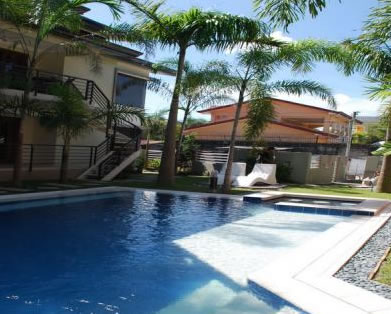
Property Type: Condo
Luxurious apartments, Philippines, this luxury development comprises of 12 units, all finished and ready to move in.
Property Terms: For Sale


|
Let your friends and colleagues know about this property.
|


Holiday Apartments and Serviced Residences
Apartments are widely used for short-term accommodation because they can provide kitchens, living areas and other facilities that appeal to visitors staying for several nights or longer.
Serviced apartments can operate between conventional residential accommodation and hotels, often combining private living space with services such as reception, cleaning or shared facilities. Their operating arrangements can vary considerably between developments.
Before purchasing an apartment for short-term rental, buyers should establish whether the building permits this form of accommodation. Management rules, development agreements and local regulations may all affect how an individual unit can be used.
The Asia-Pacific apartments guide provides further information on apartments as a property type.
Villas and Houses for Short-Term Rental
Houses and villas can provide a different short-term rental proposition, particularly in coastal, island and resort destinations. Larger properties may appeal to families and groups looking for additional bedrooms, private outdoor space, pools or greater privacy.
The operating costs can also be higher. Gardens, swimming pools, larger interiors, utilities, security and maintenance all need to be considered when calculating the cost of running the property.
Location remains important. A large villa may have strong appeal if it provides convenient access to beaches, attractions and services, but size alone does not create rental demand.
Investors considering this segment can also review the IPD guides to Asia-Pacific houses and resort property.
City Short-Term Rental Markets
Urban short-term rentals operate differently from holiday destinations. A city may attract visitors throughout the year because of business, tourism, education, healthcare, events and cultural activity.
Location within the city can have a significant effect on demand. Central districts, transport hubs, business areas and neighbourhoods close to major attractions can serve different visitor groups from suburban locations.
Investors should examine the actual accommodation market in the neighbourhood rather than rely on the reputation of the wider city. A strong tourism destination can still contain locations where short-term accommodation demand is limited or where competition is particularly high.
Coastal and Island Short-Term Rentals
Coastal and island destinations are particularly associated with short-term rental property. Beachfront apartments, villas, resort residences and private holiday homes can all form part of the accommodation market.
These locations can benefit from strong tourism appeal but may also be more exposed to seasonality, weather conditions, transport disruption and environmental risks. Access to airports, ferry services and local infrastructure can be particularly important on islands.
Beachfront property may command a premium, but the investment calculation should account for maintenance and insurance as well as the potential rental rate.
See the IPD guides to beachfront property and island property when researching these markets.
Short-Term Rentals and Tourism Seasonality
Short-term rental income can fluctuate substantially through the year. Visitor demand may be affected by climate, school holidays, festivals, major events, travel seasons and other factors specific to the destination.
A property may achieve high nightly rates during peak periods but experience substantially lower occupancy outside those periods. An annual income calculation should therefore use a realistic occupancy pattern rather than extrapolating from the strongest weeks.
Investors should also allow for periods when the property is unavailable because of maintenance, owner use, cleaning or other operational requirements.
Occupancy and Nightly Rates
Two of the most important variables in short-term rental investment are occupancy and the achievable nightly rate. They need to be considered together because a high advertised rate is of limited value if comparable accommodation remains vacant.
Comparable properties should be examined according to location, size, quality, facilities, guest capacity and season. A premium property should not automatically be compared with a basic apartment simply because both are located in the same destination.
Projected income should also distinguish between gross booking revenue and the amount eventually received by the owner after management, platform, cleaning, maintenance and other costs.
Short-Term Rental Investment
Short-term rental property can form part of an income-oriented investment strategy, but the investment should be assessed as an operating property rather than simply as a residential asset.
The investor needs to understand the relationship between purchase price, achievable nightly rates, occupancy, operating costs and the potential resale value of the property. A strong tourism market can support demand, but high property prices or substantial operating expenses can reduce the actual return.
The Asia-Pacific rental investment guide provides a broader framework for assessing rental property as an investment.
Short-Term Rentals and Foreign Ownership
International buyers need to establish whether they can legally acquire the property before considering its rental potential. Foreign ownership rules differ substantially throughout Asia-Pacific and can vary according to property type, land rights, location, nationality and residency status.
Ownership and short-term rental rights are separate questions. A foreign purchaser may be permitted to acquire an apartment, for example, while the building or local authority may impose restrictions on short-term letting.
These questions should be investigated for the exact property and location. The Asia-Pacific foreign ownership guide provides the broader ownership framework.
Regulation of Short-Term Accommodation
Short-term accommodation can be subject to local regulations that do not apply in the same way to conventional residential rentals. Requirements can include registration, licences, permits, safety standards, tax reporting or restrictions on the number of days a property can be rented.
Rules can also vary within the same country. National legislation may be supplemented by municipal requirements, tourism regulations or building-specific rules.
This makes local verification essential. An advertisement stating that a property is suitable for holiday rental is not proof that the intended rental activity is permitted.
Building and Development Rules
Condominium and resort developments can impose their own restrictions on short-term accommodation. Building management may regulate guest access, minimum stays, registration, use of shared facilities or the involvement of outside management companies.
Some developments are specifically designed around hospitality or managed rental programmes, while others are primarily residential and may not accommodate frequent guest turnover.
The buyer should obtain and review the relevant rules and agreements before purchasing. The practical ability to operate a rental can be just as important as the legal ability to own the property.
Managing a Short-Term Rental
Short-term accommodation generally requires more active management than a conventional long-term tenancy. Guest enquiries, reservations, check-in, cleaning, linen, maintenance and departures all need to be coordinated.
An overseas owner may therefore need a local management company or trusted local team. Management fees should be incorporated into the financial calculation from the beginning.
The owner should understand exactly what the manager provides, how fees are calculated, how additional expenses are authorised and how rental income is reported. The managing property from abroad guide covers the wider practical issues involved in remote ownership.
Operating Costs
Short-term rental properties can have a wider range of operating expenses than conventional residential rentals. Cleaning and turnover costs occur more frequently, while utilities may be paid by the owner rather than the guest.
Other costs can include management, booking fees, advertising, maintenance, insurance, building charges, furnishing, internet, landscaping and pool servicing. Larger properties can have correspondingly greater maintenance requirements.
These costs should be deducted from projected booking income when assessing the investment. Gross revenue can give a misleading impression if operating expenses are substantial.
Personal Use and Short-Term Rental Income
Some international buyers purchase holiday property for both personal use and rental income. This can make the property more useful to the owner, but personal occupation reduces the number of nights available for paying guests.
The timing of owner use can also matter. Using the property during peak tourism periods may have a larger effect on annual rental income than using it during quieter months.
The investment calculation should therefore reflect the owner's actual plans rather than assuming that every available night can be rented.
New-Build and Off-Plan Short-Term Rental Property
New developments are often marketed towards buyers seeking modern holiday accommodation and rental income. New apartments, villas and resort residences may offer facilities designed around visitors and second-home owners.
Off-plan purchases require additional research because the rental market may change between purchase and completion. Competing developments may also introduce significant new accommodation before the property becomes operational.
Buyers should investigate the developer, construction timetable, management structure, contract, intended use and expected competing supply. The off-plan property guide provides a wider framework for assessing these risks.
Short-Term Rental Property and Location
Location remains one of the strongest influences on short-term accommodation demand. Visitors generally want convenient access to the attractions, beaches, business districts, transport and services that are relevant to their trip.
Proximity should be considered in practical terms. A property that is technically close to an attraction may still be inconvenient if roads, public transport or pedestrian access are poor.
Investors should examine the immediate neighbourhood, surrounding accommodation, transport options and future development rather than relying solely on a destination's international reputation.
Short-Term Rental Risks
Short-term rental income can be affected by changes in tourism, competition, regulation, operating costs and the wider economy. New accommodation entering a market can put pressure on occupancy or nightly rates, while changes to short-term rental regulations can affect the permitted use of existing properties.
Coastal and island properties may also face environmental and infrastructure risks. Storms, flooding, erosion and access disruption can affect both rental operations and the underlying property.
The wider Asia-Pacific property risks section provides a framework for considering these issues.
Short-Term Rental Property and Resale
The future resale market should be considered when buying a short-term rental. A property may appeal to investors, second-home buyers and owner-occupiers, but the potential buyer pool can depend on the property's location, ownership structure and permitted use.
Properties that rely on a particular short-term rental arrangement should be assessed for how transferable that arrangement is. Management contracts, building rules, lease terms and local regulations can all affect the future marketability of the property.
The exit and liquidity guide provides additional context on planning for the eventual disposal of an investment.
Researching a Short-Term Rental Investment
A useful research process starts with the destination and the reason visitors travel there. The next step is to identify the relevant accommodation market and establish whether short-term rentals are permitted for the property being considered.
Comparable properties should then be examined for nightly rates, occupancy patterns, facilities and location. The investor can calculate potential gross income and deduct management, cleaning, maintenance, utilities, insurance, taxes, building charges, vacancy and other relevant costs.
For an overseas buyer, the process should also include foreign ownership, title, contracts, currency, professional advice and arrangements for managing the property from abroad.
Asia-Pacific Short-Term Rental Research
Short-term rental property provides access to a broad range of Asia-Pacific accommodation markets, from city apartments and serviced residences to beachfront villas, island homes and resort property. The underlying investment characteristics depend on the location, visitor market, property type and operating structure.
For international buyers, the key is to separate tourism appeal from actual rental performance. A popular destination can contain strong and weak rental locations, while an attractive property may still face restrictions, high operating costs or substantial competing supply.
The Asia-Pacific rental property section provides the wider route into rental investment, vacation rentals, long-term rentals, rental yields and property management, while the Asia-Pacific property markets guide can be used to research the country and location before evaluating individual short-term rental properties.
Asia Pacific Residential Rental Yield Comparison by Key International Markets (2026)
| Location | Typical Rental Property | Indicative Gross Rental Yield | Rental Market Character |
|---|---|---|---|
| Singapore | Condominiums, luxury apartments, serviced residences, penthouses, landed homes and investment properties | Approx. 2.5% - 4% Prime luxury property generally toward the lower end |
Singapore is one of Asia's most established and expensive residential investment markets. High property prices tend to keep percentage rental yields relatively modest, although well-located smaller apartments can provide stronger income returns. Strong tenant demand, limited land and international business activity support a deep rental market. Current broad-market data places Singapore among Asia's lower-yield residential markets. |
| Hong Kong | City apartments, luxury apartments, serviced residences, penthouses, waterfront homes and investment properties | Approx. 2.5% - 4% | Hong Kong combines extremely high property values with a substantial long-term rental market. Smaller apartments and properties outside the most expensive districts can produce higher percentage yields than prime luxury residences. Current 2026 data indicates average gross residential yields of around the mid-3% range, making Hong Kong primarily a capital-intensive international market rather than a high-yield market. |
| Tokyo, Japan | City apartments, investment apartments, luxury residences, serviced apartments, detached homes and new developments | Approx. 3.5% - 5.5% Smaller investment apartments can be higher |
Tokyo has a deep and highly developed rental market supported by a huge metropolitan population, employment, tourism and international investment. Smaller apartments can provide stronger percentage yields than large luxury residences. Japan's established legal and infrastructure environment also makes Tokyo an important income-property market for international investors. Current broad Asian data places Japan around the mid-4% average range. |
| Osaka and Kyoto, Japan | City apartments, investment apartments, traditional houses, vacation homes, luxury residences and resort properties | Approx. 4% - 6% | Osaka generally offers a broader and more income-oriented rental market than Tokyo, while Kyoto has a stronger tourism and short-term accommodation component. Smaller apartments and properties close to transport and employment centres can produce attractive gross yields. Holiday letting can produce different revenues but involves greater management and seasonality. |
| Seoul, South Korea | Luxury apartments, high-rise residences, smaller investment apartments, serviced residences and new developments | Approx. 3.5% - 5% | Seoul is a large and sophisticated metropolitan rental market dominated by apartments. Prime residential values can compress percentage yields, while smaller units and locations outside the most expensive districts can provide stronger income returns. South Korea's major employment, technology and cultural centres support substantial rental demand. Broad 2026 data places South Korea around the low-to-mid 4% range. |
| Taipei, Taiwan | City apartments, smaller investment apartments, luxury residences, new-build apartments and mixed-use developments | Approx. 2% - 3.5% | Taipei is a mature urban rental market with strong domestic demand and substantial technology-sector employment. High purchase prices relative to rents limit gross yields, particularly in prime districts. Smaller apartments and properties outside the most expensive central areas can provide better income percentages. Current broad-market data places Taiwan toward the lower-yield end of Asia Pacific. |
| Shanghai, China | Luxury apartments, high-rise residences, serviced apartments, villas and investment properties | Approx. 2.5% - 4% | Shanghai has a large and sophisticated residential rental market supported by business, finance, technology and international employment. Prime property values tend to suppress gross yields, while smaller apartments and properties in established rental districts can produce stronger returns. China's broader residential rental market remains considerably more yield-oriented in some secondary locations than in Shanghai's prime districts. |
| Beijing, China | Luxury apartments, high-rise residences, villas, serviced residences and investment apartments | Approx. 2.5% - 4% | Beijing is a major employment and administrative centre with a large conventional rental market. Rental performance varies significantly between central luxury districts, established residential areas and outer metropolitan locations. Current broad-market data places China's residential yields below most Southeast Asian markets, with Beijing generally toward the lower end of the regional range. |
| Bangkok, Thailand | Condominiums, serviced apartments, luxury apartments, investment units, townhouses and new developments | Approx. 5% - 7% Smaller investment units can be higher |
Bangkok is one of Southeast Asia's major international rental and investment markets. Condominiums near mass transit, employment centres and established expatriate districts are particularly relevant to overseas investors. Current 2026 data places Thailand among the higher-yielding established Asian markets, with country-level gross yields around the mid-6% range. |
| Phuket and Thai Resort Markets | Resort apartments, condominiums, beachfront villas, branded residences, holiday homes and investment properties | Approx. 5% - 8% Short-term holiday yields can vary considerably |
Phuket combines long-term residential demand with a major international tourism and holiday-rental market. Well-located condominiums can produce attractive gross yields, while villas and luxury resort properties often rely more heavily on seasonal and short-term letting. Occupancy, management fees and tourism cycles can materially affect actual returns. |
| Kuala Lumpur, Malaysia | Condominiums, serviced residences, luxury apartments, investment units, penthouses and gated developments | Approx. 4.5% - 6% | Kuala Lumpur provides one of Southeast Asia's more accessible major-city investment markets. Large condominium and serviced-residence supply provides a wide choice of rental property. Central business districts, established expatriate areas and properties close to transport can attract stronger tenant demand. Current broad-market data places Malaysia around the mid-5% gross-yield range. |
| Penang, Malaysia | Condominiums, waterfront apartments, serviced residences, landed homes, heritage properties and resort residences | Approx. 4% - 6% | Penang combines conventional residential demand with tourism, expatriate and lifestyle rental markets. Apartments and condominiums in established locations can provide reasonable gross rental returns, while premium waterfront and heritage properties may produce lower percentage yields. The market is generally more accessible than Singapore. |
| Bali, Indonesia | Villas, resort residences, apartments, branded residences, holiday homes and tourism-linked properties | Approx. 6% - 10% Short-term villa yields can vary substantially |
Bali is one of Asia's major international lifestyle and tourism rental markets. Villas and resort residences can produce strong gross rental income where occupancy is high, particularly in established tourism areas. However, short-term rental performance is highly dependent on seasonality, management, furnishing, local regulations and operating costs. Current Indonesia-wide data is among the highest in Asia Pacific. |
| Jakarta, Indonesia | Luxury apartments, condominiums, serviced residences, investment apartments and high-rise developments | Approx. 6% - 9% | Jakarta has a substantial urban rental market supported by business, employment and expatriate demand. Apartments can provide relatively strong gross yields compared with the city's purchase prices, particularly in established business and expatriate districts. Indonesia's current broad-market residential yield is among the strongest in Asia Pacific, although individual Jakarta properties vary considerably. |
| Manila, Philippines | Condominiums, apartments, serviced residences, investment units, penthouses and new developments | Approx. 4.5% - 6% | Manila has a large condominium rental market supported by business services, expatriate employment, population growth and tourism. Smaller units in locations close to employment and transport can produce stronger yields than premium residences. Current Philippine residential yield data is around the 5% level on a broad-market basis. |
| Cebu and Philippine Resort Markets | Condominiums, resort apartments, beachfront residences, villas, holiday homes and investment properties | Approx. 5% - 8% Holiday rentals can produce higher gross revenues |
Cebu combines a conventional urban rental market with tourism and resort demand. Condominiums close to employment, universities and transport can provide relatively consistent long-term rental income, while resort properties depend more heavily on tourism, occupancy and seasonal demand. Management and operating costs should be assessed carefully. |
| Ho Chi Minh City, Vietnam | Luxury apartments, condominiums, serviced residences, investment apartments and new developments | Approx. 3% - 5% | Ho Chi Minh City has a large and expanding apartment rental market supported by business, manufacturing, professional employment and expatriate demand. Prime luxury developments generally produce lower percentage yields than more affordable investment apartments. Current Vietnam-wide gross residential yields are around the high-3% range, with individual city districts varying substantially. |
| Hanoi, Vietnam | Luxury apartments, condominiums, serviced residences, villas, gated communities and investment properties | Approx. 3% - 5% | Hanoi has a substantial conventional rental market alongside growing demand for modern apartments and expatriate-oriented housing. Yields vary by district, property type and purchase price. Modern apartments in established employment and international districts can provide stronger rental performance than high-end luxury residences. |
| Phnom Penh, Cambodia | Condominiums, serviced apartments, apartments, villas, gated communities and investment properties | Approx. 6% - 9% | Phnom Penh is one of the more income-oriented emerging residential markets in the region. Condominium and serviced-apartment developments provide a substantial rental-investment sector, while lower purchase prices can support higher gross yields than the mature gateway markets. Cambodia's broad 2026 residential yield is among the highest in Asia Pacific. |
| Goa, India | Villas, apartments, resort residences, holiday homes, gated communities and investment properties | Approx. 4% - 7% | Goa combines conventional residential rentals with tourism and seasonal holiday accommodation. Villas and apartments in established tourism areas can generate attractive gross income, but occupancy can vary considerably through the year. Long-term and short-term rental economics should be assessed separately. |
| Mumbai, India | Luxury apartments, high-rise residences, smaller investment apartments, serviced residences and branded residences | Approx. 3.5% - 5.5% | Mumbai is one of India's highest-value residential markets, with strong rental demand from financial, professional and business sectors. High capital values limit percentage yields in many prime districts, while smaller apartments and properties in established rental locations can produce stronger income returns. India's broad residential yield is currently around the 5% level. |
| Delhi and National Capital Region, India | Apartments, luxury residences, gated communities, villas, serviced apartments and investment properties | Approx. 4% - 6% | Delhi and the wider National Capital Region provide a large and diversified rental market. Gurgaon and Noida have developed substantial modern apartment sectors linked to business and technology employment. Smaller investment apartments can offer stronger percentage yields than premium family residences and large villas. |
| Maldives | Resort residences, beachfront villas, branded residences, private-island properties and hotel-linked accommodation | Approx. 4% - 8% Highly dependent on resort performance and management structure |
The Maldives is a specialist luxury tourism property market rather than a conventional urban rental market. Rental income is closely linked to resort occupancy, tourism performance, management agreements and the structure of branded or hotel-linked residences. Gross income figures should therefore not be compared directly with conventional long-term residential yields. |
| Sri Lanka | Beachfront villas, apartments, resort residences, furnished apartments, city residences and holiday homes | Approx. 4% - 7% | Sri Lanka combines conventional urban rental demand with tourism and coastal holiday accommodation. Colombo provides the main long-term residential market, while southern and western coastal areas have greater exposure to tourism and seasonal demand. Villas and holiday properties can produce different gross returns from conventional apartments. |
| Sydney, Australia | Apartments, luxury apartments, waterfront residences, detached houses, townhouses and investment properties | Approx. 3.5% - 5.5% Smaller apartments generally toward the upper end |
Sydney is a mature and highly developed rental market with strong long-term tenant demand but very high property values. Apartments generally provide higher percentage yields than detached houses and prime waterfront residences. Current 2026 market data shows Sydney apartment yields around the mid-4% to mid-5% range depending on location and unit size. |
| Melbourne, Australia | Apartments, detached houses, townhouses, investment apartments and new developments | Approx. 3.5% - 5.5% | Melbourne provides a large diversified rental market supported by employment, education, population growth and international students. Apartments generally provide stronger gross yields than higher-value detached houses. Current Australian data places the broad market around the 5% level, although city and property-type differences are substantial. |
| Brisbane and Queensland, Australia | Apartments, houses, waterfront properties, townhouses, resort residences and investment properties | Approx. 3.5% - 5.5% | Brisbane and Queensland combine metropolitan, coastal and lifestyle rental markets. Population growth and constrained housing supply have supported rental demand, while coastal and tourism markets introduce additional seasonal factors. Current market conditions vary considerably between Brisbane, Gold Coast, Sunshine Coast and other Queensland locations. |
| Auckland, New Zealand | Apartments, detached houses, townhouses, waterfront homes, lifestyle properties and investment residences | Approx. 3.5% - 5% | Auckland has New Zealand's largest conventional residential rental market. Detached houses form a major part of the rental stock, while apartments can provide higher percentage yields in selected locations. Current broad-market data places New Zealand around the low-4% range, with substantial variation between Auckland neighbourhoods and property types. |
| Fiji | Beachfront villas, resort apartments, resort residences, holiday homes and investment properties | Approx. 4% - 7% Tourism properties can vary considerably |
Fiji provides a specialist resort and lifestyle rental market rather than a large conventional urban investment market. Rental performance is closely linked to tourism, occupancy, resort management and location. Beachfront and resort properties can generate attractive gross income, but management and seasonal costs can be significant. |
| Macau | High-rise apartments, luxury residences, serviced apartments, waterfront developments and investment properties | Approx. 1.5% - 3% | Macau is a highly developed and densely built residential market with strong connections to tourism, hospitality and the wider Greater Bay Area. Very high property values relative to residential rents result in relatively low gross yields compared with Southeast Asian markets. Current broad-market data places Macau among Asia Pacific's lowest-yield residential markets. |
Rental yields shown are broad indicative gross rental yields for 2026 and are intended as a market comparison guide rather than formal investment forecasts. Gross yield is generally calculated from annual rental income divided by the property's purchase price before service charges, maintenance, management fees, vacancy, insurance, taxes, financing costs and other ownership expenses. Current Asia Pacific data shows substantial differences between markets: Indonesia and Cambodia are among the higher-yield markets, while Singapore, Hong Kong, Taiwan and Macau generally produce lower percentage yields because of high property values relative to rents. Japan, Thailand, Malaysia, India and the Philippines occupy a broad middle range, although individual cities and property types can vary considerably. Apartments and smaller investment units often produce higher percentage yields than large houses, prime waterfront properties and ultra-luxury residences. Short-term and holiday rentals can produce different gross revenues but involve greater management requirements, seasonality, furnishing costs, vacancy risk and operating expenses. Resort markets such as Bali, Phuket, the Maldives and Fiji should not be directly compared with conventional long-term residential markets without considering occupancy and management arrangements. Overseas buyers should consider purchase price, rental demand, occupancy, service charges, taxation, ownership rules, currency movements, financing, property management, liquidity and local market conditions before relying on any rental-yield figure. Rental yields and property regulations can change, so current local data should be verified before making an investment decision.
Major Asia Pacific Countries That Appeal to International Investors and Buyers:
Southeast Asia
 Cambodia Properties Growing urban and coastal markets attracting international buyers and investors.  Indonesia Properties Bali, Jakarta and other destinations offer apartments, villas and tourism-linked property opportunities.  Malaysia Properties Kuala Lumpur, Penang and other established markets attract international buyers and investors.  Philippines Properties Manila, Cebu and resort destinations offer apartments, condos and lifestyle property.  Singapore Properties A major international real estate centre with prime residential and investment markets.  Thailand Properties Bangkok, Phuket, Pattaya and other destinations attract substantial international property interest.  Vietnam Properties Major cities and coastal destinations offer growing opportunities for overseas buyers. East Asia
 China Properties Major metropolitan and coastal property markets with significant international connections.  Japan Properties Tokyo, Osaka, Kyoto and resort markets attract international residential investors.  South Korea Properties Seoul, Busan and other major markets offer urban and lifestyle property opportunities.  Taiwan Properties Taipei and other established markets offer apartments and residential investment opportunities. South Asia
 India Properties Mumbai, Delhi, Goa and other major markets attract overseas buyers and investors.  Maldives Properties Luxury resorts, islands and beachfront property create a distinctive international market.  Sri Lanka Properties Coastal, resort and city properties attract overseas buyers seeking lifestyle opportunities. Oceania & Pacific
 Australia Properties Sydney, Melbourne, Brisbane and major coastal markets have a long-established international profile.  Fiji Properties Beachfront and resort property provide a focused international lifestyle market.  New Zealand Properties Auckland, Wellington and lifestyle markets attract overseas buyers within regulated ownership rules. Territories
 Hong Kong Properties International property market and financial centre with a highly developed urban real estate sector. Territory.  Macau Properties Highly developed urban and resort property market with strong international connections. Territory. |
|

