
Remote Living in Asia-Pacific – Property and Lifestyle Guide
Remote living has changed the way some international buyers approach property in Asia-Pacific. A home no longer needs to be close to an employer or major business centre if work can be conducted online. This creates opportunities to consider smaller cities, coastal communities, islands, rural areas and other locations that may previously have been impractical for someone with an international career.
However, remote living is not simply a choice between a city and a beach. The suitability of a property depends on connectivity, electricity, transport, healthcare, shopping, security, climate, maintenance and access to everyday services. A location that works well for a short holiday may be considerably less suitable for someone who needs to work there throughout the year.
For an overseas buyer, remote living should therefore be treated as both a property decision and a location decision. The right property is one that supports the way the buyer intends to work and live rather than simply providing an attractive setting.
What Makes a Location Suitable for Remote Living?
Remote workers can potentially live in many different parts of Asia-Pacific, but infrastructure varies considerably. Major cities generally provide the widest choice of internet providers, healthcare, banking, transport, restaurants and professional services. Smaller communities can provide more space, lower density and a stronger lifestyle environment but may require more careful investigation.
The best remote-living location is often a compromise. A buyer may not need to live in the centre of a major city, but being within practical reach of a well-established town can make everyday life considerably easier.
For international buyers still deciding between countries or regions, the wider living in Asia-Pacific guide provides a starting point for comparing different environments.
Internet Connectivity Is Part of the Property
For someone working online, internet connectivity should be treated as an essential property requirement. Broadband availability can vary between countries, towns, neighbourhoods and individual buildings, while mobile coverage can also differ significantly between urban and remote areas.
International buyers should verify the actual service available at the property rather than relying on a general statement that internet is available in the area. The relevant questions include the type of connection, expected speeds, reliability, provider options and whether a second connection can be used as a backup.
Satellite services and mobile data can provide additional options in locations where conventional broadband is limited, but their suitability depends on the buyer's work. Video meetings, cloud applications, large file transfers and other demanding activities require more dependable connectivity than occasional browsing.
City Remote Living
Major cities remain attractive for remote workers because they provide infrastructure that can be difficult to reproduce elsewhere. Cities across Asia-Pacific offer extensive apartment markets, cafés, coworking facilities, restaurants, healthcare, international schools, airports and other services.
Urban property can also make international living easier for buyers who are unfamiliar with the country. Public transport and established service networks can reduce the need for a private vehicle, while international communities may make the transition easier.
The trade-off is that major cities generally involve higher property costs, greater population density and a less secluded lifestyle. Remote workers who do not need to commute may therefore find that a secondary city or suburban location provides a better balance.

|
PHILIPPINES |
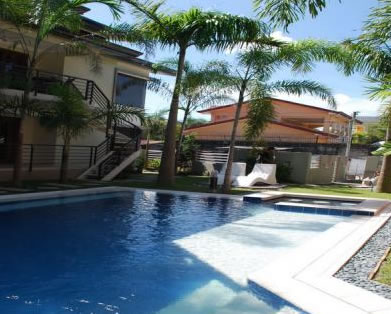
Property Type: Condo
Luxurious apartments, Philippines, this luxury development comprises of 12 units, all finished and ready to move in.
Property Terms: For Sale


|
Let your friends and colleagues know about this property.
|


Coastal Remote Living
Coastal living is one of the strongest lifestyle attractions in Asia-Pacific. Thailand, Indonesia, the Philippines, Vietnam, Malaysia, Sri Lanka, Australia, New Zealand and numerous Pacific island markets all contain coastal property environments with very different characteristics.
A coastal property can provide an attractive combination of work and leisure, but international buyers should distinguish between established coastal communities and genuinely isolated locations. A tourism destination may have strong internet, healthcare, restaurants and transport, while a smaller beach community may have considerably fewer services.
Climate and environmental conditions also need to be considered. Humidity, heavy rainfall, coastal flooding, storms and salt exposure can affect both the property and its maintenance requirements. IPD's wider Asia-Pacific climate and property risk guide can be considered alongside the location research.
Island Living and Remote Property
Island property can be particularly attractive to remote workers because it offers privacy, scenery and a strong separation from conventional urban life. Asia-Pacific contains a large number of island markets, from major tourism destinations to small Pacific communities.
The practical difference between island and mainland living can nevertheless be substantial. Internet may be available but less resilient, electricity interruptions may be more difficult to resolve, and specialist healthcare or major shopping may require travel off the island.
Transport should therefore be assessed in terms of actual journey options rather than straight-line distance. Ferry schedules, airports, seasonal weather and road connections can all influence how practical an island property is for permanent living.
Rural and Countryside Remote Living
Remote work can make rural property more accessible to international buyers who previously needed to remain close to urban employment centres. Rural areas can offer larger properties, more land, lower density and a different pace of life.
However, rural property normally requires greater independence. Buyers may need to manage longer journeys to hospitals, shops and government services, while utilities, internet, waste collection and property maintenance may require more direct involvement.
The important distinction is between rural living and complete isolation. A property outside a major city but within reasonable reach of a functioning town may offer many of the lifestyle advantages of rural living without creating the same practical challenges.
Electricity and Utilities
Reliable electricity is just as important as internet connectivity for someone working remotely. Computers, routers, mobile devices, air conditioning and other equipment can make continuous power particularly important in warm climates.
International buyers should investigate the reliability of electricity in the specific location and consider whether the property has backup arrangements. Solar power, batteries, generators and other systems can provide additional resilience, but they also create maintenance and ownership costs.
Water supply is another consideration, particularly for rural, island and detached properties. The source of water, storage capacity, treatment arrangements and reliability should be established before purchasing a property intended for year-round occupation.
Workspace and Property Design
A property designed for occasional holidays may not provide an effective working environment. Remote workers should consider whether there is a quiet room or dedicated workspace, reliable electrical supply, suitable natural light, ventilation and enough space for equipment.
A spare bedroom may work for occasional remote work, while someone operating a business from home may require a substantially more professional arrangement. Sound insulation can also become important when video meetings and calls are part of the working day.
In hot or humid environments, air conditioning and ventilation may also affect productivity and running costs. These practical details can be more important to a remote worker than features that receive greater attention in conventional property marketing.
Healthcare and Remote Living
Healthcare becomes particularly relevant when remote living means moving away from a major city. A buyer should identify the nearest general medical facilities, pharmacies and appropriate hospitals before choosing a remote property.
This is especially important for long-term residents, families and retirees. The nearest medical facility may be relatively close on a map but considerably less accessible because of road conditions, traffic, ferries or limited transport.
Healthcare should therefore be assessed as part of the location rather than treated as a separate issue after the property has been selected. IPD's healthcare and property guide provides a broader framework for this research.
Remote Living and Transport
Not having a daily commute does not eliminate the importance of transport. Remote residents still need to reach airports, shops, medical facilities, government offices, schools and other services.
Some buyers may be comfortable owning a car or motorcycle, while others may prefer a location with public transport or established taxi and ride-hailing services. The availability of transport can become particularly important if more than one person lives in the property and not everyone can drive.
International buyers should test actual journey times during a property visit rather than relying only on distances shown on maps. A property that appears close to a city may involve a substantially longer journey during normal traffic conditions.
Remote Living and Cost of Living
Remote living can provide opportunities to choose a lower-cost location, but a lower property price does not automatically mean lower living costs. Transport, imported goods, electricity, internet, healthcare, insurance and property maintenance can all affect the household budget.
Remote island locations can be particularly sensitive to the cost and availability of imported goods. Rural properties may have lower housing costs but higher transport and maintenance requirements.
International buyers should compare the complete cost of living rather than focusing on property prices alone. IPD's Asia-Pacific cost of living guide provides a wider framework for assessing these differences.
Buying Property for Remote Living
The intended use of the property should be established before beginning the purchase process. A remote worker buying a permanent home may have different requirements from an investor buying a property to rent to other remote workers.
Buyers should assess ownership rules, property title, permitted use, taxes, insurance, financing and local regulations alongside the physical characteristics of the property. Foreign ownership restrictions can also vary considerably between Asia-Pacific countries.
IPD's foreign buyers guide can be used to understand the wider ownership issues before narrowing the search to an individual property.
Managing Property From Abroad
Remote living does not always mean permanent residence. Some international buyers may divide their time between countries and leave their Asia-Pacific property unoccupied for part of the year.
This creates a different management requirement. Security, cleaning, maintenance, gardening, utilities, insurance and emergency repairs may need to be handled by local professionals when the owner is overseas.
Before buying a property that will sometimes be empty, buyers should establish whether reliable local property management is available. IPD's guide to managing property from abroad covers the wider practical issues involved.
Remote Living and Residency
Being able to work remotely does not automatically provide a right to live in another country. Immigration and residency rules remain separate from property ownership, and the ability to purchase property does not necessarily provide permission to reside or work there indefinitely.
International buyers should establish the appropriate immigration status before making long-term plans around a property. Employment, business activity, taxation and residency can also interact in ways that differ between countries.
For buyers planning a permanent move, IPD's Asia-Pacific residency and property guide provides a useful starting point for understanding the relationship between property and residency.
Remote Living for Families
Remote living can work well for families, but the practical requirements are broader than those of a single remote worker. Schools, healthcare, childcare, transport, recreation and social connections can all influence the choice of location.
A family may initially be attracted to a rural or coastal property but discover that everyday journeys become difficult once school and healthcare requirements are considered. An established regional town may provide a better balance between lifestyle and services.
The same principle applies to property size. A home that works well for one person with a laptop may not provide enough private workspace, storage or living space for a family spending most of its time there.
Security and Remote Property
Security should be assessed at property and community level. A remote location may provide privacy but can also mean fewer neighbours and longer response times for assistance.
International owners should consider locks, alarms, lighting, gates, cameras where appropriate and arrangements for monitoring the property when they are away. Local advice can be valuable because security requirements vary significantly between countries and communities.
Security should be considered alongside property insurance and emergency arrangements rather than as an isolated issue.
Climate and Remote Living
Climate has a direct effect on the experience and cost of remote living. Tropical locations may require substantial air conditioning, while monsoon seasons can affect roads, utilities and connectivity. Typhoons and cyclones can create additional risks in parts of East Asia, Southeast Asia and the Pacific.
International buyers should investigate both normal climate conditions and exceptional events. The construction quality of the property, drainage, roof design, elevation, access roads and insurance availability can all become important.
Climate should also be considered from a maintenance perspective. Humidity, heat, salt air and heavy rainfall can increase wear on buildings and outdoor equipment.
Remote Living and Community
Working remotely can reduce the need to live in a major employment centre, but it can also increase the importance of community. Someone working alone from home may spend much of the day without the social interaction that comes naturally with a conventional workplace.
Established international communities, coworking spaces, cafés and local social networks can therefore be valuable. This does not mean that buyers need to live in an expatriate district, but they should consider how they expect to build social connections after relocating.
Community can also influence how easy it is to obtain recommendations for tradespeople, property managers, healthcare providers and other local services.
Second Homes and Remote Work
Remote working can make a second home more useful because the property can potentially serve as both a working base and a leisure destination. However, the owner still needs to consider how the property will be managed when it is vacant.
Some buyers may also consider short-term rental when they are not using the property. This introduces additional questions about local rental regulations, building rules, management and taxation. A property suitable for personal remote living is not automatically suitable for tourist rental.
Buyers considering this model should research Asia-Pacific second homes alongside the relevant rental and ownership rules.
Remote Living and Property Investment
Remote-living demand can create opportunities for property investors in locations that attract international professionals, entrepreneurs and long-term visitors. Apartments, houses, villas and serviced residences may all appeal to this market depending on local regulations and demand.
However, investors should avoid assuming that the remote-work trend automatically creates strong rental demand. Internet quality, transport, local employment, tourism, housing supply and regulations all influence the potential market.
Rental property should therefore be researched at local level, using actual rental evidence rather than broad claims about a country being popular with digital workers.
A Practical Remote-Living Property Checklist
Before buying, an international remote worker should check the actual internet connection, mobile coverage, electricity reliability, backup power options, water supply, workspace, noise, climate, transport, healthcare, shopping, security and property maintenance requirements.
The buyer should also establish the legal right to live and work in the country, the foreign ownership rules, taxes, insurance requirements and the full cost of maintaining the property. If the property will be left empty for part of the year, local management should be investigated at the same time.
Whenever possible, these factors should be tested during an in-person visit. Online research can identify promising locations, but it cannot always reveal the practical differences between one neighbourhood, building or property and another.
Remote Living Is a Property Strategy as Well as a Lifestyle
Asia-Pacific provides an unusually wide range of possibilities for remote living. A buyer can choose between major international cities, secondary urban centres, coastal communities, mountain areas, rural properties and island locations. Each offers a different balance between infrastructure, cost, privacy, accessibility and lifestyle.
The strongest remote-living decision is therefore not necessarily the property with the most dramatic setting. It is the property that provides the infrastructure and services needed to support everyday life while delivering the lifestyle the buyer actually wants.
For international buyers, the process should begin with the intended way of living and working, followed by country and location research, before moving to individual properties. Connectivity, utilities, healthcare, transport, residency, ownership and ongoing costs should all be considered before committing to a purchase.
Remote living has expanded the geography of property choice across Asia-Pacific, but it has not removed the importance of good property research. The more remote the location, the more important it becomes to verify the practical foundations that make the property a workable home.
Asia Pacific Property Market Snapshot
| Population | More than 4 billion people live across the broader Asia Pacific region, encompassing East Asia, Southeast Asia, South Asia, Australia, New Zealand and the Pacific island states. The precise geographical definition of Asia Pacific varies between organisations and sources |
|---|---|
| Area | Asia Pacific covers an extensive area stretching from South Asia and the Indian Ocean through East and Southeast Asia to Australia, New Zealand and the Pacific islands. Because regional definitions differ, the total area varies considerably between sources |
| Major Airports | Major international gateways include Singapore Changi, Hong Kong International, Tokyo Haneda and Narita, Seoul Incheon, Bangkok Suvarnabhumi, Kuala Lumpur International, Sydney, Melbourne, Auckland, Beijing Capital and Daxing, Shanghai Pudong, Delhi, Mumbai, Jakarta, Manila, Brisbane, Perth and major airports serving other regional centres |
| Currencies | Asia Pacific uses a wide range of national currencies. Major currencies include the Chinese yuan, Japanese yen, South Korean won, Singapore dollar, Australian dollar, New Zealand dollar, Indian rupee, Indonesian rupiah, Thai baht, Malaysian ringgit, Philippine peso and Vietnamese dong. Currency conditions, exchange-rate arrangements and restrictions on moving funds vary substantially between countries |
| Foreign Ownership | Foreign property ownership varies substantially across Asia Pacific and can differ according to nationality, property type, location, residency status and the structure of the purchase. Some markets provide relatively open access to residential or investment property, while others restrict foreign ownership of land or impose limits on apartments, houses, development land or agricultural property. International buyers should obtain independent local legal advice before purchasing |
| Major Property Markets | Major international property markets include Australia, Japan, Singapore, Hong Kong, China, South Korea, India, Thailand, Malaysia, Indonesia, Vietnam, the Philippines and New Zealand. Sydney, Melbourne, Brisbane, Tokyo, Osaka, Singapore, Hong Kong, Seoul, Bangkok, Kuala Lumpur, Jakarta, Bali, Manila, Ho Chi Minh City, Hanoi, Mumbai and Delhi are among the region's significant urban and investment markets |
| Main Overseas Buyers | International demand comes from a diverse mix of investors, expatriates, entrepreneurs, high-net-worth individuals, retirees, second-home buyers, lifestyle purchasers and people seeking residential property connected with employment, education or relocation. Important sources of overseas demand include neighbouring Asian countries, the Middle East, Europe, North America and Australia and New Zealand, together with substantial intra-regional investment |
| Tourism | Tourism is an important driver of property demand across much of Asia Pacific. Major tourism markets include Thailand, Indonesia, Japan, Australia, New Zealand, Vietnam, Malaysia, the Philippines and the Pacific islands. Beach resorts, tropical islands, cultural destinations, ski areas, major cities, cruise facilities and luxury hospitality developments support demand for hotels, serviced residences, vacation homes, branded residences and short-term rental property |
| Main Luxury Markets | Luxury property markets include Singapore, Hong Kong, Tokyo, Osaka, Sydney, Melbourne, Auckland, Seoul, Bangkok, Phuket, Bali, Jakarta, Kuala Lumpur, Mumbai and selected resort and island destinations across Thailand, Indonesia, Australia, New Zealand and the Pacific. Prime districts, waterfront locations, resort communities, branded residences and high-end new developments form important segments of the regional luxury market |
| Residency Routes | A number of Asia Pacific countries offer residence or migration routes connected with investment, employment, entrepreneurship, retirement, family circumstances or other qualifying criteria. Property ownership may support relocation or investment objectives in some markets, but buying property does not automatically provide residency. Eligibility, investment thresholds and programme conditions vary by country and can change over time |
| Property Taxes | Property taxes, stamp duty, transfer taxes, registration charges, land taxes, municipal charges, rental taxation, capital gains treatment and taxes affecting foreign buyers vary considerably across Asia Pacific. Some markets apply additional transaction taxes or surcharges to foreign purchasers, while others have different rules depending on property type and residency status. Buyers should assess acquisition, ownership, rental and disposal costs before purchasing |
| Investment Opportunities | Asia Pacific offers opportunities across apartments, houses, villas, luxury residences, beachfront property, resort developments, commercial real estate, hospitality, development land, new-build and off-plan projects. Major investment themes include established city markets in Australia, Japan, Singapore and South Korea; rapidly developing markets in Southeast Asia; major Indian cities; tourism destinations such as Thailand, Bali and the Pacific islands; and residential and lifestyle markets across Australia and New Zealand. Pricing, rental demand, infrastructure, taxation, regulation and foreign-buyer access vary considerably between countries and individual locations |
Major Asia Pacific Countries That Appeal to International Investors and Buyers:
Southeast Asia
 Cambodia Properties Growing urban and coastal markets attracting international buyers and investors.  Indonesia Properties Bali, Jakarta and other destinations offer apartments, villas and tourism-linked property opportunities.  Malaysia Properties Kuala Lumpur, Penang and other established markets attract international buyers and investors.  Philippines Properties Manila, Cebu and resort destinations offer apartments, condos and lifestyle property.  Singapore Properties A major international real estate centre with prime residential and investment markets.  Thailand Properties Bangkok, Phuket, Pattaya and other destinations attract substantial international property interest.  Vietnam Properties Major cities and coastal destinations offer growing opportunities for overseas buyers. East Asia
 China Properties Major metropolitan and coastal property markets with significant international connections.  Japan Properties Tokyo, Osaka, Kyoto and resort markets attract international residential investors.  South Korea Properties Seoul, Busan and other major markets offer urban and lifestyle property opportunities.  Taiwan Properties Taipei and other established markets offer apartments and residential investment opportunities. South Asia
 India Properties Mumbai, Delhi, Goa and other major markets attract overseas buyers and investors.  Maldives Properties Luxury resorts, islands and beachfront property create a distinctive international market.  Sri Lanka Properties Coastal, resort and city properties attract overseas buyers seeking lifestyle opportunities. Oceania & Pacific
 Australia Properties Sydney, Melbourne, Brisbane and major coastal markets have a long-established international profile.  Fiji Properties Beachfront and resort property provide a focused international lifestyle market.  New Zealand Properties Auckland, Wellington and lifestyle markets attract overseas buyers within regulated ownership rules. Territories
 Hong Kong Properties International property market and financial centre with a highly developed urban real estate sector. Territory.  Macau Properties Highly developed urban and resort property market with strong international connections. Territory. |
|

