
Kyoto Property: Property Market, Investment and Buying
Kyoto has one of Japan's most distinctive property markets. The former imperial capital combines a large established residential population with internationally significant cultural attractions, a major university sector, tourism, traditional architecture and a modern commercial economy. For overseas buyers, that creates opportunities across several different property markets rather than one uniform Kyoto market.
Property in Kyoto ranges from modern condominiums and detached houses to land, older traditional properties and buildings in established commercial and residential districts. Location is particularly important because planning controls, building characteristics, transport access and the relationship between residential and visitor demand can vary considerably from one part of the city to another.
This Kyoto property guide provides an overview for international buyers, investors and sellers researching the city before moving on to individual neighbourhoods and properties.
Kyoto Property Market
Kyoto's property market is shaped by several forces operating at the same time. Its permanent population creates conventional housing demand, while universities, employment, tourism and hospitality generate additional demand for accommodation, retail and commercial property.
The city's physical character also matters. Kyoto is surrounded by mountains and has a comparatively defined urban area, while much of the central city retains a distinctive street pattern and mixture of residential, commercial and traditional buildings. Property therefore cannot be assessed simply by comparing city-wide averages.
Current Japanese land data continues to show substantial differences between individual locations. Official land-price information is published for individual reference points, while transaction-price information can be used to investigate actual property transactions. These sources are more useful for serious property research than relying on a single headline figure for Kyoto.
Kyoto Property Prices and Land Values
Kyoto property prices vary substantially according to ward, neighbourhood, proximity to transport, land size, building age, property type and permitted use. Central commercial and mixed-use locations can command very different land values from suburban residential districts.
Official 2026 land-price assessments illustrate this variation. Individual assessed sites within Kyoto show substantial differences in value per square metre depending on location and permitted use. These figures are useful for understanding the geography of land values, but they should not be treated as direct valuations of an individual property.
For an overseas buyer, a meaningful price comparison should therefore consider the land, building and location separately. A relatively inexpensive older property may require substantial renovation, while a higher-priced property in a central location may reflect scarce land, transport access or commercial potential.

|
PHILIPPINES |
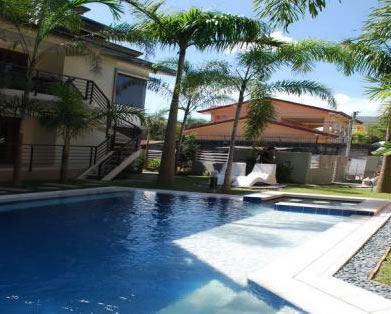
Property Type: Condo
Luxurious apartments, Philippines, this luxury development comprises of 12 units, all finished and ready to move in.
Property Terms: For Sale


|
Let your friends and colleagues know about this property.
|


Central Kyoto Property
Central Kyoto contains some of the city's most recognisable property locations and combines residential, retail, hospitality and commercial uses. Areas around Nakagyo, Shimogyo and central shopping and business districts can have a much more urban property environment than neighbourhoods on the city's outer edges.
Central locations can be attractive to international buyers who value walkability, access to restaurants and shops, cultural attractions and transport. They can also involve higher land values and more complex planning and building considerations.
Older buildings are particularly important in parts of central Kyoto. Their architectural character can be attractive, but age, construction standards, maintenance, access, rebuilding potential and applicable planning restrictions should be investigated before purchase.
Higashiyama and Eastern Kyoto
Eastern Kyoto includes some of the city's best-known historic and tourism areas, particularly around Higashiyama. The area contains temples, traditional streets, established residential districts, visitor accommodation and commercial property serving both residents and tourists.
Property in these locations can have strong visual and cultural appeal, but that does not make every property interchangeable. Street position, historic character, access, permitted use and restrictions on alteration can materially affect the value and practicality of a property.
International buyers considering a property in eastern Kyoto should therefore investigate the individual building and its planning position rather than assuming that proximity to a major tourist attraction automatically creates an investment advantage.
Arashiyama and Western Kyoto
Arashiyama is one of Kyoto's major visitor destinations, while the surrounding western areas include established residential neighbourhoods and a mixture of urban and greener environments.
The property market here illustrates the importance of separating tourism from residential demand. Properties close to major visitor attractions may have a different commercial environment from homes located a short distance away, even though they share the same broader district.
For buyers seeking a residence rather than visitor accommodation, factors such as local services, schools, transport, everyday shopping and commuting connections may be more relevant than tourist footfall.
Northern and Southern Kyoto
Kyoto's northern districts extend towards the surrounding hills and include a mixture of residential neighbourhoods, university areas and less intensively developed locations. Southern Kyoto includes major transport corridors, industrial and commercial areas as well as established residential communities.
These parts of the city can provide a useful contrast with central Kyoto when researching land and property. The lower concentration of tourism in some neighbourhoods means that local employment, transport and resident demand can become more important drivers of the property market.
Southern Kyoto also benefits from important transport connections, including access towards Osaka and other parts of the Kansai region. This wider metropolitan relationship should be considered when comparing properties outside the traditional central tourist districts.
Kyoto Apartments and Condominiums
Apartments and condominiums form an important part of Kyoto's urban housing market. They can provide overseas buyers with access to central locations where detached houses and larger individual plots are less common.
When comparing condominium properties, the purchase price is only one part of the calculation. Monthly management fees, repair reserve contributions, building age, management arrangements, floor position, orientation, common facilities and the long-term condition of the building can all affect ownership costs and resale prospects.
For investment property, the relationship between the purchase price and achievable long-term rent should also be examined independently of tourist accommodation demand.
See our Japan Property Types research for a wider examination of apartments, houses, land and other property categories.
Kyoto Houses and Traditional Property
Kyoto is particularly associated with traditional wooden townhouses known as machiya. These properties can be architecturally distinctive and may appeal to international buyers seeking a property with a strong connection to the city's history.
However, traditional property should not be treated simply as an older version of a conventional house. Construction methods, maintenance, renovation requirements, fire safety, access, structural condition and planning controls can all influence what can realistically be done with a building.
Some properties may also have restrictions or practical limitations affecting rebuilding or substantial alteration. Specialist inspection and appropriate professional advice are therefore particularly important when buying older or historically significant buildings.
Kyoto Rental Property
Kyoto has several rental markets operating alongside one another. Long-term residential demand comes from local households, students, university staff and employees, while visitor demand supports hotels, ryokan and other forms of accommodation.
This distinction is important for overseas investors. A residential property should not be valued on the assumption that it can automatically be converted into short-term visitor accommodation.
Kyoto has continued to develop policies intended to balance tourism with the daily lives of residents. Local rules and licensing requirements can affect accommodation businesses, while individual properties may also be subject to building, zoning and management restrictions.
The city's tourism market remains substantial. In July 2026, Kyoto's tourism authority reported a 75.2% occupancy rate across its sample of major hotels and ryokan, with average daily room rates also higher than a year earlier. Such figures demonstrate the strength of the visitor economy but should not be confused with residential rental evidence.
Our Japan Rental Market guide provides wider background on rental property and investment in Japan.
Kyoto Property Investment
Kyoto can attract several different types of property investor. Some are interested in conventional residential rental property, while others look at commercial buildings, hospitality-related property, development opportunities or properties that can be used personally for part of the year.
The city's international reputation can support strong visitor demand, but investment analysis still needs to be property-specific. Purchase price, operating costs, taxation, financing, maintenance, vacancy and permitted use all need to be considered.
Tourism can also create a different relationship between property and local policy. Kyoto has been actively addressing the balance between visitor activity and residential life, so investors considering accommodation should research the current rules applying to the specific property and municipality before assuming a particular business model is available.
See our Japan Property Investment guide for the wider investment environment.
Kyoto Property Development
Development in Kyoto requires a particularly close understanding of planning and building controls. The city has long maintained policies intended to protect its historic landscape and urban character, and building height, design, land use and other planning considerations can influence development potential.
This makes redevelopment land different from a conventional vacant site in a less constrained market. A buyer considering land for construction should establish what can legally and practically be built before using the site's apparent size or location to estimate its value.
Older buildings also require care. The potential to demolish and rebuild cannot simply be assumed because a building is old or appears unsuitable for modern use. Road access, planning status, building regulations and site characteristics can all affect redevelopment.
Our Japan Property Development research provides additional background on land, construction and development.
Kyoto Property and Tourism
Tourism is one of the defining characteristics of Kyoto's property environment. The city attracts visitors because of its temples, shrines, gardens, traditional districts, cultural events and historic architecture, creating a large visitor economy around accommodation, restaurants, retail and attractions.
For property research, however, tourism should be treated as one component of the market rather than as a universal explanation for property values. Tourist demand is concentrated geographically and can have very different effects on a central commercial property, a traditional house and a conventional suburban apartment.
Kyoto's current policy approach also places emphasis on dispersing visitors and reducing pressure on neighbourhoods where tourism can conflict with everyday residential life. This is relevant to overseas investors because regulatory and operating conditions can change as the city manages visitor demand.
Transport and Kyoto Property
Transport is a major factor when comparing Kyoto neighbourhoods. Kyoto Station is the city's principal rail gateway, connecting the city with Tokyo, Osaka and other major Japanese centres. The city also has subway, railway and bus networks serving different parts of the urban area.
Properties close to major stations can benefit from accessibility to employment, education, shopping and wider regional transport. Other properties may offer a quieter residential environment but require more reliance on buses, bicycles or private vehicles.
For overseas buyers, mapping the actual journey to the locations they expect to use is often more informative than judging a neighbourhood by its reputation alone.
Kyoto Population and Residential Demand
Kyoto remains a major Japanese city with more than 1.4 million residents. The city's population structure is important when assessing residential property because tourism is only one part of the underlying housing market.
The 2025 national census preliminary results compiled by Kyoto City recorded a population of approximately 1.432 million, down from the previous census, while the number of households increased. This illustrates why population totals alone do not provide a complete picture of housing demand: household formation, student populations, employment and the composition of households can all influence the number and type of homes required.
International buyers should therefore distinguish between long-term demographic trends and the much more local question of demand for a particular neighbourhood and property type.
Buying Property in Kyoto
Foreign nationals can purchase property in Japan, but buying a property does not remove the need to understand Japanese transaction procedures, taxation, registration and reporting requirements.
Before committing to a Kyoto property, an overseas buyer should establish the ownership rights being acquired, confirm the property's legal and physical condition, review the land and building documentation and understand the transaction costs. Older Kyoto properties may require additional investigation because of their age, construction and potential renovation requirements.
Buyers should also distinguish between buying a property for personal use, long-term rental, redevelopment and visitor accommodation. The appropriate due diligence can differ substantially according to the intended use.
Our Buying Property in Japan guide provides a broader overview of the process for international buyers.
Kyoto Property Taxes
Property ownership in Kyoto involves Japanese taxes and transaction costs that should be included in the acquisition budget rather than considered after the purchase price has been agreed.
Depending on the transaction and property, costs can include registration and licence tax, real estate acquisition tax, fixed asset tax and city planning tax. The tax treatment can differ according to the nature of the property, the transaction and the owner.
Non-resident owners and investors should obtain current Japanese tax advice because tax obligations can extend beyond the initial purchase. Rental income and the eventual sale of a property can also create tax considerations.
See our Japan Property Taxes guide for the wider tax framework.
Kyoto Property Market Data
Kyoto is particularly well suited to location-based property research because individual areas can differ significantly. Japan's Ministry of Land, Infrastructure, Transport and Tourism provides land-price assessments and a Real Estate Information Library containing processed transaction-price information.
Transaction information is published in a form designed to prevent individual properties from being readily identified, while providing useful information such as transaction price and land characteristics. This can help overseas buyers compare actual transactions with asking prices and published land assessments.
Land-price data should still be interpreted carefully. A reference point represents a particular location and set of characteristics, while an individual property may differ in size, access, building condition and permitted use.
Our Japan Property Market Data guide explains how broader Japanese property data can be used in market research.
Kyoto Neighbourhood Property Research
For an international buyer, the most useful next step after researching Kyoto as a city is to examine individual neighbourhoods. Kyoto's wards and districts contain very different property environments, from central mixed-use areas to established residential communities and locations close to the mountains.
A neighbourhood comparison should consider transport, local services, housing stock, tourism intensity, employment access, schools and universities, development patterns and the likely reason for future property demand.
This approach also helps avoid one of the common problems in international property research: treating a famous city as though every property within its boundaries shares the same market characteristics.
Researching Kyoto Property from Overseas
Kyoto is an attractive market for international property research precisely because it combines several distinct forms of demand. It is simultaneously a major Japanese residential city, university centre, commercial location, cultural destination and international tourism market.
For overseas buyers, the strongest research process is therefore to move from city to neighbourhood, then from neighbourhood to property type and finally to the individual transaction. Land values, planning controls, building condition, rental evidence, taxes and intended use should all be considered before a purchase decision is made.
International Property Directory's Japan research is designed to support that progression. Start with Japan Property Markets, compare Kyoto with other major cities such as Tokyo, Osaka and Fukuoka, then use the property, investment and buying guides to investigate the market in greater depth.
Asia Pacific Property Market Snapshot
| Population | More than 4 billion people live across the broader Asia Pacific region, encompassing East Asia, Southeast Asia, South Asia, Australia, New Zealand and the Pacific island states. The precise geographical definition of Asia Pacific varies between organisations and sources |
|---|---|
| Area | Asia Pacific covers an extensive area stretching from South Asia and the Indian Ocean through East and Southeast Asia to Australia, New Zealand and the Pacific islands. Because regional definitions differ, the total area varies considerably between sources |
| Major Airports | Major international gateways include Singapore Changi, Hong Kong International, Tokyo Haneda and Narita, Seoul Incheon, Bangkok Suvarnabhumi, Kuala Lumpur International, Sydney, Melbourne, Auckland, Beijing Capital and Daxing, Shanghai Pudong, Delhi, Mumbai, Jakarta, Manila, Brisbane, Perth and major airports serving other regional centres |
| Currencies | Asia Pacific uses a wide range of national currencies. Major currencies include the Chinese yuan, Japanese yen, South Korean won, Singapore dollar, Australian dollar, New Zealand dollar, Indian rupee, Indonesian rupiah, Thai baht, Malaysian ringgit, Philippine peso and Vietnamese dong. Currency conditions, exchange-rate arrangements and restrictions on moving funds vary substantially between countries |
| Foreign Ownership | Foreign property ownership varies substantially across Asia Pacific and can differ according to nationality, property type, location, residency status and the structure of the purchase. Some markets provide relatively open access to residential or investment property, while others restrict foreign ownership of land or impose limits on apartments, houses, development land or agricultural property. International buyers should obtain independent local legal advice before purchasing |
| Major Property Markets | Major international property markets include Australia, Japan, Singapore, Hong Kong, China, South Korea, India, Thailand, Malaysia, Indonesia, Vietnam, the Philippines and New Zealand. Sydney, Melbourne, Brisbane, Tokyo, Osaka, Singapore, Hong Kong, Seoul, Bangkok, Kuala Lumpur, Jakarta, Bali, Manila, Ho Chi Minh City, Hanoi, Mumbai and Delhi are among the region's significant urban and investment markets |
| Main Overseas Buyers | International demand comes from a diverse mix of investors, expatriates, entrepreneurs, high-net-worth individuals, retirees, second-home buyers, lifestyle purchasers and people seeking residential property connected with employment, education or relocation. Important sources of overseas demand include neighbouring Asian countries, the Middle East, Europe, North America and Australia and New Zealand, together with substantial intra-regional investment |
| Tourism | Tourism is an important driver of property demand across much of Asia Pacific. Major tourism markets include Thailand, Indonesia, Japan, Australia, New Zealand, Vietnam, Malaysia, the Philippines and the Pacific islands. Beach resorts, tropical islands, cultural destinations, ski areas, major cities, cruise facilities and luxury hospitality developments support demand for hotels, serviced residences, vacation homes, branded residences and short-term rental property |
| Main Luxury Markets | Luxury property markets include Singapore, Hong Kong, Tokyo, Osaka, Sydney, Melbourne, Auckland, Seoul, Bangkok, Phuket, Bali, Jakarta, Kuala Lumpur, Mumbai and selected resort and island destinations across Thailand, Indonesia, Australia, New Zealand and the Pacific. Prime districts, waterfront locations, resort communities, branded residences and high-end new developments form important segments of the regional luxury market |
| Residency Routes | A number of Asia Pacific countries offer residence or migration routes connected with investment, employment, entrepreneurship, retirement, family circumstances or other qualifying criteria. Property ownership may support relocation or investment objectives in some markets, but buying property does not automatically provide residency. Eligibility, investment thresholds and programme conditions vary by country and can change over time |
| Property Taxes | Property taxes, stamp duty, transfer taxes, registration charges, land taxes, municipal charges, rental taxation, capital gains treatment and taxes affecting foreign buyers vary considerably across Asia Pacific. Some markets apply additional transaction taxes or surcharges to foreign purchasers, while others have different rules depending on property type and residency status. Buyers should assess acquisition, ownership, rental and disposal costs before purchasing |
| Investment Opportunities | Asia Pacific offers opportunities across apartments, houses, villas, luxury residences, beachfront property, resort developments, commercial real estate, hospitality, development land, new-build and off-plan projects. Major investment themes include established city markets in Australia, Japan, Singapore and South Korea; rapidly developing markets in Southeast Asia; major Indian cities; tourism destinations such as Thailand, Bali and the Pacific islands; and residential and lifestyle markets across Australia and New Zealand. Pricing, rental demand, infrastructure, taxation, regulation and foreign-buyer access vary considerably between countries and individual locations |
Major Asia Pacific Countries That Appeal to International Investors and Buyers:
Southeast Asia
 Cambodia Properties
Growing urban and coastal markets attracting international buyers and investors.  Indonesia Properties
Bali, Jakarta and other destinations offer apartments, villas and tourism-linked property opportunities.  Malaysia Properties
Kuala Lumpur, Penang and other established markets attract international buyers and investors.  Philippines Properties
Manila, Cebu and resort destinations offer apartments, condos and lifestyle property.  Singapore Properties
A major international real estate centre with prime residential and investment markets.  Thailand Properties
Bangkok, Phuket, Pattaya and other destinations attract substantial international property interest.  Vietnam Properties
Major cities and coastal destinations offer growing opportunities for overseas buyers. East Asia
 China Properties
Major metropolitan and coastal property markets with significant international connections.  Japan Properties
Tokyo, Osaka, Kyoto and resort markets attract international residential investors.  South Korea Properties
Seoul, Busan and other major markets offer urban and lifestyle property opportunities.  Taiwan Properties
Taipei and other established markets offer apartments and residential investment opportunities. South Asia
 India Properties
Mumbai, Delhi, Goa and other major markets attract overseas buyers and investors.  Maldives Properties
Luxury resorts, islands and beachfront property create a distinctive international market.  Sri Lanka Properties
Coastal, resort and city properties attract overseas buyers seeking lifestyle opportunities. Oceania & Pacific
 Australia Properties
Sydney, Melbourne, Brisbane and major coastal markets have a long-established international profile.  Fiji Properties
Beachfront and resort property provide a focused international lifestyle market.  New Zealand Properties
Auckland, Wellington and lifestyle markets attract overseas buyers within regulated ownership rules. Territories
 Hong Kong Properties
International property market and financial centre with a highly developed urban real estate sector. Territory.  Macau Properties
Highly developed urban and resort property market with strong international connections. Territory. |
|

