
Luxury Property Marketing in Asia-Pacific – Guide for International Sellers
Luxury property marketing in Asia-Pacific requires more than describing an expensive property with impressive photographs. High-value homes, villas, penthouses, waterfront residences, private estates and branded residences can attract buyers from around the world, but the reasons for buying vary considerably between markets and individuals.
Asia-Pacific contains major luxury property markets such as Singapore, Hong Kong, Tokyo, Sydney, Melbourne, Seoul and Bangkok, alongside resort and island destinations in Thailand, Indonesia, the Philippines, Australia, New Zealand and the Pacific. Each has different property characteristics, buyer profiles, ownership arrangements and market conditions.
For an international seller, effective luxury marketing should therefore establish what makes the property distinctive, identify the likely buyer, explain its geographical setting and make credible information available before the buyer decides whether to enquire or travel to the property.
What Makes Luxury Property Different?
Luxury is not defined by price alone. A property may command a premium because of its location, architecture, land, privacy, views, amenities, services, history, scarcity or combination of these characteristics.
A city penthouse may appeal because of its views, location and access to business and cultural facilities. A beachfront villa may compete through privacy, direct access to the coast and outdoor living. A large private estate may appeal to a buyer seeking land and exclusivity.
Marketing should therefore identify the property's genuine points of distinction rather than relying on generic descriptions such as exclusive, prestigious or world-class.
Position the Property Before Promoting It
The first step in a luxury marketing campaign is deciding how the property should be positioned. It may primarily be a permanent residence, second home, investment, family retreat, rental property, prestige purchase or combination of these.
A property can have several potential uses, but the marketing should make its strongest proposition clear. A buyer should quickly understand why the property belongs in the luxury segment and what type of ownership experience it offers.
This positioning should also reflect the property's market rather than attempting to make every luxury property sound the same.
Market to the Right Luxury Buyer
International luxury buyers are not a single group. They can include high-net-worth individuals, entrepreneurs, executives, investors, second-home purchasers, retirees, families relocating internationally and buyers seeking a particular lifestyle.
Sources of overseas demand across Asia-Pacific include neighbouring Asian markets as well as buyers from the Middle East, Europe, North America and Australia and New Zealand. The relevant buyer group will depend heavily on the country, location and type of property.
A seller should therefore consider who is most likely to value the property's particular characteristics rather than simply targeting anyone described as a luxury buyer.
Sell the Location as Part of the Property
For an overseas luxury buyer, the location can be as important as the building. A buyer may be purchasing access to a particular city, coastline, island, neighbourhood, resort or lifestyle environment.
Marketing should explain where the property sits within its wider geographical setting. This can include proximity to airports, business districts, beaches, marinas, golf facilities, restaurants, cultural attractions, international schools or other relevant amenities.
International buyers may not recognise local neighbourhood names, so geographical context can make a substantial difference to how the property is understood.

|
PHILIPPINES |
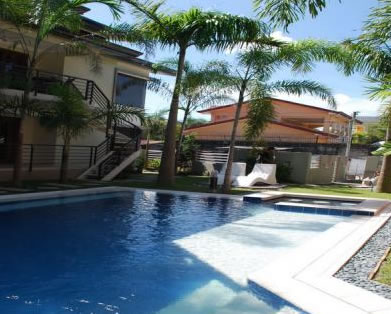
Property Type: Condo
Luxurious apartments, Philippines, this luxury development comprises of 12 units, all finished and ready to move in.
Property Terms: For Sale


|
Let your friends and colleagues know about this property.
|


Use High-Quality Property Presentation
Luxury buyers expect professional presentation. Photography should show the property accurately while communicating its architecture, design, scale, views, outdoor areas and relationship with the surrounding environment.
Depending on the property, additional material may include floor plans, architectural information, professionally produced video, virtual tours, aerial photography and detailed maps.
The objective is not simply to make the listing attractive. It is to give a remote buyer enough information to decide whether the property deserves closer investigation.
Create a Consistent Luxury Property Story
A luxury listing should have a clear narrative. Photographs, headline, description, location information and supporting material should reinforce the same proposition.
If privacy is a major feature, the presentation should demonstrate privacy. If architecture is the principal attraction, the design should be properly explained. If the property is primarily a waterfront lifestyle residence, the relationship with the coast should be evident throughout the marketing.
This is more effective than simply attaching a long list of expensive features to an otherwise conventional property description.
Explain the Property to Someone Who Has Never Visited
International buyers may initially know very little about the destination. A local luxury advertisement can assume that the reader understands the neighbourhood and its reputation, but an overseas campaign cannot make the same assumptions.
The marketing should explain the location, access, surroundings and relevant lifestyle characteristics without becoming a tourist brochure. The purpose is to establish why the location matters to the property's ownership proposition.
This is particularly important for island, coastal, resort and remote luxury properties where travel time and accessibility can influence the buying decision.
Luxury Marketing Should Be Specific
Specific information is generally more persuasive than exaggerated language. Rather than simply describing a property as prestigious, the marketing can explain its land area, architectural design, views, privacy, amenities, construction quality or proximity to relevant facilities.
Statements about rental returns, future infrastructure, investment performance, residency benefits or tax advantages should also be supported by appropriate information and professional advice where necessary.
International buyers are often making significant financial decisions, so credibility becomes part of the luxury marketing proposition.
Showcase Architecture and Design
Architecture can be a major part of a luxury property's value. Contemporary villas, historic residences, designer apartments and architecturally significant homes can appeal to buyers for reasons that go beyond size or location.
Where design is an important selling point, marketing should explain the architectural concept, materials, relationship with the site and distinctive features. Professional photography should reinforce those characteristics rather than simply showing rooms individually.
Where architects, designers or recognised brands are legitimately associated with the property, this can be included accurately without overstating their involvement.
Privacy, Security and Exclusivity
Privacy can be an important characteristic for luxury buyers. Gated access, private grounds, secluded locations, controlled building access and low-density surroundings may all contribute to the property's appeal.
Security information should be presented carefully. Sellers should avoid publishing unnecessary details that could compromise the property's security while still explaining relevant features to genuine buyers.
Exclusivity should also be demonstrated through the property's genuine characteristics rather than simply asserted through marketing language.
Waterfront and Beachfront Luxury Property
Waterfront property is an important part of the Asia-Pacific luxury market, particularly across Thailand, Indonesia, the Philippines, Australia, New Zealand and Pacific island destinations.
For international buyers, a waterfront property should be presented in terms of both lifestyle and practical ownership. Access, coastal conditions, maintenance, insurance, weather exposure and any relevant restrictions can all affect the ownership experience.
Views and proximity to water may be major selling points, but buyers should still undertake appropriate physical, legal and environmental due diligence before purchasing.
Luxury City Property
Luxury urban property has a different proposition from a private coastal estate. Penthouses, high-end apartments and branded residences may attract buyers seeking central locations, views, services, security and access to business or cultural centres.
Marketing should therefore explain the building as well as the individual residence. Amenities, management, service charges, parking, security, concierge services and the wider neighbourhood may all influence the buyer's decision.
For overseas buyers, the relationship between the residence and the wider city can be particularly important.
Branded and Resort Residences
Branded residences and resort properties can combine residential ownership with hospitality-style services, amenities or management. They are therefore often marketed differently from conventional houses and apartments.
A buyer should be able to distinguish between the physical property, the management arrangements and any brand or resort services associated with ownership.
Marketing should explain the actual ownership proposition clearly and avoid implying benefits that are not included in the purchase.
Luxury Property as a Second Home
Second-home buyers often place considerable weight on lifestyle, accessibility and ease of ownership. A luxury residence may be used for part of the year while being managed remotely for the remainder.
Marketing should therefore address practical issues that an overseas owner may consider, including access from international airports, property management, maintenance, security and the ability to arrange services while abroad.
Where rental use is permitted and relevant, this can be presented as a potential secondary consideration rather than assuming that every luxury buyer wants an investment property.
Luxury Property and Investment Buyers
Some luxury purchases are investment-led, while others are primarily lifestyle decisions. A high purchase price does not automatically make a property a sound investment.
Where investment characteristics are relevant, sellers can provide factual information about rental history, comparable properties, operating costs and market context. Buyers should independently assess valuation, rental demand, taxation, financing and exit prospects.
The wider Asia-Pacific rental investment market can provide useful context for buyers considering income-producing luxury property.
Present Ownership and Foreign Buyer Information
International luxury buyers will want to understand whether they can legally purchase the property and what ownership structure applies. Foreign ownership rules differ significantly throughout Asia-Pacific and may depend on nationality, residency, property type and location.
Marketing should identify relevant issues without attempting to replace legal advice. If restrictions or approval requirements apply, they should not be hidden until the buyer reaches the formal transaction stage.
Buyers can also be directed towards the wider foreign buyer property guidance for Asia-Pacific when researching ownership requirements.
Present Costs Clearly
Luxury buyers generally need to understand more than the headline asking price. Taxes, registration charges, service fees, maintenance, insurance, management and other ownership costs can materially affect the total cost of ownership.
Where reliable figures are available, the marketing can identify known property costs. Country-specific taxes and legal obligations should be confirmed through appropriate professional advice.
Transparency is particularly important for overseas buyers because they may be comparing the property with opportunities in several different countries.
Build Trust Before the Buyer Travels
Luxury international purchases can involve significant time and expense before a buyer reaches the viewing stage. Credible marketing can reduce uncertainty and encourage serious buyers to continue their research.
Ownership information, property specifications, professional representation, clear contact details and consistent descriptions all contribute to credibility.
Where an agent or developer is marketing the property, their identity and role should be clear. Where the seller is private, the buyer should still be able to establish who is responsible for the property and how formal enquiries will be handled.
Luxury Marketing and Buyer Due Diligence
Luxury presentation should never replace due diligence. A visually impressive property may still have questions relating to title, boundaries, construction, planning, ownership, leases, taxes or other legal matters.
Sellers can help the process by preparing relevant documentation before the campaign begins. Buyers should independently verify important information through qualified legal, technical and financial advisers.
The IPD guide to seller due diligence in Asia-Pacific explains why preparation before marketing can help prevent avoidable complications later in the sale.
Target International Luxury Markets
Luxury marketing should identify where likely buyers are located. A particular Asia-Pacific destination may have stronger demand from neighbouring Asian countries, Australia, New Zealand, Europe, North America or the Middle East.
Buyer geography can influence advertising channels, communication style, viewing arrangements and the information that needs to be provided.
The seller should avoid assuming that all international buyers have the same motivations. A buyer relocating for business may have different priorities from a second-home purchaser or an investor.
Use International Property Channels
A local agency website may be useful, but international luxury marketing should extend into channels where overseas buyers research property. Specialist property directories, international agencies, referral networks, search visibility and targeted digital marketing can all contribute.
The important consideration is not the number of websites displaying the property but whether those channels reach an appropriate audience.
International Property Directory provides a global property platform where luxury properties can be presented within a wider research environment covering countries, markets, property types, investment and international ownership.
Work With a Specialist Estate Agent Where Appropriate
Some luxury properties benefit from specialist representation. An experienced agent may have established relationships with high-net-worth buyers, international agencies, relocation advisers, developers or other referral sources.
The seller should establish exactly what the agent will provide, which markets they target, how the property will be presented and what commission or other costs apply.
Specialist representation can be particularly valuable where the property is unusual, highly priced, located in a remote market or likely to require extensive international buyer support.
Luxury FSBO Marketing
Some luxury owners prefer to sell privately rather than appoint an estate agent. For Sale By Owner can provide direct control over the marketing and buyer relationship, but the owner also assumes responsibility for reaching the appropriate audience.
For a luxury FSBO campaign, professional photography, detailed property information, international exposure and prompt responses to enquiries become especially important.
Private sellers should still use independent legal, valuation and technical professionals where appropriate. Direct marketing does not remove the need for formal due diligence.
Luxury Property Marketing for Developers
Developers marketing high-end new developments face a different challenge from owners selling completed homes. Buyers may be purchasing before construction is complete, making information about the developer, project, location, specifications, completion timetable and contract particularly important.
Marketing should distinguish clearly between completed property, new-build property and off-plan property. Visualisations should also be identified appropriately rather than being presented as photographs of a completed development.
International buyers considering new developments should undertake independent investigation of the developer and project before committing funds.
Do Not Over-Market the Property
Luxury marketing can become counterproductive when every feature is described as exceptional. Sophisticated buyers are likely to distinguish quickly between meaningful information and promotional language.
Specificity, accuracy and restraint can therefore be more effective than excessive claims. The property's architecture, location, land, views, services, privacy and other genuine qualities should provide the foundation of the campaign.
A strong luxury listing should leave the buyer wanting to investigate further rather than requiring exaggerated claims to create interest.
Reach Buyers Before They Search for a Specific Property
International luxury buyers frequently begin with a destination or lifestyle objective. They may search for luxury property in a country, compare coastal markets, investigate city residences or research second-home opportunities before looking at individual listings.
This makes broader market visibility important. A luxury property can become relevant to a buyer because of its country, city, coastal setting, property type or intended use before the buyer knows the exact property they want.
Connecting the listing with the wider Asia-Pacific luxury property market can therefore be part of a broader international marketing strategy.
Make Enquiries Easy to Progress
A luxury marketing campaign should provide a clear next step. International buyers may initially request additional photographs, floor plans, ownership information, viewing arrangements or details of ongoing costs.
The seller or agent should have a process for handling these requests and providing information without creating unnecessary delays.
Where sensitive documents are involved, appropriate verification and secure professional channels should be used rather than distributing confidential material indiscriminately.
Prepare for International Viewings
Once a serious buyer has been identified, the marketing campaign should transition smoothly into the viewing stage. International buyers may plan their trip specifically around several properties, so access arrangements and availability should be coordinated carefully.
Remote viewing can be useful before travel, while a physical inspection remains important for understanding the property and its surroundings.
For a high-value transaction, the seller should also expect the buyer to arrange independent valuation, legal checks and technical inspection where appropriate.
Luxury Property Marketing Is About Matching
The purpose of luxury property marketing is not simply to create the largest possible number of enquiries. It is to make the right buyers recognise why the property is relevant to them.
A private waterfront villa, city penthouse, resort residence and development opportunity may all be described as luxury property, but their buyer audiences can be completely different.
Successful marketing therefore combines accurate property presentation with a clear understanding of location, buyer motivation, ownership, lifestyle and market position.
Using IPD for Luxury Property Marketing
International Property Directory provides a global environment for property owners, agents and developers to present properties to buyers researching international markets. Luxury listings can sit within a broader research journey covering countries, cities, property types, investment markets and international ownership.
This is particularly relevant to overseas buyers who may begin with market research rather than a specific property. A luxury listing can become part of that research process while giving the seller another route to international exposure.
Owners, agents and developers can create an IPD property marketing account to present properties and reach potential buyers researching international markets.
A Practical Luxury Property Marketing Strategy
A strong campaign can be built around a straightforward sequence: identify the property's genuine luxury proposition, establish the target buyer, explain the geographical setting, prepare professional presentation material, confirm ownership and property information, establish the asking price, select appropriate international channels and create a clear process for handling enquiries.
The seller should then be prepared for the next stages: remote or physical viewings, buyer qualification, legal and technical due diligence, negotiation and completion.
Marketing should remain consistent throughout this process. Claims made in the initial listing should be capable of being supported when the buyer begins closer investigation.
Luxury Property Marketing Across Asia-Pacific
Asia-Pacific's luxury property market is diverse, ranging from major metropolitan centres to private islands, coastal resorts, golf communities and high-end residential developments. There is no single international luxury buyer and no universal marketing formula.
The most effective campaigns begin with the property itself. What makes it distinctive? Who is most likely to value those characteristics? Where are those buyers researching? What information will they need before travelling? And what professional support will be required once a serious buyer is identified?
For international sellers, luxury property marketing is ultimately about combining presentation with credibility. High-quality imagery may attract attention, but accurate information, geographical context, transparent ownership details and a clear route into the formal sales process are what help turn international attention into serious enquiries.
Whether selling a waterfront villa, city residence, private estate, resort property or luxury development, the objective remains the same: make the property visible to the right international buyers, explain why it is distinctive and provide enough credible information for them to take the next step with confidence.
Asia Pacific Property Market Snapshot
| Population | More than 4 billion people live across the broader Asia Pacific region, encompassing East Asia, Southeast Asia, South Asia, Australia, New Zealand and the Pacific island states. The precise geographical definition of Asia Pacific varies between organisations and sources |
|---|---|
| Area | Asia Pacific covers an extensive area stretching from South Asia and the Indian Ocean through East and Southeast Asia to Australia, New Zealand and the Pacific islands. Because regional definitions differ, the total area varies considerably between sources |
| Major Airports | Major international gateways include Singapore Changi, Hong Kong International, Tokyo Haneda and Narita, Seoul Incheon, Bangkok Suvarnabhumi, Kuala Lumpur International, Sydney, Melbourne, Auckland, Beijing Capital and Daxing, Shanghai Pudong, Delhi, Mumbai, Jakarta, Manila, Brisbane, Perth and major airports serving other regional centres |
| Currencies | Asia Pacific uses a wide range of national currencies. Major currencies include the Chinese yuan, Japanese yen, South Korean won, Singapore dollar, Australian dollar, New Zealand dollar, Indian rupee, Indonesian rupiah, Thai baht, Malaysian ringgit, Philippine peso and Vietnamese dong. Currency conditions, exchange-rate arrangements and restrictions on moving funds vary substantially between countries |
| Foreign Ownership | Foreign property ownership varies substantially across Asia Pacific and can differ according to nationality, property type, location, residency status and the structure of the purchase. Some markets provide relatively open access to residential or investment property, while others restrict foreign ownership of land or impose limits on apartments, houses, development land or agricultural property. International buyers should obtain independent local legal advice before purchasing |
| Major Property Markets | Major international property markets include Australia, Japan, Singapore, Hong Kong, China, South Korea, India, Thailand, Malaysia, Indonesia, Vietnam, the Philippines and New Zealand. Sydney, Melbourne, Brisbane, Tokyo, Osaka, Singapore, Hong Kong, Seoul, Bangkok, Kuala Lumpur, Jakarta, Bali, Manila, Ho Chi Minh City, Hanoi, Mumbai and Delhi are among the region's significant urban and investment markets |
| Main Overseas Buyers | International demand comes from a diverse mix of investors, expatriates, entrepreneurs, high-net-worth individuals, retirees, second-home buyers, lifestyle purchasers and people seeking residential property connected with employment, education or relocation. Important sources of overseas demand include neighbouring Asian countries, the Middle East, Europe, North America and Australia and New Zealand, together with substantial intra-regional investment |
| Tourism | Tourism is an important driver of property demand across much of Asia Pacific. Major tourism markets include Thailand, Indonesia, Japan, Australia, New Zealand, Vietnam, Malaysia, the Philippines and the Pacific islands. Beach resorts, tropical islands, cultural destinations, ski areas, major cities, cruise facilities and luxury hospitality developments support demand for hotels, serviced residences, vacation homes, branded residences and short-term rental property |
| Main Luxury Markets | Luxury property markets include Singapore, Hong Kong, Tokyo, Osaka, Sydney, Melbourne, Auckland, Seoul, Bangkok, Phuket, Bali, Jakarta, Kuala Lumpur, Mumbai and selected resort and island destinations across Thailand, Indonesia, Australia, New Zealand and the Pacific. Prime districts, waterfront locations, resort communities, branded residences and high-end new developments form important segments of the regional luxury market |
| Residency Routes | A number of Asia Pacific countries offer residence or migration routes connected with investment, employment, entrepreneurship, retirement, family circumstances or other qualifying criteria. Property ownership may support relocation or investment objectives in some markets, but buying property does not automatically provide residency. Eligibility, investment thresholds and programme conditions vary by country and can change over time |
| Property Taxes | Property taxes, stamp duty, transfer taxes, registration charges, land taxes, municipal charges, rental taxation, capital gains treatment and taxes affecting foreign buyers vary considerably across Asia Pacific. Some markets apply additional transaction taxes or surcharges to foreign purchasers, while others have different rules depending on property type and residency status. Buyers should assess acquisition, ownership, rental and disposal costs before purchasing |
| Investment Opportunities | Asia Pacific offers opportunities across apartments, houses, villas, luxury residences, beachfront property, resort developments, commercial real estate, hospitality, development land, new-build and off-plan projects. Major investment themes include established city markets in Australia, Japan, Singapore and South Korea; rapidly developing markets in Southeast Asia; major Indian cities; tourism destinations such as Thailand, Bali and the Pacific islands; and residential and lifestyle markets across Australia and New Zealand. Pricing, rental demand, infrastructure, taxation, regulation and foreign-buyer access vary considerably between countries and individual locations |
Major Asia Pacific Countries That Appeal to International Investors and Buyers:
Southeast Asia
 Cambodia Properties Growing urban and coastal markets attracting international buyers and investors.  Indonesia Properties Bali, Jakarta and other destinations offer apartments, villas and tourism-linked property opportunities.  Malaysia Properties Kuala Lumpur, Penang and other established markets attract international buyers and investors.  Philippines Properties Manila, Cebu and resort destinations offer apartments, condos and lifestyle property.  Singapore Properties A major international real estate centre with prime residential and investment markets.  Thailand Properties Bangkok, Phuket, Pattaya and other destinations attract substantial international property interest.  Vietnam Properties Major cities and coastal destinations offer growing opportunities for overseas buyers. East Asia
 China Properties Major metropolitan and coastal property markets with significant international connections.  Japan Properties Tokyo, Osaka, Kyoto and resort markets attract international residential investors.  South Korea Properties Seoul, Busan and other major markets offer urban and lifestyle property opportunities.  Taiwan Properties Taipei and other established markets offer apartments and residential investment opportunities. South Asia
 India Properties Mumbai, Delhi, Goa and other major markets attract overseas buyers and investors.  Maldives Properties Luxury resorts, islands and beachfront property create a distinctive international market.  Sri Lanka Properties Coastal, resort and city properties attract overseas buyers seeking lifestyle opportunities. Oceania & Pacific
 Australia Properties Sydney, Melbourne, Brisbane and major coastal markets have a long-established international profile.  Fiji Properties Beachfront and resort property provide a focused international lifestyle market.  New Zealand Properties Auckland, Wellington and lifestyle markets attract overseas buyers within regulated ownership rules. Territories
 Hong Kong Properties International property market and financial centre with a highly developed urban real estate sector. Territory.  Macau Properties Highly developed urban and resort property market with strong international connections. Territory. |
|

