
Asia-Pacific Infrastructure Development – Transport, Utilities and Property Markets
Infrastructure development plays a fundamental role in shaping property markets across Asia-Pacific. Roads, railways, airports, ports, electricity networks, water systems and telecommunications influence where people live, where businesses operate and where new property development becomes practical. For international buyers and investors, infrastructure can help explain why some locations attract new residential, commercial and industrial projects while others remain constrained by accessibility or limited services.
The relationship between infrastructure and property is not limited to major construction projects. An improvement to a local road, the extension of a railway, additional electricity capacity or reliable water and telecommunications can change the suitability of a site for development. At a wider scale, transport corridors and new economic districts can influence the geography of entire property markets.
Asia-Pacific encompasses established metropolitan areas, rapidly expanding cities, regional economic centres, coastal destinations and island communities. Infrastructure requirements differ considerably between these environments, making geographical research essential before assessing a property opportunity.
How Infrastructure Shapes Property Development
Infrastructure provides the connections and services that allow property to function. Residential developments require access, utilities and supporting services, while commercial and industrial projects may depend on transport capacity, power availability, communications and proximity to customers or suppliers.
Where infrastructure is already established, development may focus on redevelopment, higher-density buildings or the replacement of older property. In expanding urban areas, infrastructure improvements can support new housing, commercial districts and industrial locations. In less developed areas, the absence of essential services may limit what can be built or increase the cost of bringing a project forward.
Infrastructure should therefore be considered alongside land availability, planning permission, construction costs and demand for the completed property. A site can appear attractive geographically but remain difficult to develop if essential services are unavailable or prohibitively expensive.
The wider Asia-Pacific property development guide connects infrastructure with new projects, development land, construction and changing property supply.
Transport Infrastructure and Property Markets
Transport infrastructure influences how people reach workplaces, schools, shops, healthcare, airports and other destinations. Roads, urban rail, metro systems, regional railways, bridges and public transport networks can change the relationship between established neighbourhoods and emerging development areas.
In major cities, improved public transport can make locations beyond the traditional central business district more accessible to workers and residents. This may support demand for apartments, houses, offices and retail property near stations or transport interchanges, although the effect depends on the local market and the scale of competing development.
Road and highway projects can also influence suburban expansion and regional connectivity. However, improved road access does not automatically create a successful property market. Employment, services, planning, affordability and the volume of new supply remain important.
International buyers should assess the actual transport benefit to a specific property. Distance to a station or highway entrance, journey times, service frequency and access to employment centres may be more informative than a general claim that a development is close to new infrastructure.

|
PHILIPPINES |
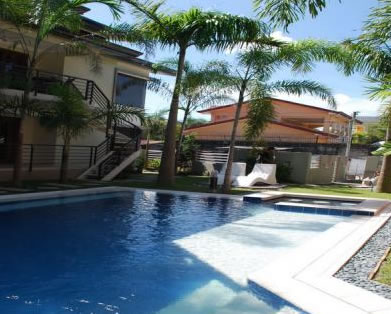
Property Type: Condo
Luxurious apartments, Philippines, this luxury development comprises of 12 units, all finished and ready to move in.
Property Terms: For Sale


|
Let your friends and colleagues know about this property.
|


Airports, Ports and International Connectivity
Airports and seaports connect regional economies with international business, tourism, manufacturing and distribution networks. Their influence can extend well beyond the facilities themselves, supporting demand for hotels, logistics property, offices, industrial sites and accommodation for workers.
Airport-related property markets can include hotels, business parks, logistics facilities and residential areas serving airport employees or businesses. The opportunities depend on the airport's role, the scale of surrounding economic activity, transport connections and planning controls.
Ports can support industrial and logistics development, particularly where manufacturing, trade and distribution are established economic activities. Warehouses, storage facilities, industrial premises and supporting commercial property may benefit from access to freight networks.
For property research, the important distinction is between international connectivity and local demand. A major airport or port can support economic activity, but an individual property still needs a suitable location, permitted use and identifiable market of occupiers or buyers.
Utilities and the Practical Development of Land
Electricity, water, drainage, sewage, waste management and telecommunications are essential components of many development projects. A parcel of land may have a suitable location and planning potential but remain unsuitable for immediate construction if these services are missing or lack sufficient capacity.
Utility provision can be especially important for larger residential communities, industrial facilities, hotels, resorts and developments in remote or island locations. The cost of extending networks, installing private systems or upgrading existing services can materially affect project feasibility.
Buyers considering development land should establish which services are available at the site boundary, whether connections have been approved and who is responsible for the cost of bringing them to the property. They should also consider whether existing infrastructure can support the proposed scale of development.
These questions are relevant to both developers and purchasers of newly built property. A completed building may still be affected by limitations in local services, while a proposed project may depend on utility upgrades that have not yet been delivered.
Infrastructure and Development Land
Development land is closely connected to infrastructure because the availability of access and services can determine whether a site can be used efficiently. Land close to established roads, public transport and utilities may have different development characteristics from a site that requires substantial infrastructure investment.
Infrastructure can also influence permitted density and the range of viable uses. A location with adequate transport and utilities may be better positioned to support apartments, commercial buildings or mixed-use projects where planning rules allow them. A site with limited access or service capacity may require a smaller project or additional investment before development can proceed.
However, proximity to proposed infrastructure should not be treated as proof of future value growth. Buyers should establish whether a project has been approved, funded and scheduled, and whether the proposed route or facility will genuinely improve access to the site.
IPD's guide to development land provides further context for assessing land, planning, utilities and the potential to create new property.
Urban Expansion and New Development Districts
Infrastructure can support the expansion of cities by connecting new residential areas with employment centres and services. As urban populations and economic activity change, development may extend beyond established central districts into suburban corridors, satellite centres and new mixed-use neighbourhoods.
These areas can contain a mixture of housing, retail, offices, schools, healthcare, recreation and transport facilities. Their long-term property characteristics depend on how successfully these elements develop together.
A new residential district may initially have limited services or depend on infrastructure that is still being constructed. Buyers should investigate which facilities are already operational and which remain planned. They should also consider whether the area has an established economic base or depends heavily on future development.
Infrastructure-led expansion can create new choices for homebuyers and investors, but the timing of residential demand may not match the construction timetable. A completed apartment building does not necessarily mean that employment, transport and community services will be available at the same time.
Infrastructure and Commercial Property
Commercial property depends on access to workers, customers, suppliers and business networks. Transport connections, reliable utilities and telecommunications can influence where offices, retail centres, industrial facilities and logistics operations locate.
For office property, accessibility to public transport, employment centres and business services may be important. Retail development often depends on the surrounding population, visibility, access and customer movement. Industrial and logistics sites may require larger land areas, freight access, appropriate road capacity and reliable utility services.
Infrastructure requirements also differ between commercial sectors. A warehouse, data centre, hotel and conventional office building have different technical and operational needs. A site suitable for one use may not provide the power, access, servicing or planning conditions required for another.
Buyers researching these opportunities should consider infrastructure alongside the relevant commercial property market, rather than assuming that all commercially zoned land has equivalent potential.
Logistics, Industrial Corridors and Supply Chains
Logistics and industrial property often develop around ports, airports, highways, rail freight connections and manufacturing centres. These locations can support warehouses, distribution centres, factories and other facilities serving domestic and international supply chains.
The suitability of a site depends on practical operating requirements. Freight access, road capacity, loading arrangements, electricity, communications, labour availability and proximity to suppliers or customers may all influence demand.
Infrastructure can also connect several economic centres into a broader development corridor. In such cases, buyers should identify the principal industrial areas, transport nodes and established settlements rather than assuming that every parcel along the route will benefit equally.
For investors, the quality of the underlying occupier market remains important. A modern industrial building needs businesses able and willing to occupy it, while a logistics site may face competition from better-connected facilities or locations with more suitable infrastructure.
Tourism Infrastructure and Resort Property
Tourism infrastructure can shape property markets in coastal destinations, islands and established visitor centres. Airports, roads, ferry services, marinas, water supply, electricity and waste management can influence whether a destination can support hotels, resorts, holiday homes and other visitor accommodation.
In remote destinations, the practical cost of delivering and maintaining infrastructure may be a major part of the development equation. Construction materials, specialist contractors and equipment may need to be transported from elsewhere, while seasonal demand can complicate the operation of services and facilities.
Tourism infrastructure can support property demand, but new accommodation supply can also increase competition. Buyers should examine visitor patterns, transport accessibility, local employment, competing resorts and the range of services available throughout the year.
Research into resort property can help connect infrastructure conditions with the characteristics of tourism-led property markets.
Digital Infrastructure and Data Centres
Digital infrastructure has become an increasingly important consideration in property development. Reliable broadband, fibre connectivity, mobile networks and secure communications support businesses, residential communities and many modern commercial uses.
Data centres represent a more specialised category. Their location requirements can include substantial and reliable power capacity, connectivity, cooling systems, physical security and appropriate planning. Land availability alone is not enough to establish whether a site is suitable for this purpose.
Digital infrastructure can also influence where companies choose to locate offices and other facilities, particularly when connectivity forms part of their operating requirements. For residential markets, reliable communications can support remote work and everyday services, although it does not replace the need for transport, utilities and local amenities.
Investors assessing digital or technology-related property should investigate the actual capacity and resilience of the relevant infrastructure rather than relying on general descriptions of a location as a technology hub.
Infrastructure Projects: Proposed Versus Operational
A critical part of infrastructure research is distinguishing between a proposal, an approved project, a project under construction and a completed facility. These stages carry different levels of certainty and may have very different implications for property.
A proposed railway may feature prominently in development marketing, but its route, funding, construction timetable or final design could change. Even a project under construction may experience delays, while the eventual impact on nearby property can differ from the original expectations.
Buyers should use reliable project information to establish the current status, responsible authority, intended route or location, expected completion and relevance to the property being considered. Where the investment case depends on future infrastructure, it is also useful to consider whether the property remains suitable if delivery is delayed or the expected benefit is reduced.
Infrastructure announcements should therefore be treated as research leads, not as substitutes for property market analysis.
Construction Costs and Infrastructure Obligations
Infrastructure can add substantial costs to development. A project may require new access roads, utility connections, drainage systems, retaining structures, power upgrades or other works before buildings can be occupied.
Responsibility for these costs may be divided between public authorities, utility providers, landowners and developers. Planning approvals can also include requirements for access, public facilities, environmental mitigation or other infrastructure contributions.
Before acquiring development land or buying into a major project, investors should establish which works are required, who will pay for them, whether the necessary agreements are in place and whether the costs have been incorporated into the development appraisal.
Infrastructure expenditure can affect both project timing and the amount of capital required. If key services are delayed or cost more than expected, the development may become more expensive or take longer to complete.
Foreign Ownership and Infrastructure-Linked Property
Infrastructure can create interest in land and property, but it does not change the legal rules governing who can own the asset. Foreign purchasers must still establish whether they are eligible to acquire the relevant property type and what ownership or registration conditions apply.
These considerations are particularly important when the opportunity involves development land, industrial property or sites near major infrastructure. Rules for land may differ from those applying to apartments or completed buildings, and the intended use may be subject to additional restrictions or approvals.
International buyers should confirm the ownership position before relying on an infrastructure-led development strategy. The Asia-Pacific foreign ownership guide provides regional context, while country-specific legal advice is necessary to establish the rules that apply to an individual transaction.
Environmental Resilience and Infrastructure Risk
Infrastructure must function under the environmental conditions of its location. Flooding, coastal erosion, extreme weather, earthquakes and other hazards can affect roads, utilities, buildings and access routes. These risks vary widely across Asia-Pacific and may be particularly relevant to coastal, mountainous and island locations.
For property buyers, the issue is not limited to whether infrastructure exists today. Its reliability, maintenance, capacity and resilience can influence the long-term suitability of a site. A property that depends on a single access road or vulnerable utility connection may face different operational risks from one served by more resilient networks.
Buyers should investigate relevant local hazards, drainage, emergency access, insurance conditions and any infrastructure improvements required to support the intended use. For development land, these issues can affect design, cost, approvals and the amount of usable space.
Infrastructure research should therefore be connected with the broader property risks framework before a site or development is selected.
How Infrastructure Influences Rental Demand
Transport and services can affect rental demand by changing how convenient a location is for residents and businesses. Access to employment, education, healthcare and everyday facilities may influence tenant preferences, while logistics and industrial infrastructure can support demand for certain types of commercial property.
However, accessibility is only one part of the rental equation. Tenant demand also depends on affordability, employment, competing supply, property condition, management and the characteristics of the local economy.
Infrastructure-led locations should therefore be assessed against actual rental evidence where possible. Buyers should compare rents and vacancy in established areas, consider the amount of new accommodation being delivered and avoid assuming that every improvement in access will translate into higher rental income.
For a broader assessment, the Asia-Pacific rental investment guide connects location, tenant demand, operating costs and investment considerations.
A Research Framework for International Buyers and Investors
Infrastructure is most useful as a property research tool when it is examined in relation to a specific location and intended asset. Begin by identifying the country, city and property market, then establish which transport networks, utilities and services already exist.
Next, distinguish operational infrastructure from approved, funded, proposed or uncertain projects. Assess how each relevant facility affects access, development capacity, operating costs and the demand for the proposed property. For land, verify planning, utilities, site access and the responsibilities for infrastructure provision.
Finally, compare the property with existing assets and competing developments. Consider the potential for new supply, the strength of local demand, environmental resilience, ownership rules and the practical cost of maintaining the property over time.
This approach helps separate a genuine infrastructure advantage from a marketing claim based mainly on future expectations.
Infrastructure Development Across Asia-Pacific
Infrastructure development is closely connected with the evolution of Asia-Pacific property markets. Transport networks, utilities, digital connectivity and logistics systems can support new development, improve access to established locations and change the relationship between cities, suburbs and regional centres.
Yet infrastructure does not create identical outcomes everywhere. Its effect depends on the quality and timing of the project, the economic activity it supports, the planning framework, the amount of competing property and the needs of future occupiers.
For international buyers, the most useful approach is to research infrastructure as one part of a wider property assessment. Start with the Asia-Pacific property markets guide, connect the location with relevant development land or commercial property, and investigate the individual site's ownership, planning, services and market demand before making a commitment.
Asia Pacific Property Market Comparison by Key International Buyer Hotspots (2026)
| Location | Typical Property Types | Market Price Profile | Market Character |
|---|---|---|---|
| Singapore | Luxury apartments, condominiums, penthouses, landed homes, branded residences, investment properties | Premium to ultra-prime international tier Approx. USD ~$10,000 - $20,000+ per m² |
One of Asia's leading international residential and investment markets. Singapore combines a highly developed property sector, strong institutions, global financial connections and substantial international wealth. Prime districts command very high prices, while foreign ownership and additional buyer taxes are important considerations for overseas purchasers. |
| Hong Kong | Luxury apartments, high-rise residences, penthouses, serviced residences, waterfront homes, investment properties | Ultra-prime international tier Approx. USD ~$15,000 - $30,000+ per m² |
One of the world's most established high-value urban property markets. Hong Kong combines exceptional density, limited land supply, major financial activity and deep international connections. The market is heavily concentrated on apartments, with prime districts and luxury developments commanding exceptionally high prices. |
| Tokyo, Japan | City apartments, luxury residences, detached houses, investment apartments, branded residences, redevelopment projects | Premium to ultra-prime international tier Approx. USD ~$5,000 - $15,000+ per m² |
Tokyo is one of Asia Pacific's leading gateway markets for international capital. Its deep liquidity, transparency, infrastructure, tourism and diversified economy support strong international interest. Prime central districts and scarce luxury properties command substantial premiums, while the wider metropolitan market offers much greater variety. |
| Osaka and Kyoto, Japan | City apartments, traditional houses, luxury residences, investment properties, vacation homes, resort properties | Premium to international value tier Approx. USD ~$3,000 - $10,000+ per m² |
Osaka provides a large urban market with strong domestic and international demand, while Kyoto combines residential, tourism and heritage-driven property markets. Both benefit from Japan's established legal and infrastructure environment, with tourism and limited prime supply supporting selected locations. |
| Seoul, South Korea | Luxury apartments, high-rise residences, penthouses, urban investment properties, new developments | Premium to ultra-prime Asian tier Approx. USD ~$7,000 - $15,000+ per m² |
Seoul is one of East Asia's major metropolitan property markets, supported by a large domestic economy, technology sector, global cultural influence and substantial urban infrastructure. Prime districts can command very high prices, while government policy and foreign-buyer rules remain important considerations. |
| Taipei, Taiwan | City apartments, luxury residences, new-build apartments, investment properties, commercial-residential developments | Premium Asian urban tier Approx. USD ~$5,000 - $10,000+ per m² |
Taipei is Taiwan's principal international residential and business centre. The market combines a large established urban population with technology-sector wealth and substantial domestic demand. Prime central districts and newer luxury developments command significant premiums. |
| Shanghai, China | Luxury apartments, high-rise residences, villas, serviced residences, investment properties, new developments | Premium major-city tier Approx. USD ~$4,000 - $10,000+ per m² |
Shanghai is one of China's principal international business and property centres, with extensive high-rise residential development and a substantial domestic market. Prime districts offer luxury and investment opportunities, while overseas purchasers must consider China's specific property and ownership regulations. |
| Beijing, China | Luxury apartments, high-rise residences, villas, serviced residences, investment properties | Premium major-city tier Approx. USD ~$4,000 - $10,000+ per m² |
Beijing is a major political, business, technology and cultural centre with a large and established residential property market. International buyer participation is more regulated than in many Southeast Asian markets, while premium central districts and high-quality developments command substantial prices. |
| Bangkok, Thailand | Luxury condominiums, serviced apartments, penthouses, villas, investment properties, new developments | Value to premium international tier Approx. USD ~$2,000 - $6,000+ per m² |
Bangkok is Thailand's principal urban property market and one of Southeast Asia's largest international residential investment centres. Condominiums dominate the overseas-buyer market, with central Bangkok, riverside and luxury developments commanding premiums. Foreign ownership rules and condominium quotas are important considerations. |
| Phuket and Thai Resort Markets | Beachfront villas, resort apartments, condominiums, branded residences, holiday homes, investment properties | Value to premium resort tier Approx. USD ~$2,000 - $7,000+ per m² |
Phuket is one of Asia's best-known international resort property markets, attracting buyers from Europe, Asia, Australia, the Middle East and other regions. The market is dominated by villas, condominiums and resort developments, with beachfront, branded and established tourism locations commanding substantial premiums. |
| Kuala Lumpur, Malaysia | Luxury condominiums, apartments, serviced residences, penthouses, gated communities, investment properties | Value to premium Asian tier Approx. USD ~$1,500 - $4,500+ per m² |
Kuala Lumpur offers one of Southeast Asia's more accessible major-city property markets for international buyers. The city has a substantial supply of modern condominiums and serviced residences, with prime central districts and established expatriate areas offering higher-value opportunities. |
| Penang, Malaysia | Condominiums, waterfront apartments, landed homes, heritage properties, resort residences, investment properties | Value to premium lifestyle tier Approx. USD ~$1,500 - $4,000+ per m² |
Penang combines an established urban market with coastal, heritage and lifestyle property. George Town and the island's waterfront areas attract international residents, retirees and investors, while the market generally remains more accessible than Singapore and many major East Asian gateway cities. |
| Bali, Indonesia | Villas, resort residences, apartments, branded residences, holiday homes, hospitality-linked property | Value to premium international resort tier Approx. USD ~$1,500 - $5,000+ per m² |
Bali is one of Asia's strongest international lifestyle and tourism property markets. Demand is concentrated on villas, resort developments and tourism-linked investments in locations such as Canggu, Seminyak, Ubud and the Bukit Peninsula. Foreign ownership structures, land title and lease arrangements require particular attention. |
| Jakarta, Indonesia | Luxury apartments, condominiums, high-rise residences, gated communities, investment properties | Value to premium major-city tier Approx. USD ~$1,500 - $4,000+ per m² |
Jakarta is Indonesia's largest metropolitan property market and a major business centre. The market is primarily driven by domestic demand, with international interest concentrated in luxury apartments, central districts and investment properties. Foreign ownership structures differ significantly from freehold systems available in some other markets. |
| Manila, Philippines | Condominiums, luxury apartments, penthouses, serviced residences, investment properties, new developments | Value to premium international tier Approx. USD ~$2,000 - $5,000+ per m² |
Manila has one of Southeast Asia's largest urban residential markets, supported by population growth, business services, expatriate demand and substantial condominium development. International buyers are particularly active in condominium property, subject to foreign ownership limits and restrictions on land ownership. |
| Cebu and Philippine Resort Markets | Condominiums, beachfront residences, resort properties, villas, holiday homes, investment apartments | Value to premium resort tier Approx. USD ~$1,500 - $4,000+ per m² |
Cebu and other Philippine resort destinations provide a mixture of urban, coastal and tourism-led property markets. Condominiums are particularly relevant to international buyers, while beachfront and resort developments attract lifestyle and second-home demand. |
| Ho Chi Minh City, Vietnam | Luxury apartments, condominiums, serviced residences, new developments, investment properties | Value to premium emerging Asian tier Approx. USD ~$2,000 - $5,000+ per m² |
Ho Chi Minh City is Vietnam's largest commercial property market and a major destination for domestic and international investment. Rapid urbanisation, economic growth and new residential development have expanded the market, while foreign ownership limits and specific ownership terms remain important for overseas buyers. |
| Hanoi, Vietnam | Luxury apartments, condominiums, villas, gated communities, new developments, investment properties | Value to premium emerging Asian tier Approx. USD ~$1,500 - $4,000+ per m² |
Hanoi provides a large and increasingly sophisticated residential market supported by government, business and infrastructure investment. International demand is concentrated in modern apartments and selected higher-end developments, while foreign ownership regulations shape the available market. |
| Phnom Penh, Cambodia | Condominiums, serviced apartments, villas, gated communities, commercial-residential developments, investment properties | Value to emerging-market tier Approx. USD ~$1,500 - $3,500+ per m² |
Phnom Penh has developed a substantial condominium and modern residential sector alongside traditional villas and landed property. International interest is supported by urbanisation, regional investment and comparatively accessible pricing, although the market is smaller and less mature than Singapore, Bangkok or Kuala Lumpur. |
| Goa, India | Villas, apartments, resort residences, holiday homes, gated communities, investment properties | Value to premium lifestyle tier Approx. USD ~$1,000 - $3,500+ per m² |
Goa is one of India's most internationally recognisable lifestyle property markets, combining beaches, tourism, second homes and hospitality development. Demand is focused on villas, apartments and resort-style communities. India's rules for non-resident and foreign purchasers make legal and ownership structure particularly important. |
| Mumbai, India | Luxury apartments, high-rise residences, penthouses, branded residences, investment properties | Premium to ultra-prime Asian tier Approx. USD ~$3,000 - $10,000+ per m² |
Mumbai is India's principal financial centre and one of its highest-value residential markets. Luxury high-rise development, limited prime land and strong domestic wealth support high prices in established central and western districts. The market is substantially larger and more domestically driven than India's resort markets. |
| Delhi and National Capital Region, India | Luxury apartments, villas, gated communities, high-rise residences, investment properties, new developments | Premium major-city tier Approx. USD ~$1,500 - $5,000+ per m² |
Delhi and the wider National Capital Region form one of India's largest metropolitan property markets. Gurgaon and Noida have become major centres for modern residential development, business activity and international investment, while established Delhi neighbourhoods support high-value residential demand. |
| Maldives | Private-island resorts, beachfront villas, branded residences, resort residences, hotel-linked property | Premium to ultra-prime resort tier Approx. USD ~$4,000 - $15,000+ per m² |
The Maldives represents a highly specialised international resort property market dominated by luxury tourism, private-island developments and hospitality-linked residences. International demand is concentrated on high-end resort and lifestyle opportunities rather than conventional urban residential property. |
| Sri Lanka | Beachfront villas, apartments, resort properties, colonial homes, land, city residences | Value to premium lifestyle tier Approx. USD ~$800 - $3,000+ per m² |
Sri Lanka offers a diverse combination of coastal, resort, urban and heritage property. Colombo provides the principal modern residential market, while the south and west coasts attract international lifestyle and tourism demand. Pricing remains relatively accessible compared with many established Asian markets. |
| Sydney, Australia | Luxury apartments, penthouses, waterfront homes, detached houses, investment properties, new developments | Premium to ultra-prime international tier Approx. USD ~$7,000 - $18,000+ per m² |
Sydney is Australia's leading international residential property market and a major Asia Pacific gateway. Prime waterfront and inner-city locations command substantial prices, while the wider metropolitan market offers a large and diverse residential base. Foreign buyers face significant restrictions, particularly regarding established dwellings. |
| Melbourne, Australia | Luxury apartments, detached houses, townhouses, investment apartments, new developments | Premium international tier Approx. USD ~$4,000 - $10,000+ per m² |
Melbourne provides a large, diversified metropolitan property market supported by education, business, culture and migration. International demand has historically been significant, particularly in apartments and higher-value residential property, although foreign investment rules constrain some categories of purchase. |
| Brisbane and Queensland, Australia | Waterfront apartments, houses, luxury residences, resort properties, new developments, investment properties | Premium to value Australian tier Approx. USD ~$3,500 - $9,000+ per m² |
Brisbane and the wider Queensland market combine metropolitan, coastal and lifestyle property opportunities. Population growth, infrastructure investment and the state's tourism economy support international interest, while foreign residential investment remains subject to Australian ownership rules. |
| Auckland, New Zealand | Detached houses, apartments, waterfront homes, lifestyle properties, investment residences | Premium Pacific tier Approx. USD ~$3,500 - $8,000+ per m² |
Auckland is New Zealand's largest residential market and principal international gateway. The market combines urban apartments, suburban houses and high-value waterfront property. Overseas residential ownership is restricted, although policy changes have created specific pathways for certain high-value investor categories. |
| Fiji | Beachfront villas, resort residences, apartments, holiday homes, luxury developments, investment properties | Value to premium resort tier Approx. USD ~$1,500 - $5,000+ per m² |
Fiji provides a focused Pacific lifestyle and resort property market. International demand is concentrated around beachfront and tourism developments, particularly on Viti Levu and Denarau, with the market offering a very different profile from the large urban centres of Australia and New Zealand. |
| Macau | Luxury apartments, high-rise residences, serviced apartments, waterfront developments, investment properties | Premium international urban tier Approx. USD ~$6,000 - $10,000+ per m² |
Macau is a highly developed, densely built urban market closely linked to tourism, hospitality and the wider Greater Bay Area economy. Residential property is dominated by apartments and high-rise developments, with international connections but a market structure distinct from Hong Kong and mainland Chinese cities. |
Asia Pacific property markets vary enormously between countries, cities and individual developments. Singapore, Tokyo, Hong Kong, Seoul and Sydney represent established international gateway markets with deep property sectors, strong infrastructure and substantial international connections, while Bangkok, Kuala Lumpur, Bali, Manila and other Southeast Asian destinations provide different combinations of urban, investment, resort and lifestyle property. India, China, Japan and South Korea contain very large domestic markets alongside international investment opportunities. Cambodia, Vietnam, Sri Lanka, Fiji and other emerging or specialist markets provide additional opportunities but operate under very different ownership, regulatory and market conditions. The figures shown are broad indicative ranges rather than formal market averages: prime waterfront, branded, newly built and ultra-luxury properties can be considerably more expensive, while properties outside the principal international buyer locations can be substantially cheaper. For overseas buyers, foreign ownership rules, location, tenure, currency, rental demand, developer quality, infrastructure, taxation, residency options, financing conditions and market liquidity are important factors when comparing Asia Pacific property markets. Foreign ownership regulations can change, so buyers should verify the current rules applying to the specific property and buyer category before proceeding.
Major Asia Pacific Countries That Appeal to International Investors and Buyers:
Southeast Asia
 Cambodia Properties Growing urban and coastal markets attracting international buyers and investors.  Indonesia Properties Bali, Jakarta and other destinations offer apartments, villas and tourism-linked property opportunities.  Malaysia Properties Kuala Lumpur, Penang and other established markets attract international buyers and investors.  Philippines Properties Manila, Cebu and resort destinations offer apartments, condos and lifestyle property.  Singapore Properties A major international real estate centre with prime residential and investment markets.  Thailand Properties Bangkok, Phuket, Pattaya and other destinations attract substantial international property interest.  Vietnam Properties Major cities and coastal destinations offer growing opportunities for overseas buyers. East Asia
 China Properties Major metropolitan and coastal property markets with significant international connections.  Japan Properties Tokyo, Osaka, Kyoto and resort markets attract international residential investors.  South Korea Properties Seoul, Busan and other major markets offer urban and lifestyle property opportunities.  Taiwan Properties Taipei and other established markets offer apartments and residential investment opportunities. South Asia
 India Properties Mumbai, Delhi, Goa and other major markets attract overseas buyers and investors.  Maldives Properties Luxury resorts, islands and beachfront property create a distinctive international market.  Sri Lanka Properties Coastal, resort and city properties attract overseas buyers seeking lifestyle opportunities. Oceania & Pacific
 Australia Properties Sydney, Melbourne, Brisbane and major coastal markets have a long-established international profile.  Fiji Properties Beachfront and resort property provide a focused international lifestyle market.  New Zealand Properties Auckland, Wellington and lifestyle markets attract overseas buyers within regulated ownership rules. Territories
 Hong Kong Properties International property market and financial centre with a highly developed urban real estate sector. Territory.  Macau Properties Highly developed urban and resort property market with strong international connections. Territory. |
|

