Cuba Property For Sale and International Investor Buyer Guide
Overview of the Property Market in Cuba
The Cuban real estate market operates within a distinctive global context, shaped by limited supply, evolving investment frameworks, and strong international interest in tourism-led assets. Positioned within the broader Caribbean region, Cuba continues to attract attention from investors seeking long-term scarcity value and heritage-driven real estate opportunities, particularly in coastal and culturally significant urban centres. The island’s market is not driven by volume but by selectivity, where location, usage rights, and asset type play a defining role in investment outcomes. Broader regional dynamics across the Caribbean investment landscape further reinforce Cuba’s positioning as a niche but strategically important real estate destination.
While listings in Cuba are limited, explore active property markets below
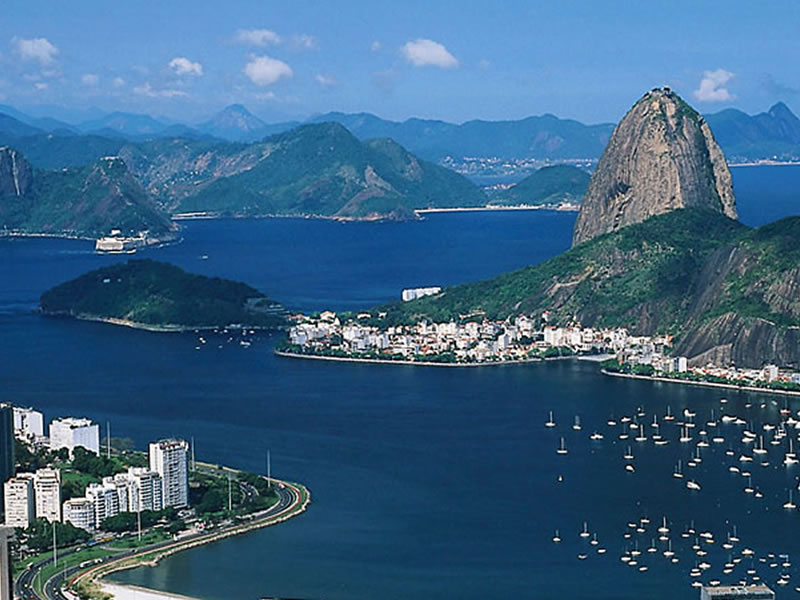
South America Property Markets
Property guides for Brazil, Colombia, Argentina and growing South American markets.
View Region

North America Property Markets
Explore US, Canada and Mexico property investment markets with guides and listings.
View Region

Central America Property Markets
Lifestyle and investment markets in Panama, Costa Rica and Belize.
View Region
Unlike more open markets, Cuba’s property environment is heavily influenced by tourism development zones, historic preservation areas, and state-guided urban planning. This creates a segmented structure where luxury hospitality assets, restored colonial buildings, and coastal resort developments dominate investor attention. As a result, the phrase Property For Sale in Cuba is increasingly associated with scarcity-driven opportunities rather than conventional residential turnover, reinforcing its appeal among international buyers seeking differentiated exposure.
Popular Residential Areas in Cuba
Residential demand in Cuba is highly concentrated in specific urban and coastal zones where infrastructure, tourism, and international engagement converge. The capital remains the most significant market driver, with Havana representing the centre of architectural heritage, diplomatic housing, and restored colonial property. Within Havana, districts such as Vedado, Miramar, and Old Havana define the upper tier of residential interest, particularly for boutique hospitality conversions and premium apartment living.
Beyond the capital, lifestyle and tourism markets play a critical role in shaping residential geography. Coastal destinations such as Varadero, Cayo Coco, and Trinidad each represent distinct buyer profiles, from resort investors to heritage restoration specialists. These locations form part of a broader network of investor-driven settlement patterns that extend beyond traditional residential demand and into tourism-aligned usage models.
Types of Property Available in Cuba
Cuba’s property stock is defined by a blend of colonial architecture, coastal resort developments, and emerging mixed-use investment assets. Residential options range from restored heritage apartments in historic districts to modern beachfront villas in tourism zones. The most sought-after assets include luxury villas in Cuba, which are typically located in exclusive coastal enclaves or restored diplomatic districts.
Additional property categories include waterfront homes, small-scale boutique hotels, land parcels for development, and tourism-linked commercial properties. The scarcity of free-market inventory elevates the importance of asset classification, where each property type carries distinct regulatory and usage implications. Investors often prioritise coastal and tourism-adjacent assets due to their alignment with rental and hospitality demand cycles.
Premium Market Segment in Cuba
The premium segment of the Cuban property market is concentrated in high-value coastal and heritage zones, where international demand intersects with limited supply. Varadero remains one of the most established resort markets, offering structured tourism infrastructure and consistent visitor flows. Meanwhile, boutique luxury developments and restored colonial estates in Havana continue to define the upper tier of residential and hospitality investment activity.
Waterfront assets represent a particularly strong category within this segment, especially where zoning allows for tourism or hospitality use. Properties aligned with waterfront property in Cuba benefit from premium valuation dynamics driven by scarcity, location exclusivity, and tourism demand. These assets are frequently targeted for boutique hotel conversion, short-term rental operations, or mixed-use redevelopment strategies.
Lifestyle in Cuba
Lifestyle appeal in Cuba is closely tied to its cultural heritage, coastal geography, and relaxed urban environments. Havana offers a vibrant mix of music, architecture, and historic streetscapes, while coastal towns provide a slower-paced, resort-oriented lifestyle. This duality creates a unique environment where urban cultural living and beachfront relaxation coexist within relatively short geographic distances.
In emerging lifestyle zones such as Trinidad and Cienfuegos, preserved colonial architecture and UNESCO heritage status enhance the experiential value of residential ownership. These areas attract buyers interested in boutique hospitality or lifestyle relocation opportunities, where property ownership is closely tied to cultural immersion rather than purely financial return.
Investment Potential in Cuba
Investment potential in Cuba is primarily driven by scarcity, tourism growth, and strategic redevelopment opportunities. The market is not characterised by open transactional volume but rather by selective access to high-value assets. As a result, investment property in Cuba is typically associated with hospitality conversion, boutique hotel development, and coastal tourism infrastructure.
International investors are increasingly focused on structured opportunities such as joint ventures, tourism-linked developments, and heritage restoration projects. High-performing segments often include beachfront hospitality assets and regulated resort zones, where occupancy demand is driven by international tourism flows. In addition, land banking opportunities in designated development areas continue to attract long-term strategic capital.
Property for sale in Cuba is therefore best understood as an entry point into a controlled but high-potential market structure, where timing, location, and asset type significantly influence returns. Investors seeking diversification within the Caribbean region often view Cuba as a complementary market to more open jurisdictions, particularly for hospitality-led portfolios.
Infrastructure and Accessibility in Cuba
Cuba’s infrastructure network is centred around Havana, which serves as the primary international gateway and administrative hub. José Martí International Airport connects the capital to key global destinations, while secondary airports support tourism flows into resort regions such as Varadero and Cayo Coco. Road and coastal transport infrastructure continues to improve in key tourism corridors, supporting increased accessibility to emerging investment zones.
From an investment perspective, infrastructure development is closely tied to tourism expansion and economic zone planning. Areas such as Mariel represent significant long-term infrastructure investment zones, particularly for logistics, manufacturing, and industrial real estate. These developments contribute indirectly to residential and commercial market stability by improving overall economic connectivity.
Why International Buyers Choose Cuba
International buyers are drawn to Cuba due to its combination of scarcity-driven real estate, cultural depth, and long-term tourism growth potential. The market offers exposure to assets that are not widely available in more liberalised jurisdictions, creating a unique positioning within global property portfolios. This includes heritage buildings in Havana, resort developments in Varadero, and boutique hospitality assets across coastal regions.
Access to structured guidance and market intelligence is essential, particularly for navigating regulatory frameworks and ownership structures. Resources such as how to buy property in Cuba provide critical context for international investors entering the market. Additionally, the availability of curated listings across property for sale in Cuba ensures buyers can identify opportunities aligned with their investment strategy.
Ultimately, Cuba’s appeal lies in its combination of controlled scarcity, tourism-led demand, and heritage-driven value creation. While not a conventional open market, it offers differentiated exposure within the Caribbean real estate landscape, particularly for investors seeking long-term positioning in culturally significant and tourism-oriented assets.
|
Official Area & Market Resources |
|
Cuba Property Markets
Explore real estate opportunities across Cuba, including residential, land, and investment properties in key growth areas.
- Property for Sale in Cuba – Browse houses, apartments, land, and investment properties across Cuba’s key markets including Paramaribo and surrounding districts.
|